Florentinė nuotykis: Giovanni da Milano gyvenimas ir kūryba
Giovanni da Milano – vardas, tyliai aidintis Protorenesanso meno parengose – atstovauja lūžio momentą itališkajame paveikslėstėje, tapus tiltu tarp elegantiško gotikos laikotarpio lirizmo ir pradinio naturalizmo, kuris vėliau apibrėžė Renesansą. Gimęs Lombardijoje apie 1346 m., Giovanni di Jacopo di Guido da Caversaccio savo meninę kelią daugiausia kūrė gyvybingoje Florencijos kultūros eroje, tuo metu, kai įvykdomi buvo didžiuliai pokyčiai ir inovacijos. Nors jo gyvenimas tragiškai sutrukdomas 1369 m., palikęs relatively nedidelią, tačiau itin įtakingą kūrybinį palikimą, Giovanni indėlis į itališkojo paveikslėstžio evoliuciją yra neabejingas. Pirmieji dokumentuoti jo pėdsakai pasimato 1346 m. spalio 17 d. florentiniškuose archyvuose, kur jis, kaip Johannes Jacobi de Commo, buvo įvardintas tarp Toskanijoje gyvenančių užsienio paveikslėsių – tai liudija apie magnetyką, kurią Florencija darė į kūrijus, ieškančius naujų galimybių ir klestinčios meninės aplinkos. Šis persikėlimas sugeria tyčinį siekį siekti pažangos, paliekant Lombardo kilmę, kad pasmerktų save visai naujai, meninės inovacijų epicentrui.
Džioton echos: stilius ir įtodiniai veiksmai
Giovanni da Milano stilius yra neatsiejamas nuo Džiotto di Bondone – revoliucionieriaus, kuris dešimtmečius prieš tai jau pradėjo laužyti viduramžių paveikslėstžio konvencijas. Tačiau jis nebuvo tik kopijuotojas; priešpriešiai jis įsisavino Džiotto inovacijas – dėmesį naturalistiškam vaizdavimui, emocinei išraiškai ir erdvės gylį – ir pritaikė jas per savo paties meninę jautrią. Jo paveikslai demonstruoja aiškią pastangas išeiti už stilizuotų figūrų ir plokščios perspektivos gotikos meno ribas, siekiant didesnio realizmo vaizduojant žmogaus formas ir perteikiant tikras emocijas per veido išraišką bei gestus. Šis siekis taip pat pasodinamas kruopščiai modeliuojant audinių riedulius, subtiliomis šviesos ir šešėlio nuances bei bendru svorio ir tūrio pojūčiu, kuris charakterizuoja jo figūras. Giovanni nedarbavo izoliuotas; jis bendravo su kitais to meto iškilę menininkais, įskaitant Giottino – paties Džiotto sūnų – bei Taddeo Gaddi sūnus, taip dar labiau susipažindamas su pažangiais meniniais požiūriais ir prisideddamas prie savo stiliaus vystymo. Šios bendradarbiavimo nuosavybės skatino dinamišką idėjų mainą, kuris suformavo jo unikalią viziją. Nors jis buvo giliai įkvėstas Džiotto, Giovanni taip pat atskleidžia sieniečių įtakos ženklų, ypač subtilaus spalvų naudojimo ir rafinuotų detalių, kas rodo platesnį susialaumą su įvairiaismeniniais sūkmenimis, cirkuliuojančiais visoje Italijoje.
Meistrybės šedevrai ir meninė paveldas
Nors jo karjera buvo trumpa, Giovanni da Milano paliko keletą svarbių darbų, kurie parodo jo evoliuciją ir techninį meistriškumę.
Ognissanti poliptikas, ypač jo šoniniai paneliai, saugomi Florencijos Uffizi galerijoje, yra pagrindinis jo brandaus kūrybos pavyzdys. Kruopštus dėmesys detalėms religiniame kontekste yra stulbinantis, demonstruojant jo gebėjimą šventybėms suteikti žmogaus orumo ir emocinio rezonanso pojūtį. Kiti pastebiminti darbai apima
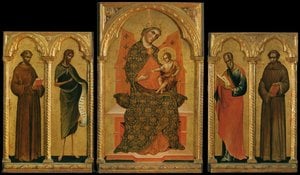
Madona su Dievo Vaiku ir Šylėtojais – nuostabų ankstyvojo Renesanso šedevrą, kuris pavyzdžiui demonstruoja naturalizmą ir surengimą milanieviškoje menėje, bei jautrų
Assisi Šv. Franciscaną, pasižymintį ramybės kompozicija, žemės tonais ir simboline galybe.
Draudos Dievo Motinos − Šventybės koronacija, aliejų paveikslas, rodantis sudėtingą detalį ir simbolinę grožį, dar tvirčia jo vietą to laikotarpio meninėje aplinkoje. Jo freskos Florencijos Santa Croce bažnyčios Rinuccini kapetijoje – ypaាច tie, kurie vaizduoja Švč. Mergelės ir Marija Magdalenos gyvenimo scenas – atskleidžia meistrišką pasakojimo kompozicijos ir išraiškingos figūracijos valdymą.
Perėjimo figūra
Giovanni da Milano istorinė reikšmė slypi jo vaidmenyje kaip kritinės perėjimo figūros Protorenesanse. Jis nebuvo revoliucionierius kaip Džiottas, tačiau meistriškai sujungė esamas menines tradicijas, subtiliai stumdamas ribas link didesnio naturalizmo ir emocinio gylio. Jis padėjo išklaidoti kelią vėlesniems Renesanso menininkams, demonstruodamas stebėjimo jėgą, žmogaus emocijų svarbą ir paveikslėstžio potencialą perteikti sudėtingus naratyvus. Jo kūryba įkūnija evoliucionę XIV amžiaus Italijos meno aplinką – laikotarpį, pažymėtą augančiu susidomėjimu klasikinia antिकता ir atnaujintu humanizmo akcentu bei palaipsnišku atsitarmu nuo griežtų viduramžių meno konvencijų. Nors jo gyvenimas buvo tragiškai trumpas, Giovanni da Milano palikimas išlieka kaip įrodymas meninės inovacijos galios ir neblėstančio grožio, tikėjimo bei žmogaus išraiškos patrauklumo. Jo paveikslai ir toliau užburia žiūrovus savo subtiliu eleganciškumu, emociniu intensyviu ir giliu dvasiniu rezonu, suteikdami žvilgsnį į lūžio momentą Vakarų meno istorijoje.
Daugiau apie menininką
- Sienos San Giovanni muziejus: Talpina įspūdingą kolekciją, įskaitant Giovanni da Milano darbus kartu su tokiais menininkais kaip Lorenzo Ghiberti ir Domenico di Pace Beccafumi.
- Metropolitan Museum of Art: Eksponuoja „Madoną su Dievo Vaiku ir Šylėtojais“, suteikdama įžvalgą į jo stilių ir techniką.
- Web Gallery of Art (WGA): Teikia išsamią biografiją ir prieigą prie skaitmeninių jo kūrybos darbų vaizdų.



 Peržiūrėti realaus dydžio版
 Perjungti į spausdinimą
 Siųsti
 Dalintis
 Išsamiau
 Gidas
Gidas

 Atsisiųsti
 Panašūs eksponatai
 Rentgeno spindulių nuotrauka
 Diaporama
 Statistika


 Rodyti daugiau






































 Stiklo variantas prieinamas tik pasirinkus dydį iki 110 cm