
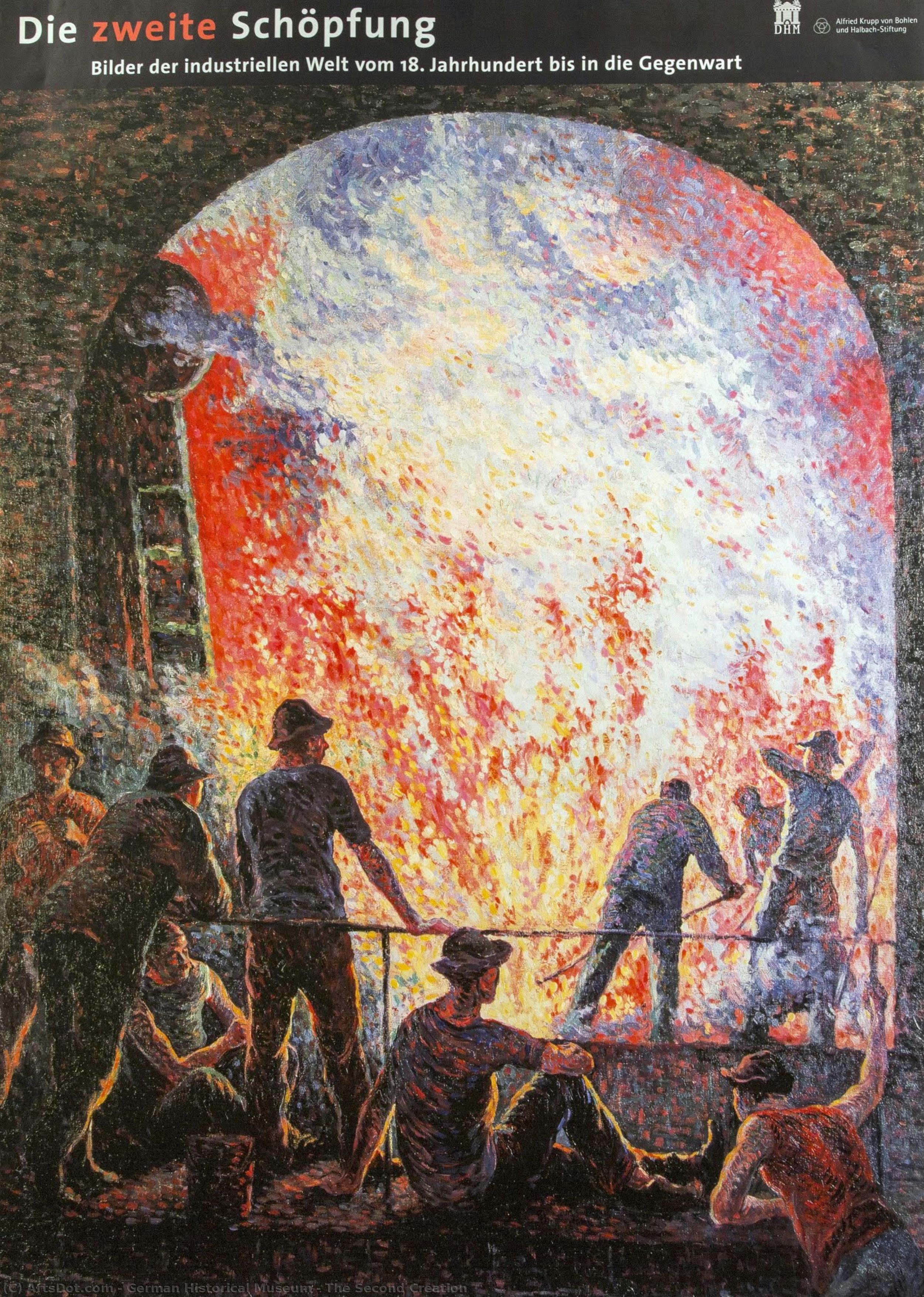
Šiame puslapyje rodomas meno kūrinys yra saugomas autorių teisių įstatymais, todėl neturime teisės legaliai kurti ar parduoti jo identiškos reprodukcijos. Ši apsauga užtikrinama remiantis tokiais tarptautiniais susitarimais kaip Bernės konvencija ir pagal nacionalines įstatymų nuostatas, įskaitant tas, kurias nurodo JAV autoriškos teisės įstatymas – 17-asis skyrius.
Šis metodas visiškai atitinka autorių teises, nes jame nėra saugomo kūrinio kopijavimo ar dubliavimo. Tai yra kūrybinė reinterpretacija – naujas paveikslas, kurį įkvėpė originalas, tačiau kuris nėra jo identiškas.
Muziejų lygio „giclée“ arba drobos spausdinimas: greita gamyba ir lankstios apdailos parinktys. ( Pirkti rankų darbo tapybą Perejti prie skaitmeninių vaizdų)
Pasirinkite iš mūsų nustatytų dydžių, atitinkančių originalaus meno kūrinio proporcijas.

Įveskite jums reikiamą plotį ir aukštį, kad atvaizdas derėtų prie jūsų rėmo ar sienos. Spausdiną galima tik sumažinti, bet nepadidinti virš originalaus paveikslėlio dydžio, todėl keičiant proporcijas, dalis vaizdo prarandama. Prieš spausdinimą atsiųsime jums skaitmeninį maketą patvirtinimui. Šioje puslapio nuotraukoje matomas pjūvis nėra tikslus – jį rodo tik maketas.
Pristatymas visame pasaulyje () per 2 weeks, o ne įprastas 4/5 savaičių laikotarpis. (16 lapkritis)
The Second Creation
Reprodukcijos matmenys

In the heart of Berlin, where the echoes of imperial grandeur meet the transparent promise of modernity, stands the Deutsches Historisches Museum (DHM). It is not merely a repository for relics but a living, breathing dialogue between the past and the present. Situated within the historic Zeughaus—a formidable 17th-century armoury that once pulsed with the military ambition of Prussia—the museum offers a profound architectural juxtaposition. Here, the heavy, weathered brickwork of the old world finds its counterpart in the luminous, contemporary additions designed by the visionary I. M. Pei, creating a space where history is not just stored, but actively interpreted.
The museum serves as a vital sanctuary for German and European identity, acting as a place of enlightenment and understanding. Its collections are meticulously integrated into three distinct museum areas, arranged in a chronological journey that allows visitors to trace the evolution of a nation. From the formidable arsenal of the Zeughaus to the specialized Museum für Deutsche Geschichte, every exhibit serves as a testimony to the complex, often tumultuous, shared history of Germans and Europeans. It is a site where the weight of tradition meets the clarity of modern scholarship.
To walk through the halls of the German Historical Museum is to navigate a landscape shaped by both conflict and reconstruction. The museum’s location on the Unter den Linden, just across the Spree from the legendary Museum Island, places it at the very epicenter of Berlin's cultural soul. The Zeughaus itself, once an arsenal for Prussian military might, provides a rugged, historical foundation that grounds the collection in the physical reality of power and defense. This historic structure is seamlessly connected to a modern exhibition hall, a feat of architectural brilliance that symbolizes the transition from a closed, imperial past to an open, democratic future.
The museum’s mission extends far beyond the mere display of objects; it seeks to foster a deeper connection to the shared heritage of a continent. Through its curated exhibitions, the DHM explores themes of:
The significance of the German Historical Museum lies in its ability to act as a bridge across time. By housing artifacts that range from medieval armaments to contemporary political documents, it provides the necessary context for understanding the modern world. The museum does not shy away from the difficult chapters of history; rather, it uses them as essential components of a larger narrative of resilience and change. It remains one of the most important and frequently visited institutions in Berlin, standing as a testament to the enduring power of historical memory.
As a cornerstone of Berlin's cultural landscape, the DHM continues to evolve, ensuring that the stories of the past remain relevant to the generations of the future. It remains a place where every artifact tells a story, and every visitor becomes a participant in the ongoing process of historical discovery.

Germany

Explore the cultural significance of fine art reproduction & its appeal to discerning collectors. Discover how reproductions enhance aesthetics, build collections, and signal status. Expert insights & museum-quality artistry.
 Peržiūrėti realaus dydžio版

 Pasidalinti
 Dalintis
 Išsamiau
 Vadovas


 Atsisiųsti
 Panašūs eksponatai
 Rentgeno spindulių nuotrauka
 Automatinė diorama
 问答

 Statistika


 Skaityti daugiau






































 Stiklo variantas prieinamas tik pasirinkus dydį iki 110 cm


