NEMOKAMA MENO KONSULTACIJA

x
Pirkti atspaudą Pirkti atspaudąPirkti skaitmeninį paveikslą Pirkti skaitmeninį paveikslą PasidalintiPasidalinti
IšsamiauIšsamiau Pridėti į mėgstamiausius Pridėti į mėgstamiausius AtsisiųstiAtsisiųsti Panašūs eksponataiPanašūs eksponatai Rentgeno nuotraukaRentgeno nuotrauka Automatinė dioramaAutomatinė diorama

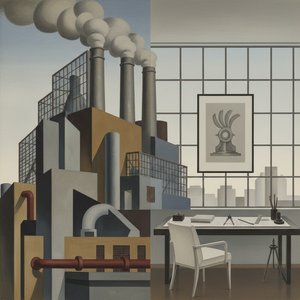
Elevators

Explore the abstract figure paintings & sculptures of Gerd Utescher (1912-1983), a German artist known for his evocative works from the Weimar era.

Rankų darbo aliejinės reprodukcijos

Rankiniu būdu tapytas aliejus ant droblio jūsų pageidaujamame dydį ir rėmuose – mūsų menininkų darbas pagal užsakymą.

Standard
custom
CM
INCH

Pasirinkite iš mūsų nustatytų dydžių, atitinkančių originalaus meno kūrinio proporcijas.

plotis
aukštis

Galite įvesti savo matmenis, kad jie atitiktų konkretų rėmą ar erdvę. Jei pasirinktas dydis neatitinka originalaus paveikslėlio proporcijų, mes arba apkropsime meno kūrinį, arba papildysime tapybą rankomis dažytい elementais. Prieš pradėdami gamybą, jūsų patvirtinimui atsiųsime skaitmeninį maketą.
Atkreipkite dėmesį, kad ekrane rodomas vaizdas neatspindi tikrojo apkarpymo ar papildymo. Tik maketas tiksliai parodys galutinę kompoziciją.
Nors galima rinktis ir individualius dydžius, rekomenduojame pasirinkti matmenis iš nustatytos sąrašo, kad būtų išlaikytos originalios proporcijos.

Ką galima pakeisti (pavyzdžiai): Pakeisti veidą į kliento nuotrauką; Pridėti augintinį (pvz., pakeisti katę šunimi); Įtraukti paslėptą žinutę fone; Pakeisti fono kraštovaizdį ar elementus.
Gavus užsakymą, WahooArt.com komanda susisieks su klientu el. paštu dėl instrukcijų ir pateiks maketo pavyzdį.

Pristatymas visame pasaulyje () per 3–4 savaites, o ne įprastai – per 5 savaites. (10 liepa). Kokybė lieka nepakeičiama.

why_choose_icon
Nemokamas greitasis pristatymas visame pasaulyje
why_choose_icon
Aukštos kokybės lininis drobė
why_choose_icon
Pilnas siuntimo draudimas
why_choose_icon
Muitinės mokesčių grąžinimo garantija
why_choose_icon
Tikro spalvų atitikimo garantija
why_choose_icon
60 dienų grąžinimo politika (tik esant gamyklinėms defektams)
why_choose_icon
100% pinigų grąžinimo garantija
why_choose_icon
Nuolaida už kelias reprodukcijas

Visų darbų kaina

-

reproduction

Elevators

Reprodukcijos technika

Reprodukcijos matmenys

-

Galutinė kaina

-

Kūrinio aprašymas

Gerd Utescher grew up in Germany during the Weimar era and studied drawing, graphics, and sculpture at Berlin’s Academy of Fine Arts. Upon his graduation in 1937, he designed and created interior architectural decorative elements and worked as an illustrator and stage designer. After moving to the United States in 1950, Utescher taught at the Philadelphia Museum of Art, the Pennsylvania Academy of the Fine Arts, the Settlement Music School, and the Allen’s Lane Art Center.During the 1960s Utescher received a number of commissions for public sculptural works in Philadelphia; by 1970 he began work on his People in Cities series, which included a group of evocative sculptures cast in bronze that focused on figures in claustrophobic architectural environments. Elevators is one of a number of elevator sculptures in the People in Cities series that Utescher executed while living in Italy with his new wife.

Autoriaus biografija

Gerd Utescher: Sculptor of the Weimar and Beyond

Born in Schwerin, Germany, in 1912, Gerd Utescher’s life was a testament to resilience and artistic evolution shaped by the tumultuous backdrop of the early 20th century. His childhood in Berlin during the Weimar Republic instilled within him a deep appreciation for both the dynamism and the anxieties of a nation grappling with profound social and political change. Initially drawn to law, Utescher’s path shifted dramatically when he discovered his true calling: the visual arts. He enrolled at the prestigious Berlin Academy of Fine Arts, where he honed his skills in drawing, graphics, and sculpture – disciplines that would ultimately define his unique artistic voice.

Utescher's early work was characterized by a fascination with the human figure, particularly its capacity for both strength and vulnerability. He quickly established himself as a sculptor of striking originality, moving beyond traditional representations to explore abstract forms imbued with emotional resonance. His figures weren’t merely static depictions; they were dynamic expressions of inner turmoil, reflecting the psychological landscape of his era. This exploration of the human condition became a central theme throughout his career.

The Influence of Weimar and Early Career

The artistic climate of the Weimar Republic profoundly influenced Utescher's development. The period’s experimental spirit, its embrace of abstraction, and its critical engagement with societal norms provided fertile ground for his creative explorations. He absorbed the ideas of Expressionism and early Abstraction, but ultimately forged a distinct style that combined powerful sculptural forms with evocative figuration. His work during this time often carried a sense of unease and introspection, mirroring the social unrest and uncertainty prevalent in Germany at the time.

Following World War II, Utescher’s career took an international turn. He married Ellen Rhret, whom he had met in Paris before the war, and in 1959, he settled permanently in Philadelphia, Pennsylvania. This move marked a significant shift, not only geographically but also stylistically. While retaining his core themes of human emotion and psychological depth, Utescher’s work began to incorporate elements of American Modernism, reflecting the influences of the vibrant art scene in Philadelphia.

Sculptural Innovation and Public Commissions

Utescher's sculptural practice was distinguished by a masterful command of materials – primarily bronze. He possessed an exceptional ability to capture movement and emotion within his static forms, utilizing subtle shifts in texture and surface detail to create a sense of dynamism. His figures often appear caught in moments of intense feeling, conveying a powerful narrative without resorting to overt symbolism.

Throughout his career, Utescher received numerous public commissions, demonstrating the recognition of his work’s enduring quality and its ability to resonate with audiences. Perhaps his most notable achievement was the creation of the Freedom Fountain near City Hall in Philadelphia – a monumental sculpture that stands as a testament to his skill and artistic vision. Other significant works include various memorials and public art installations across Pennsylvania, solidifying his place as a prominent figure in American sculpture.

A Legacy of Emotional Sculpture

Gerd Utescher’s career spanned seven decades, during which he consistently pushed the boundaries of sculptural expression. His work is characterized by its raw emotional intensity, its exploration of the human psyche, and its masterful technical execution. While rooted in the artistic traditions of his homeland, Utescher ultimately developed a uniquely personal style that continues to captivate viewers today.

His untimely death in 1983, during an accident at a tile factory in Italy while overseeing the casting of a bronze sculpture, marked the loss of a significant voice in contemporary art. However, his legacy endures through his powerful and enduring sculptures, which offer profound insights into the complexities of human experience.

Further Exploration

For more information about Gerd Utescher’s life and work, please consult these resources:

gerd utescher

gerd utescher

1912 - 1983 , Germany

Trumpa informacija

  • Artistic Movement Or Style: Abstract figure painting, Sculpture
  • Date Of Birth: 1912
  • Date Of Death: 1983
  • Full Name: Gerd Utescher
  • Nationality: German
  • Notable Artworks: ['Freedom Fountain']
  • Place Of Birth: Schwerin, Germany