


Šiame puslapyje rodomas meno kūrinys yra saugomas autorių teisių įstatymais, todėl neturime teisės legaliai kurti ar parduoti jo identiškos reprodukcijos. Ši apsauga užtikrinama remiantis tokiais tarptautiniais susitarimais kaip Bernės konvencija ir pagal nacionalines įstatymų nuostatas, įskaitant tas, kurias nurodo JAV autoriškos teisės įstatymas – 17-asis skyrius.
Šis metodas visiškai atitinka autorių teises, nes jame nėra saugomo kūrinio kopijavimo ar dubliavimo. Tai yra kūrybinė reinterpretacija – naujas paveikslas, kurį įkvėpė originalas, tačiau kuris nėra jo identiškas.
Muziejų lygio „giclée“ arba drobos spausdinimas: greita gamyba ir lankstios apdailos parinktys. ( Pirkti rankų darbo tapybą Perejti prie skaitmeninių vaizdų)





























Pasirinkite iš mūsų nustatytų dydžių, atitinkančių originalaus meno kūrinio proporcijas.

Įveskite jums reikiamą plotį ir aukštį, kad atvaizdas derėtų prie jūsų rėmo ar sienos. Spausdiną galima tik sumažinti, bet nepadidinti virš originalaus paveikslėlio dydžio, todėl keičiant proporcijas, dalis vaizdo prarandama. Prieš spausdinimą atsiųsime jums skaitmeninį maketą patvirtinimui. Šioje puslapio nuotraukoje matomas pjūvis nėra tikslus – jį rodo tik maketas.
Pristatymas visame pasaulyje () per 2 weeks, o ne įprastas 4/5 savaičių laikotarpis. (12 lapkritis)
Red Cannas
Reprodukcijos matmenys
Georgia O'Keeffe’s 1927 painting, “Red Cannas,” isn’t merely a depiction of a flower; it’s an immersion into a world of vibrant color, sensual curves, and intensely personal vision. This iconic work, currently residing at the Amon Carter Museum of American Art in Fort Worth, Texas, represents a pivotal moment in O'Keeffe’s artistic evolution – a shift toward abstraction that simultaneously celebrated the beauty of the natural world and explored the depths of her own emotional landscape. The painting captures a single red canna lily, dramatically enlarged and presented with an almost unsettling intimacy, demanding the viewer’s complete attention.
O'Keeffe’s approach to this subject was revolutionary for its time. Rather than striving for photographic realism, she employed bold brushstrokes and saturated hues – deep reds, vibrant yellows, and subtle pinks – to convey not just the appearance of the flower but also a sense of its underlying energy and form. The canvas itself becomes a stage for this botanical drama, with the lily dominating the composition while surrounding foliage is reduced to suggestive masses of color and texture. This technique was heavily influenced by Arthur Wesley Dow’s teachings on color theory and personal expression, which encouraged artists to prioritize feeling over strict representation.
The painting's power lies in its deliberate ambiguity. While undeniably a canna lily, the image transcends simple botanical illustration. O'Keeffe’s masterful use of overlapping petals, distorted perspectives, and carefully considered color relationships creates an effect that is both alluring and slightly unsettling. The downward-curving petal, almost like a closed mouth or a gently folded hand, has fueled decades of speculation about its symbolic meaning. Some critics interpreted it as a reference to female genitalia, a reading O'Keeffe vehemently denied, insisting she was simply capturing the essence of the flower’s form and her own deeply felt connection to it.
Regardless of the specific interpretation, “Red Cannas” speaks powerfully to themes of sensuality, beauty, and the artist’s intimate relationship with nature. O'Keeffe’s decision to isolate this single bloom – a common motif in her work – elevates it to an almost mythical status. The scale of the painting further emphasizes this sense of grandeur, drawing the viewer into a world where the ordinary becomes extraordinary.
Created during a period of intense artistic experimentation, “Red Cannas” reflects O'Keeffe’s growing independence as an artist. Following her move to New York in 1918 and her association with Alfred Stieglitz, she began to develop a unique style that challenged conventional notions of landscape painting. This work marked a departure from the more representational styles she had previously explored, signaling a shift toward abstraction and a greater emphasis on personal expression.
The painting’s influence extends far beyond the art world. Its bold colors and evocative imagery have been widely reproduced in posters, fabrics, and other decorative items, cementing its status as one of O'Keeffe’s most recognizable works. “Red Cannas” remains a testament to her extraordinary vision and her ability to transform the familiar into something profoundly beautiful and deeply resonant. It is a painting that continues to captivate viewers with its sensual intensity and enduring mystery.
Executed in oil on canvas, “Red Cannas” measures 36 1/8 x 30 1/8 inches. O’Keeffe's distinctive brushwork is immediately apparent – thick, layered strokes of color that build up to create a rich and textured surface. The careful layering of pigments creates an almost sculptural effect, giving the painting a tangible presence. When considering reproductions, it’s important to note the original’s vibrant palette; achieving accurate color reproduction can be challenging, but high-quality prints utilizing archival inks are crucial for capturing the painting's full impact.
„Red Cannas“ – Georgia O'Keeffe peržiūra galima kūrinio Peržiūra interjere puslapyje.
Pagrindinė „Red Cannas“ spalva – Brown (#a51717). Dominuojančia spalva padeda lengviau suderinti kūrinį su interjeru.
Rekomenduojamas naudojimas (Statement) ir erdvė (Living Room) – tai dvi rekomendacijos, nurodytos kūriniui „Red Cannas“ – Georgia O'Keeffe.


Elevate your collection with our expert guide to acquiring premium fine art reproductions. Discover the distinction between hand-painted oils and Giclée prints, master the art of bespoke commissions, and learn professional strategies for curating timeless, museum-quality interiors.

Step into a world of dreamlike beauty. Explore 10 iconic artworks that define the ethereal mood through masterful light, soft textures, and surrealist grace. Find inspiration for your decor with museum-quality reproductions. Discover all masterpieces on WahooArt.com.
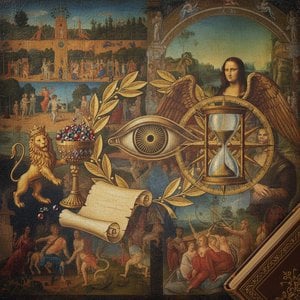
Embark on a scholarly journey through the hidden layers of art history. Discover how to decode celestial symbols, Art Nouveau allegories, and the profound visual metaphors embedded within the world's most celebrated masterpieces.
 Peržiūrėti realaus dydžio版
 Pasidalinti
 Dalintis
 Išsamiau
 Vadovas

 Atsisiųsti
 Panašūs eksponatai
 Rentgeno spindulių nuotrauka
 Automatinė diorama
 问答
问答
 Statistika


 Skaityti daugiau









 Stiklo variantas prieinamas tik pasirinkus dydį iki 110 cm


