


 Acrylic On CanvasWallArtPointillist Impressionism
 188419th Century
 15.0 x 24.0 cm
Muziejų lygio „giclée“ arba drobos spausdinimas: greita gamyba ir lankstios apdailos parinktys. ( Pirkti rankomis tapytą paveikslą Pirkti vaizdą)





























Pasirinkite iš mūsų nustatytų dydžių, atitinkančių originalaus meno kūrinio proporcijas.

Galite nurodyti savo matmenis, kad vaizdas atitiktų konkretų rėmą ar erdvę. Jei pasirinktas dydis nesutaps su originalaus paveikslėlio proporcijomis, mes arba apkirpsime kūrinį, arba išplėsime vaizdą naudojant veideliu atspindėtą arba vientisą šoną. Skaitmeninis maketas bus išsiųstas jums patvirtinti prieš pradedant gamybą.
Atkreipkite dėmesį, kad ekrane matomas vaizdinys neatspindi tikrojo apkirpimo ar išplėtimo. Tik maketas tiksliai parodytų galutinę kompoziciją.
Nors galima rinktis ir individualius dydžius, rekomenduojame pasirinkti vieną iš išanksti nustatytų matmenų, kad būtų išlaikytos originalios proporcijos.
Pristatymas visame pasaulyje () per 2 weeks, o ne įprastas 4/5 savaičių laikotarpis. (7 rugsėjis)


Seated figures
Reprodukcijos matmenys
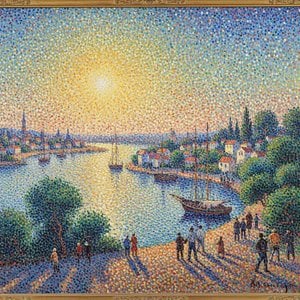
This exquisite hand-painted reproduction captures the essence of Georges Pierre Seurat’s revolutionary approach to painting, offering a serene glimpse into a pivotal moment in art history. The scene depicts a group of figures – a man seated thoughtfully near water, surrounded by companions – immersed in an atmosphere of quiet contemplation and connection with nature. The composition immediately draws the viewer into a world of subtle color harmonies and meticulously constructed detail, hallmarks of Seurat’s groundbreaking technique.
Created in 1884, “Seated Figures” exemplifies Seurat's pioneering work with Pointillism. Rejecting the Impressionists’ focus on fleeting impressions of light and color, Seurat sought a more scientific approach to painting, believing that color should be built up from tiny dots – points – of pure hue. This technique, developed through rigorous study of optics and color theory, aimed to create an illusion of depth and luminosity by stimulating the eye's ability to blend colors optically. The seemingly random arrangement of these small dots actually creates a remarkably vibrant and textured surface, shimmering with reflected light.
Beyond its technical brilliance, “Seated Figures” offers a subtle commentary on the burgeoning leisure culture of late 19th-century France. The scene depicts individuals enjoying a peaceful pastime – observing nature – a deliberate contrast to the increasingly industrialized and frenetic pace of urban life. The presence of the dog adds an element of domesticity and companionship, reinforcing the theme of shared enjoyment. Seurat’s work reflects the growing interest in psychology and the study of human experience, themes that would become central to modern art.
Seurat's meticulous approach imbues “Seated Figures” with a remarkable sense of stillness and tranquility. The careful construction of light and color creates an illusion of depth and atmosphere, inviting the viewer to step into the scene and share in the moment’s serenity. As a key figure in the transition from Impressionism to Post-Impressionism, Seurat's influence can be seen in the work of countless artists who followed. This reproduction offers not just a beautiful image but also a tangible connection to one of the most innovative and influential artistic movements of all time.


1859 - 1891 , Prancūzija
Embark on a sophisticated journey into the luminous world of Neo-Impressionism. Uncover the scientific brilliance of Pointillism, from Georges Seurat’s revolutionary color theory to the mesmerizing magic of the dot. An expert exploration for true art history enthusiasts.

Explore the scientific brilliance of Seurat and Signac. Discover how Pointillism revolutionized color through optical mixing and light, offering a profound look into the Neo-Impressionist movement for true art connoisseurs and collectors.
Discover the mesmerizing world of Pointillism. Explore the revolutionary techniques of Georges Seurat, the science of optical color mixing, and the enduring legacy of Neo-Impressionism in this expert guide for classical art enthusiasts.

Explore the vibrant evolution of Post-Impressionism. From Seurat's revolutionary Pointillism to the emotional depth of masters, discover how this movement redefined modern art history through color, structure, and unparalleled creative expression.

Explore the ethereal beauty of Impressionist landscapes. Discover how masters like Monet captured fleeting light through color and texture, and learn to curate these timeless, luminous masterpieces for your home collection.

 Peržiūrėti realybėje
 Pasidalinti
 Dalintis
 Išsamiau

 Atsisiųsti
 Panašūs eksponatai
 Rentgeno nuotrauka
 Automatinė diorama
 Skaityti daugiau







 Stiklo variantas prieinamas tik pasirinkus dydį iki 110 cm


