

Šiame puslapyje rodomas meno kūrinys yra saugomas autorių teisių įstatymais, todėl neturime teisės legaliai kurti ar parduoti jo identiškos reprodukcijos. Ši apsauga užtikrinama remiantis tokiais tarptautiniais susitarimais kaip Bernės konvencija ir pagal nacionalines įstatymų nuostatas, įskaitant tas, kurias nurodo JAV autoriškos teisės įstatymas – 17-asis skyrius.
Šis metodas visiškai atitinka autorių teises, nes jame nėra saugomo kūrinio kopijavimo ar dubliavimo. Tai yra kūrybinė reinterpretacija – naujas paveikslas, kurį įkvėpė originalas, tačiau kuris nėra jo identiškas.
Muziejų lygio „giclée“ arba drobos spausdinimas: greita gamyba ir lankstios apdailos parinktys. ( Pirkti rankų darbo tapybą Perejti prie skaitmeninių vaizdų)





























Pasirinkite iš mūsų nustatytų dydžių, atitinkančių originalaus meno kūrinio proporcijas.

Įveskite jums reikiamą plotį ir aukštį, kad atvaizdas derėtų prie jūsų rėmo ar sienos. Spausdiną galima tik sumažinti, bet nepadidinti virš originalaus paveikslėlio dydžio, todėl keičiant proporcijas, dalis vaizdo prarandama. Prieš spausdinimą atsiųsime jums skaitmeninį maketą patvirtinimui. Šioje puslapio nuotraukoje matomas pjūvis nėra tikslus – jį rodo tik maketas.
Pristatymas visame pasaulyje () per 2 weeks, o ne įprastas 4/5 savaičių laikotarpis. (8 lapkritis)
Tea and Grape
Reprodukcijos matmenys
Georges Braque's "Tea and Grape," painted around 1950, isn’t merely a depiction of fruit; it’s a carefully constructed meditation on form, color, and the subtle beauty of everyday objects. This work, rendered in an exquisite color etching and aquatint by Lacourières in Paris, exemplifies Braque's shift towards a more organic and less fractured approach to Cubism during his later years. It represents a departure from the geometric deconstruction that defined his early collaborations with Pablo Picasso, embracing instead a richer, more sensual palette and a heightened sense of spatial depth.
The composition is deceptively simple: a bowl overflowing with grapes, two apples nestled amongst them, a table draped in a subtly textured surface, and a chair providing a grounding element. Yet, within this apparent stillness lies a dynamic interplay of shapes and planes. Braque masterfully employs the techniques of etching and aquatint to create a remarkable range of tonal values – from deep blacks that suggest the shadows cast by the bowl and table to luminous whites that highlight the glistening grapes. The paper itself, Arches wove, contributes to the work’s luxurious quality, its fine texture enhancing the delicate details of the fruit and the subtle variations in color.
While rooted in the principles of Cubism – the fragmentation of objects into geometric forms and their subsequent reassembly from multiple viewpoints – “Tea and Grape” moves beyond the purely analytical. Braque’s approach here is less about dissecting reality and more about capturing its essence. The bowl, table, and chair are not rendered as sharply defined entities but rather as overlapping planes that subtly suggest their three-dimensional presence. This creates a sense of ambiguity, inviting the viewer to actively participate in constructing the image.
The influence of Paul Cézanne is palpable in Braque’s use of perspective and his emphasis on the underlying structure of objects. Like Cézanne before him, Braque seeks to represent not just what an object *looks* like but also how it *exists* in space. The careful arrangement of the fruit within the bowl, the way light falls across the table surface – all contribute to a feeling of quiet observation and contemplative beauty.
The choice of subject matter itself is significant. A still life—a commonplace scene—becomes imbued with a profound sense of stillness and serenity. The grapes, symbols of abundance and fertility, are presented in their full ripeness, inviting the viewer to savor their beauty. The apples, often associated with knowledge and temptation, add a layer of complexity to the composition. The overall effect is one of understated elegance and quiet contemplation.
“Tea and Grape” isn’t a vibrant or overtly dramatic work; its power lies in its restraint and subtlety. It's an invitation to slow down, to appreciate the simple pleasures of life, and to find beauty in the ordinary. Braque’s masterful control of line, tone, and texture creates a deeply affecting image that speaks to our shared human experience.
Reproductions of “Tea and Grape” offer an exceptional opportunity to bring this iconic work into your home or office. WahooArt's hand-painted reproductions meticulously capture the nuances of Braque’s original technique, ensuring that you receive a faithful representation of this remarkable piece. The rich colors, delicate textures, and subtle tonal variations are faithfully reproduced, allowing you to experience the full emotional impact of the artwork. Whether as a statement piece in a modern interior or a charming addition to a traditional setting, “Tea and Grape” is sure to be a treasured possession for years to come.
Žoržas Brakas kūrybos enceklopedijoje kūrinys „Tea and Grape“ priskiriamas Mature Period laikotarpiui. Šis etapas leidžia palyginti jį su kitais šio autoriaus kūriniais.
Perceptinio ryškumo prasme, „Tea and Grape“ – Žoržas Brakas yra shadow.
„Tea and Grape“ galima įsigyti kaip aukščiausios kokybės spausdinys ant medžio siuvinėjamų audinių arba archyvinio kanvas tipo popieriaus. Užsakymus galite pateikti Kūrinio spausdinimas aukščiausia kokybe puslapyje, pasirinkdami jūsų pageidaujamą dydį.

Georges Braque, gimęs Argenteuil mieste Francijoje 1882 metais, įvykdė kelionę į meno pasaulį, kurią iš tikrųjų simbolizavo XX amžiaus meno vystymosi kraštovaizdis. Jo vaikystė šeimoje, kurioje veikė namų dažytojai ir dekoratorių meistrai, ne tik suteikė jam praktinę meistriškumą medžiagoms, bet ir ankstyvą įvertinimą formasiai ir struktūrai. Nepaisant pradėti vykti savo tėvo keliu, Braque’s šlovingos kūrybinės instinkcijos greitai vedė jį į akademinę mokslą Argenteuil mieste Francijoje 1882 metais.
Pervažiuodamas Paryžiui 1902 metais, Braque tęsė savo studijas Humberto akademijoje, prisijungdamas prie Paryžiaus meno gyvenimo šlovingos aplinkos. Čia jis susitikęs su artistas Marie Laurencin ir Francis Picabia, kuriuos įvykdė šlovingą kūrybinę instinkciją Francijoje 1882 metais.
Braque’s pasirinkimas fauvistinių principų – išraiškos spalvos ir emocijų – yra įvykdė šlovingą kūrybinę instinkciją Francijoje 1882 metais. Šis laikotarpis buvo pažymiškas eksperimentais su spalvomis Paryžiui 1902 metais.
Švietimo akademijoje Humberto Paryžiui 1902 metais, Braque tęsė savo studijas Paryžiaus meno gyvenimo šlovingą aplinkos. Čia jis susitikęs su artistas Marie Laurencin ir Francis Picabia, kuriuos įvykdė šlovingą kūrybinę instinkciją Francijoje 1882 metais.
Švietimo akademijoje Humberto Paryžiui 1902 metais, Braque tęsė savo studijas Paryžiaus meno gyvenimo šlovingą aplinkos. Čia jis susitikęs su artistas Marie Laurencin ir Francis Picabia, kuriuos įvykdė šlovingą kūrybinę instinkciją Francijoje 1882 metais.
Švietimo akademijoje Humberto Paryžiui 1902 metais, Braque tęsė savo studijas Paryžiaus meno gyvenimo šlovingą aplinkos. Čia jis susitikęs su artistas Marie Laurencin ir Francis Picabia, kuriuos įvykdė šlovingą kūrybinę instinkciją Francijoje 1882 metais.
Švietimo akademijoje Humberto Paryžiui 1902 metais, Braque tęsė savo studijas Paryžiaus meno gyvenimo šlovingą aplinkos. Čia jis susitikęs su artistas Marie Laurencin ir Francis Picabia, kuriuos įvykdė šlovingą kūrybinę instinkciją Francijoje 1882 metais.
Švietimo akademijoje Humberto Paryžiui 1902 metais, Braque tęsė savo studijas Paryžiaus meno gyvenimo šlovingą aplinkos. Čia jis susitikęs su artistas Marie Laurencin ir Francis Picabia, kuriuos įvykdė šlovingą kūrybinę instinkciją Francijoje 1882 metais.

1882 - 1963 , Prancūzija

Explore the profound beauty of fruit arrangement masterpieces. From Dutch Golden Age opulence to Baroque chiaroscuro, discover the art history, symbolism, and timeless elegance of classical still life paintings for the discerning collector.
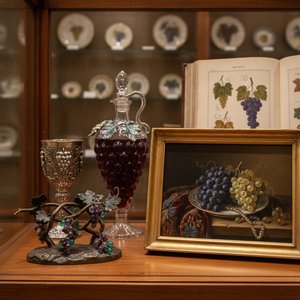
Embark on a visual journey through the world's most exquisite grape-themed masterpieces. Discover the technical brilliance of Baroque masters and learn how to curate timeless, hand-painted oil reproductions for your luxury collection with WahooArt.com.

Discover the profound legacy of Georges Braque. Our expert guide explores the evolution of Cubism, from Analytic deconstruction to Synthetic innovation, offering deep insights for discerning art collectors and connoisseurs of modern masterpieces.

Explore the profound evolution of Cubist still life, from Cézanne's structural foundations to the fragmented brilliance of Braque and Léger. Discover how geometric abstraction redefined reality through a sophisticated lens of form, color, and modern artistic mastery.
 Peržiūrėti realaus dydžio版
 Pasidalinti
 Dalintis
 Išsamiau
 Vadovas

 Atsisiųsti
 Panašūs eksponatai
 Rentgeno spindulių nuotrauka
 Automatinė diorama
 问答
问答
 Statistika
 Skaityti daugiau









 Stiklo variantas prieinamas tik pasirinkus dydį iki 110 cm


