


Muziejų lygio „giclée“ arba drobos spausdinimas: greita gamyba ir lankstios apdailos parinktys. ( Pirkti rankų darbo tapybą Perejti prie skaitmeninių vaizdų)





























Pasirinkite iš mūsų nustatytų dydžių, atitinkančių originalaus meno kūrinio proporcijas.

Įveskite jums reikiamą plotį ir aukštį, kad atvaizdas derėtų prie jūsų rėmo ar sienos. Spausdiną galima tik sumažinti, bet nepadidinti virš originalaus paveikslėlio dydžio, todėl keičiant proporcijas, dalis vaizdo prarandama. Prieš spausdinimą atsiųsime jums skaitmeninį maketą patvirtinimui. Šioje puslapio nuotraukoje matomas pjūvis nėra tikslus – jį rodo tik maketas.
Pristatymas visame pasaulyje () per 2 weeks, o ne įprastas 4/5 savaičių laikotarpis. (8 lapkritis)
John Satterthwaite
Reprodukcijos matmenys
George Romney’s “John Satterthwaite,” painted in 1780, is more than just a likeness; it's a carefully constructed tableau of Georgian society and the burgeoning ideals of portraiture. Executed in the Rococo style – a period characterized by its elegance, grace, and emphasis on decorative detail – the painting offers a glimpse into the life of a gentleman of considerable standing within Lancaster’s social circles. Romney, already establishing himself as one of London's most sought-after artists, masterfully captures not only Satterthwaite’s physical appearance but also an underlying sense of composure and quiet authority.
The composition itself is remarkably restrained. Satterthwaite sits in a simple, dark armchair against a stark black wall, a deliberate choice that draws the viewer's attention entirely to his figure. His posture is upright, suggesting self-assurance and respectability – hallmarks of the era’s social norms. The lighting, expertly rendered by Romney, highlights the textures of his clothing: the rich velvet of his jacket, the subtle sheen of his waistcoat, and the delicate folds of his cravat. These details speak to both his wealth and his attention to detail, reflecting a man who valued appearances and status.
Romney's technique is immediately recognizable – a blend of meticulous observation and expressive brushwork. He employs a loose, almost impressionistic approach to capturing light and shadow, creating a sense of depth and volume that belies the painting’s relatively small scale (70 x 50 cm). Note the subtle variations in tone across his face, particularly around the eyes and mouth, conveying a hint of intelligence and perhaps even melancholy. The artist's use of color is restrained yet effective; the deep reds and browns of Satterthwaite’s attire are offset by the cool tones of the background, creating a harmonious balance.
The painting firmly resides within the Rococo tradition, which flourished in Europe during the 18th century. Characterized by its emphasis on beauty, pleasure, and intimacy, Rococo art often depicted scenes of leisure, mythology, and aristocratic life. Romney’s “John Satterthwaite” embodies these principles perfectly, offering a refined portrait that celebrates the virtues of Georgian society. The inclusion of elements like the dark background – a common device in portraits of this period – served not only to highlight the subject but also to evoke a sense of formality and gravitas.
Beyond its aesthetic qualities, “John Satterthwaite” is rich in symbolic meaning. The gentleman’s attire—the velvet jacket, the lace cravat—are indicators of his social standing and wealth. His gaze, directed directly at the viewer, establishes a connection and invites engagement. The painting was created during a period of significant social and political change in Britain – the aftermath of the American Revolution and the rise of Enlightenment ideals. Portraits like this one served as powerful tools for asserting status, reinforcing social hierarchies, and documenting an individual’s place within the established order.
Interestingly, research reveals that John Satterthwaite was a prominent figure in Lancaster's legal community during the late 18th century. The painting likely served to commemorate his position and influence within the local society. Further investigation into the artist, George Romney, unveils a fascinating career marked by both success and personal struggles – including a brief marriage and eventual relocation to London. His ability to capture the essence of his subjects, as evidenced in “John Satterthwaite,” cemented his reputation as one of the era’s most celebrated portrait painters.
Today, "John Satterthwaite" resides at the Judges' Lodgings in Lancaster, a testament to its enduring artistic value. High-quality reproductions offer an accessible way to appreciate Romney’s skill and vision. When commissioning a hand-painted reproduction, consider the scale and materials carefully – ensuring that the final product faithfully captures the painting’s original atmosphere and detail. The rich textures, subtle lighting, and dignified composition of this portrait will undoubtedly add a touch of timeless elegance to any interior space.
„John Satterthwaite“ diapora prieinama puslapio Slaydšou kūrinio apžvalgos skiltyje.
Rankumų „John Satterthwaite“ – Džordžas Romisas rankumų kopijos yra parduodamos ši ši internetinė svetainė svetainėje: rankomis dažyta aliejaus reprodukcija ant lininio drobos, užsakomos per jos Rankų darbo aliejinis reprodukcija puslapį.
„John Satterthwaite“ kūrybinį darbą sukūrė Džordžas Romisas. Šioje puslapio informacijoje aprašomas Džordžas Romisas originalus kūrinys.


1734 - 1802 , Didžioji Britanija

Immerse yourself in the splendor of Rococo art. Discover the era of elegance through masterworks by Watteau and Fragonard. Explore themes of romance, aristocratic leisure, and gilded ornamentation in this definitive guide to 18th-century French opulence.

Discover the breathtaking elegance of Rococo portraiture. Explore an expert guide to 18th-century mastery, from pastel palettes to aristocratic grandeur, and learn how to bring this era of opulence into your home through museum-quality oil reproductions.
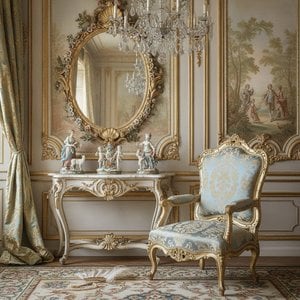
Discover the exquisite allure of Rococo art. Explore a curated guide to 18th-century French masterpieces, from Watteau to Fragonard, and learn how hand-painted oil reproductions can bring timeless elegance and luxury to your sophisticated interior design collection.
 Peržiūrėti realaus dydžio版
 Pasidalinti
 Dalintis
 Išsamiau
 Vadovas

 Atsisiųsti
 Panašūs eksponatai
 Rentgeno spindulių nuotrauka
 Automatinė diorama
 问答
问答
 Statistika


 Skaityti daugiau









 Stiklo variantas prieinamas tik pasirinkus dydį iki 110 cm


