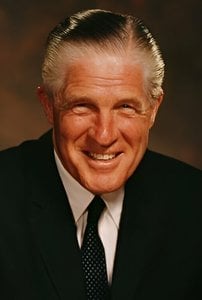
Autoriaus biografija
A Life in Portraiture: The Šiuolaikinė Menų Kultūra
George Romney (1734–1802) išsikėlė į šlovę kaip vienas iš žymiausiųjų britiškių portretinių meistrų savo laikštėje. Jo kelias nuo kambarinio meistro sūnaus iki aukščiausiosios Britanijos aristokratijos favoritas yra įtraukiantis istorijų ciklas apie gimtą talentą ir nepriekaištingą ambiciją. Ankstyvieji gyvenimai beveik nesuteikė įspūdžių apie meno kelią, kurį jis pasirinko; pradžioje jis buvo mokomas savo tėvo, tačiau švietimo įvairovė ir iš tikrųjų įsikėlęs žvilkus į piešimą buvo Christopher Steele, vietinis portretininkas, kuris studijavo Paryžiui. Šis mokymasis buvo reikšminės svarbos Romney švietimui ir pirmą kartą susipažinti su europiečių meno tradicijomis. Jis greitai pranoko savo meistrą, įrodančiu iškilusią talentą, kuris reikalavo dar daugiau ugdymosi. Šiek tiek nesėkmės santuokos ir paskui jų nutrūksta buvo Romano įvardijama Londone 1762 metais – miestą kuprinią galimybėmis, tačiau taip pat stiprią konkurenciją.
Šiuolaikinė Menų Kultūra: Stilistinė Švietimo Evolucija
Londonas tapo Romney kūrybinės veiklos šaltiniu. Jis greitai įsitvirtino kaip išskirtinis portretininkas, iššūkiant Dominaciją Thomas Gainsborough ir Sir Joshua Reynolds. Nepaisant to, kad jis niekada siekė narystės Karalienei Akademijai – sprendimas, kuris galbūt ribojo jo aksesą prie kai kurių finansavimo šaltinių – jo pasiekimai buvo nepriekaištingi. Romney stilius vystėsi per laiką, pirmą kartą atspindi Steele įtaką ir Paryžiaus mokymąsi, tačiau greitai išsiskleidė į kažką visiškai savo. Jis turėjo išskirtinę gebėjimą užfiksuoti ne tik panašumą, bet ir asmenybę ir visuomenės statusą savo modelių. Jo portraičiai yra pagrindžiami elegantiškais pozomis, sutartu šviesos ir šešėlė naudojimu ir subtilia psichologinė išmokslavimų įvairovė, kuri išskiria jį iš kitų. Romney techniką buvo žymėta delikatės maniera ir mėgstamu linijų srautą, dažnai įkvėpusi klasikinius skulptūras. Jis įvaldė spalvą perteikti tekstūrą ir gilumą, sukuriant portraitus, kurie yra tiek vizualiai įtraukianti tiek emocinį švietimą. Jo gebėjimas pagirti savo modelius išsaugodamas kūrybinę integritetą pelnė jam lojalizmą elitinio klientų grupės nariu. Jis suprato spalvų galią, įvardinant jų reikšmę kaip svarbią šiuolaikinės meno kultūros dalį. Jo gebėjimas išnaudoti švietimą ir šešėlį buvo labai svarbus jo kūrybai vystymuisi.
Emma Hamilton: Šiuolaikinė Menų Kultūra Ir Romantinis Įkvėpimas
Romney gyvenimo dramą sukėlė susitikimas su Emma Hart, kuri vėliau tapo Lady Hamilton, kai jis pirmą kartą susipažino jos su įvykių metais 1782 metais. Ji ne tik buvo jo pagrindinė modelė, bet ir šiuolaikinė menų kultūros įkvėpimas, stipriai įtakojo jo kūrybinį darbą. Emma grožio, inteligencijos ir teatro žvilgsnio įvairovė įtraukė Romney į švietimą, įkvepiant jam seriją portraitų, kurie išraiškavo temas klasikinei mitologijai, draminei istorijai ir moteriškam grazui. Jis piešė ją įvairiomis pozicijomis – kaip spūdinę, kaip tragediją Šekspiro *Tempestas* veikėją ir daugybę alegorinių scenų, kuriose išraiškėjo jos ekspresijos diapazoną. Štai rezultatas Romney kūrybinės veiklos švietimui – įtraukiantis žvilgsčius į pasaulio istoriją ir kultūrą. Jo gebėjimas įvaldyti švietimą buvo labai svarbus jo kūrybai vystymuisi. Jis išnaudojo švietimą ir šešėlį kaip būdą perteikti emocijas ir įvairovę, kurią įkvėpė romantinis žvilgsčius į pasaulio istoriją. Štai rezultatas Romney kūrybinės veiklos švietimui – įtraukiantis žvilgsčius į pasaulio istoriją ir kultūrą.
Šiuolaikinė Menų Kultūra: Romantizmas Ir Jo Įtakos Šaltiniai
Romney gyvenimo dramą sukėlė susitikimas su Emma Hart, kuri vėliau tapo Lady Hamilton, kai jis pirmą kartą susipažino jos su įvykių metais 1782 metais. Ji ne tik buvo jo pagrindinė modelė, bet ir šiuolaikinė menų kultūros įkvėpimas, stipriai įtakojo jo kūrybinį darbą. Emma grožio, inteligencijos ir teatro žvilgsnio įvairovė įtraukė Romney į švietimą, įkvepiant jam seriją portraitų, kurie išraiškavo temas klasikinei mitologijai, draminei istorijai ir moteriškam grazui. Jis piešė ją įvairiomis pozicijomis – kaip spūdinę, kaip tragediją Šekspiro *Tempestas* veikėją ir daugybę alegorinių scenų, kuriuose išraiškėjo jos ekspresijos diapazoną. Štai rezultatas Romney kūrybinės veiklos švietimui – įtraukiantis žvilgsčius į pasaulio istoriją ir kultūrą. Jo gebėjimas įvaldyti švietimą buvo labai svarbus jo kūrybai vystymuisi. Jis išnaudojo švietimą ir šešėlį kaip būdą perteikti emocijas ir įvairovę, kurią įkvėpė romantinis žvilgsčius į pasaulio istoriją. Štai rezultatas Romney kūrybinės veiklos švietimui – įtraukiantis žvilgsčius į pasaulio istoriją ir kultūrą. Jo gebėjimas įvaldyti švietimą buvo labai svarbus jo kūrybai vystymuisi. Jis išnaudojo švietimą ir šešėlį kaip būdą perteikti emocijas ir įvairovę, kurią įkvėpė romantinis žvilgsčius į pasaulio istoriją. Štai rezultatas Romney kūrybinės veiklos švietimui – įtraukiantis žvilgsčius į pasaulio istoriją ir kultūrą. Jo gebėjimas įvaldyti švietimą buvo labai svarbus jo kūrybai vystymuisi. Jis išnaudojo švietimą ir šešėlį kaip būdą perteikti emocijas ir įvairovę, kurią įkvėpė romantinis žvilgsčius į pasaulio istoriją. Štai rezultatas Romney kūrybinės veiklos švietimui – įtraukiantis žvilgsčius į pasaulio istoriją ir kultūrą. Jo gebėjimas įvaldyti švietimą buvo labai svarbus jo kūrybai vystymuisi. Jis išnaudojo švietimą ir šešėlį kaip būdą perteikti emocijas ir įvairovę, kurią įkvėpė romantinis žvilgsčius į pasaulio istoriją. Štai rezultatas Romney kūrybinės veiklos švietimui – įtraukiantis žvilgsčius į pasaulio istoriją ir kultūrą. Jo gebėjimas įvaldyti švietimą buvo labai svarbus jo kūrybai vystymuisi. Jis išnaudojo švietimą ir šešėlį kaip būdą perteikti emocijas ir įvairovę, kurią įkvėpė romantinis žvilgsčius į pasaulio istoriją. Štai rezultatas Romney kūrybinės veiklos švietimui – įtraukiantis žvilgsčius į pasaulio istoriją ir kultūrą. Jo gebėjimas įvaldyti švietimą buvo labai svarbus jo kūrybai vystymuisi. Jis išnaudojo švietimą ir šešėlį kaip būdą perteikti emocijas ir įvairovę, kurią įkvėpė romantinis žvilgsčius į pasaulio istoriją. Štai rezultatas Romney kūrybinės veik



 Peržiūrėti realaus dydžio版
 Perjungti į spausdinimą
 Siųsti
 Dalintis
 Išsamiau
 Gidas
Gidas

 Atsisiųsti
 Panašūs eksponatai
 Rentgeno spindulių nuotrauka
 Diaporama
 Statistika


 Rodyti daugiau






































 Stiklo variantas prieinamas tik pasirinkus dydį iki 110 cm