George Catlin: Amerikos Vakarų Indėnų Kultūros Vaizdų Išlikimo Siekis
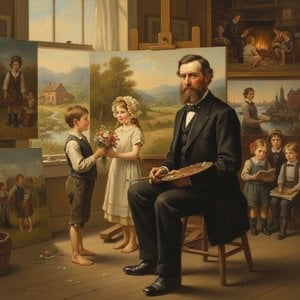
George Catlin, gimęs 1796 m. Wilkesbarre, Pensilvanijoje, buvo neeilinis žmogus – teisininkas, tapytojas, rašytojas ir keliautojas, kurio gyvenimas pasišventė Šiaurės Amerikos indėnų kultūros įamžinimui. Jo motina, Polly Sutton, patyrusi indėnų apiplėšimą dar vaikystėje, perdavė sūnui aistrą Vakarų kraštams ir jų gyventojams. Nors iš pradžių mokytas teisės, Catlin atrado savo tikrąją pašaukimą ne teismo salėje, o ant drobės – bandydamas sugauti greitai nykančio gyvenimo esmę. Apleidęs advokato karjerą, jis imėsi ambicingo projekto: sukelti „Indėnų galeriją“, daugiau kaip 500 paveikslų rinkinį, skirtą indėnų gyvenimui ir kultūrai atvaizduoti. Šis sprendimas nebuvo tik estetinis susidomėjimas; tai buvo skubus siekis išsaugoti tradicijas, kurioms grėsė sunaikinimas dėl Vakarų ekspansijos. Ankstyvieji jo darbai, pavyzdžiui, gravūrai, vaizduojantys Erio kanalą, parodė techninį meistriškumą ir detalesnį požiūrį – savybes, kurios vėliau tapo jo didžiausių projektų požymiais.
Kelionės ir „Indėnų Galerija“: Kultūros Dokumentavimas
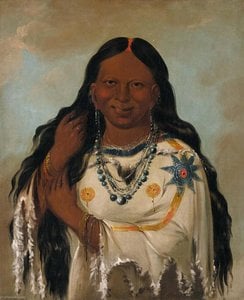
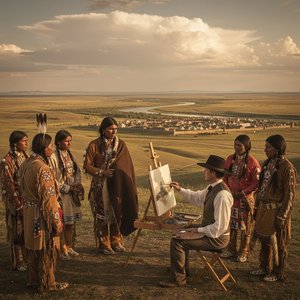
Catlinas penkis kartus keliavo į Amerikos Vakarus, plaukiant Misurio upe ir užsukant į tokių genčių kaip Mandanai, Siuksiai, Blackfeet ir Choctaw teritorijas. Jis nebuvo tik stebėtojas; Catlinas pasinėrė į šias bendruomenes, dalyvavo apeigose, stebėjo kasdienį gyvenimą ir užmezgė ryšius su genčių lyderiais. Jo paveikslai išsiskiria realizmu ir sodriomis spalvomis, ne tik atvaizduodami fizinius panašumus, bet ir perteikdami orumą bei indėnų papročių sudėtingumą. Pavyzdžiui,
Šokio su erdvėmis, Choctaw – dinamiškas tradicinio žaidimo vaizdas, kuriame parodoma sportiškumas ir bendruomenės dvasia. Panašiai jo portretas
Mó-sho-la-túb-bee, Jis Kas Išmeta Ir Nukaldo, Gentyje Vyriausiasis atskleidžia stiprų lyderį su nepralaidžiu žvilgsniu, perteikdamą autoritetą ir išmintį. Catlinas siekė pavaizduoti indėnus ne kaip barbarus, bet kaip individus turinčius turtingas kultūrines tradicijas ir sudėtingas socialines struktūras, paneigdamas tuo metu vyravusius įsitikinimus.
Iššūkiai ir Pripažinimas: Gyvenimas Skirtas Išsaugojimui
Nepaisant „Indėnų galerijos“ meninės vertės ir istorinio reikšmingumo, Catlinas susidūrė su dideliais iššūkiais siekdamas pripažinimo ir finansinės paramos savo darbams. Jis svajojo perduoti kolekciją JAV vyriausybei, tikėdamasis, kad ji bus išsaugota kaip nacionalinis lobis, tačiau jo pradiniai pasiūlymai buvo atsisakyta. Nesustojęs, jis surengė parodas didžiausiose Amerikos ir Europos šalyse – Londone, Paryžiuje ir Briuselyje. Šios parodos sulaukė didelio dėmesio, pristatydamos pasauliui pasaulį, kurį anksčiau žinojo tik iš antrarankės informacijos. Catlinas taip pat paskelbė kelias knygas, kuriose aprašė savo keliones ir stebėjimus, įskaitant
Manners, Customs, and Condition of the North American Indians (1841) ir
Last Rambles Amongst the Indians of the Rocky Mountains and the Andes (1868), dar labiau patvirtindamas savo reputaciją kaip pirmaujantis ekspertas indėnų kultūros klausimais. Tačiau finansinės sunkumai vis apėmė jį per visą gyvenimą.
Palikimas ir Istorinė Reikšmė
George Catlinas mirė 1872 m., palikęs palikimą, kuris iki šiol skamba aktualiai. Nors jo darbai nebuvo visiškai įvertinti jo gyvavimo metu, jie dabar pripažįstami kaip nepriežastingas istorinis indėnų gyvenimo prieš Vakarų ekspansiją dokumentas. Jo paveikslai leidžia pažvelgti į kultūras, kurios dažnai buvo klaidingai pavaizduotos arba pamirštos pagrindiniuose naratyvuose.
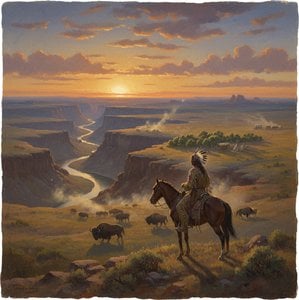
Manojo pievos degimas su dramatišku vaizdu valdomo deginimo ir jame vykstančių raitelių užfiksuoja ne tik kraštovaizdį, bet ir glaudžius ryšius tarp indėnų ir jų aplinkos.
Pipestone Quarry, Coteau Des Prairies iliustruoja šventosios vietos dvasinę reikšmę daugeliui genčių. Catlino kruopštus dokumentavimas suteikia įžvalgų apie genčių papročius, socialines struktūras, religinius tikėjimus ir menines tradicijas – informaciją, kuri būtų prarasta istorijoje be jo atsidavimo pastangų. Jo darbai yra galingas priminimas apie kultūros išsaugojimo svarbą ir poreikį keisti įsitikinimus dėl indėnų tautų. Jis nebuvo tik dailininkas; jis buvo kronistas, liudijęs žmogus ir aistringas gynėjas greitai nykančio gyvenimo būdo – palikimas, kuris ir toliau įkvepia ir formuoja mūsų supratimą apie Amerikos istoriją ir kultūrą.
Pagrindiniai Darbai
- Sham Fight, Mandan Boys (1832-1833): Gyvas jaunų Mandanų karių imitacinio mūšio vaizdas.
- Mrs. George Catlin (Clara Bartlett Gregory) (1850): Portretas, kuriame pavaizduota dailininko žmona, suteikiantis įžvalgos apie jo asmeninį gyvenimą.
- Pipestone Quarry, Coteau Des Prairies (1848): Iliustruoja šventąją vietę daugeliui genčių ir jų dvasinį ryšį su žeme.
- Medicine Buffalo of the Sioux (1839): Stiprus Siuksų lyderio portretas, simbolizuojantis jėgą ir atsigavimą.
- Prairie Meadows Burning (1832): Vaizduoja dramatišką valdomo deginimo sceną, pabrėžiantį ryšį tarp indėnų ir jų aplinkos.
- Dubuque's Grave, Upper Mississippi (1836): Kraštovaizdžio tapybos kūrinys, kuriame užfiksuota Aukštutinės Misisipės regiono ramybė su impresionistiniu teptelių darbu.
- Eagle Dance, Choctaw (1837): Ryškus tradicinio Choctaw apeigės vaizdas, kuriame parodyta jų turtinga kultūros paveldo.
- Little Wolf, A Famos Warrior (1844): Stiprus indėnų kario portretas, simbolizuojantis stiprybę ir atsigavimą.



 Peržiūrėti realaus dydžio版
 Perjungti į spausdinamus版作品
 Pasidalinti
 Dalintis
 Išsamiau
 Vadovas

 Atsisiųsti
 Panašūs eksponatai
 Rentgeno spindulių nuotrauka
 Automatinė diorama
 Statistika


 Skaityti daugiau






































 Stiklo variantas prieinamas tik pasirinkus dydį iki 110 cm