**gyvenimas meneinėms paieškoms**
gabriël metsu, olandų dailininkas iš Nyderlandų, gyveno ypatingą gyvenimą, pasižymintį menine kūrybiškumu ir inovacijomis. Gimęs 1629 metais, Metsu kūrinys įkūnijo olandų aukso amžiaus dvasią – laikotarpį, garsėjantį neįtikėtinu meniniu gausumu. Ši biografija kviečia prisijungti prie naratyvo apie šią paslaptingą asmenybę, kurios indėlis į meno pasaulį iki šiaurės dieną kelia susižavėjimą.
**ankstyvasis gyvenimas ir įtakos**
Metsu gimė 1629 metais, kaip Jacques Metso – taperių meistro ir dailininko, kilusio iš Hainault, sūnus. Ši įvairiapusis kilmės istorija tikriausiai paskatino Gabrielį anksti susidomėti įvairiais meniniais technikos elementais. Persikėlimas į Leiden, kur suaugė Metsu, atvėrė jam duris į įvairias kultūrinsio pasaulio įtminas.
**meninė karjera**
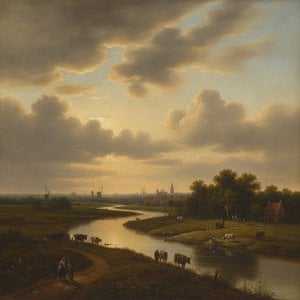
Metsu kūrybinė kelionė pasižymėjo atmetimu bet kokios vienos stiliaus ar technikos; tai pelnino jam „labai eklektiško dailininko“ titulą. Jo darbai apėmė istorinius paveikslus, stillifonus, portretus ir žanrinę tapybą. Įspūdingas yra tas faktas, kad tik 14 iš 133 jo darbų turi datą, todėl daug ko dar lieka nežinoma apie jo kūrybinį procesą.
- rembrand van rijn įtaka Metsu ankstyvojo kūrybos laikotarpiui yra akivaizdi, ypač tai jautama jo taikuose šviesos ir spalvos naudojime.
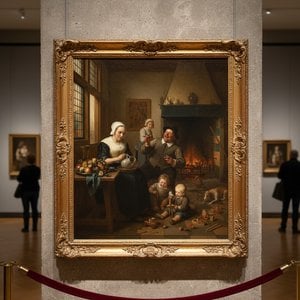
- Metsu persikėlimas į Amsterdamą 1655 metais pažymėjo esminį stiliaus lūžį, kai kūryboje daugiau dėmesio pradėta skirti buitiniams interjerams ir žanrinėms scenoms.
- Jo mokymasis pas Michiel van Musscher ir Joost van Geel atspindi jo ryšį su tuo samtos meno bendruomente.
**pastebimiausi darbai ir palikimas**
Metsu paveiksluose dažnai matomos jaunos moterys, rinkinio scenos bei seniai žmonės, kur kūrinys remiasi populiariais emblematiniais prasmėmis. Ryškus pavyzdys yra
skrupūčiai pardavėja, kuri demonstruoja jo gebėjimą naudoti simbolizmą.
pagrindiniai darbai: **muziejai ir kolekcijos**
Metsu kūriniai galima rasti įvairiuose muziejuose, įskaitant Amsterdamo Rijksmuseum. Norėdami sužinoti daugiau apie jo meną ir pažinti kitus olandų aukso amžiaus dailininkus, apsilankykite /lt/art/show/art-d3c627-lt/ ir pasikraustykite išsamią apžvalgą.
Išvada: Gabriel Metsu gyvenimas ir menas yra olandų aukso amžiaus inovacijų dvasios įrodymas. Jo eklektiškas stilius, nors kartais ir paslaptingas, paliko neištriniamą žymę meno pasaulyje. Toliej atskleisdami daugiau apie jo gyvenimą ir kūrybą, mes vėl prisimename gilią įtaką, kurią jis turėjo Vakarų meno vystymui.
- Gilesniam olandų aukso amžiaus supratimui kreipkitės į [https://en.wikipedia.org/wiki/dutch_golden_age_painting](https://en.wikipedia.org/wiki/dutch_golden_age_painting).
- Tyrinėkite daugiau Metsu darbų ir jo samtvorių darbus adresu [https://WahooArt.com/@/gabriel-metsu](https://WahooArt.com/@/gabriel-metsu).
**šaltiniai:**



 Peržiūrėti realaus dydžio版
 Perjungti į spausdinimą
 Siųsti
 Dalintis
 Išsamiau
 Vadovas

 Atsisiųsti
 Panašūs eksponatai
 Rentgeno spindulių nuotrauka
 Diaporama
 Statistika

 Rodyti daugiau






































 Stiklo variantas prieinamas tik pasirinkus dydį iki 110 cm