


 Oil On CanvasWallArtMexican Surrealism
 1946Modern
 22.0 x 30.0 cm
Muziejų lygio „giclée“ arba drobos spausdinimas: greita gamyba ir lankstios apdailos parinktys. ( Pirkti rankomis tapytą paveikslą Pirkti vaizdą)





























Pasirinkite iš mūsų nustatytų dydžių, atitinkančių originalaus meno kūrinio proporcijas.

Galite nurodyti savo matmenis, kad vaizdas atitiktų konkretų rėmą ar erdvę. Jei pasirinktas dydis nesutaps su originalaus paveikslėlio proporcijomis, mes arba apkirpsime kūrinį, arba išplėsime vaizdą naudojant veideliu atspindėtą arba vientisą šoną. Skaitmeninis maketas bus išsiųstas jums patvirtinti prieš pradedant gamybą.
Atkreipkite dėmesį, kad ekrane matomas vaizdinys neatspindi tikrojo apkirpimo ar išplėtimo. Tik maketas tiksliai parodytų galutinę kompoziciją.
Nors galima rinktis ir individualius dydžius, rekomenduojame pasirinkti vieną iš išanksti nustatytų matmenų, kad būtų išlaikytos originalios proporcijos.
Pristatymas visame pasaulyje () per 2 weeks, o ne įprastas 4/5 savaičių laikotarpis. (7 rugsėjis)


The Wounded Deer
Reprodukcijos matmenys
In the hauntingly beautiful masterpiece "The Wounded Deer," painted in 1946, Frida Kahlo invites the viewer into a realm where the boundaries between human suffering and the natural world dissolve. The painting presents a striking, surreal image of a stag—a creature of grace and strength—brutally pierced by numerous arrows. Set within a dense, claustrophobic woodland, the deer stands as a solitary figure of agony, its body a map of physical trauma. This is not merely a depiction of a hunt; it is an intimate, visceral portrait of endurance. As you gaze upon the meticulous rendering of the deer’s anatomy and the way the light catches the wounds, you are drawn into a profound meditation on the fragility of life and the relentless persistence of the spirit.
The composition masterfully balances the stillness of the forest with the underlying tension of predation. Scattered throughout the background, subtle figures emerge from the shadows, suggesting the presence of hunters or perhaps other witnesses to this tragedy, heightening the sense of isolation felt by the central subject. For collectors and lovers of fine art, the painting offers a captivating complexity; it is a piece that demands attention through its intricate details and its ability to evoke a wide spectrum of emotions, from profound empathy to a quiet, somber awe.
Kahlo’s technique in "The Wounded Deer" showcases her unique ability to blend the precision of realism with the dreamlike, often unsettling logic of Surrealism. Utilizing oil on canvas, she employed a sophisticated method of layering and glazing to achieve a luminous depth that makes the forest appear both lush and otherworldly. The texture of the deer’s fur and the sharp, clinical reality of the arrows create a jarring contrast against the soft, atmospheric haze of the woods. This technical mastery ensures that every brushstroke contributes to the painting's heavy emotional weight, making it an ideal centerpiece for those seeking art that possesses both aesthetic beauty and intellectual gravity.
Beyond its surface, the artwork is a profound tapestry of symbolism rooted in Kahlo’s own biography. The wounded stag serves as a powerful surrogate for the artist herself, reflecting her lifelong struggle with the physical aftermath of a devastating bus accident and the chronic pain that defined her existence. The arrows represent the various traumas—both physical and emotional—that pierced her life. Yet, despite the carnage, there is an undeniable sense of resilience within the composition. For interior designers looking to curate spaces with meaningful narratives, this piece provides a sophisticated focal point that speaks to themes of identity, survival, and the indomitable human will.
Owning a reproduction of such an iconic work allows one to bring a piece of art history into the modern home. "The Wounded Deer" is more than a painting; it is a window into the soul of one of the 20th century's most significant artists. Its presence in a room can transform an atmosphere, offering a conversation starter that bridges the gap between personal emotion and historical significance. Whether placed in a quiet study or a grand living space, the painting’s ability to evoke contemplation makes it a timeless addition to any curated collection.

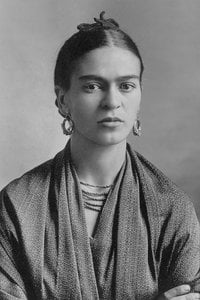
1907 - 1954 , Meksika

Embark on a profound journey through Frida Kahlo's most iconic masterpieces. Discover the deep symbolism, Mexican heritage, and resilient spirit behind her legendary works in this expert art-historical exploration designed for true art enthusiasts.

Discover the profound allure of oil on canvas. Explore the mastery of impasto textures, the science of pigment longevity, and expert guides to selecting museum-quality reproductions that elevate your collection with timeless elegance and tactile depth.

Discover the enduring legacy of oil on board painting. Explore how historical techniques, rich impasto textures, and structural durability create timeless masterpieces that bridge Renaissance grandeur with modern art collecting excellence.

 Peržiūrėti realybėje
 Pasidalinti
 Dalintis
 Išsamiau

 Atsisiųsti
 Panašūs eksponatai
 Rentgeno nuotrauka
 Automatinė diorama
 Skaityti daugiau







 Stiklo variantas prieinamas tik pasirinkus dydį iki 110 cm


