Oil On CanvasWallArtSurrealist Expression
 1933Modern
 23.0 x 22.0 cm
Rankiniu būdu tapytas aliejus ant droblio jūsų pageidaujamame dydį ir rėmuose – mūsų menininkų darbas pagal užsakymą. ( Pirkti spaudinį Pirkti vaizdą)





























Pasirinkite iš mūsų nustatytų dydžių, atitinkančių originalaus meno kūrinio proporcijas.

Galite įvesti savo matmenis, kad jie atitiktų konkretų rėmą ar erdvę. Jei pasirinktas dydis neatitinka originalaus paveikslėlio proporcijų, mes arba apkropsime meno kūrinį, arba papildysime tapybą rankomis dažytい elementais. Prieš pradėdami gamybą, jūsų patvirtinimui atsiųsime skaitmeninį maketą.
Atkreipkite dėmesį, kad ekrane rodomas vaizdas neatspindi tikrojo apkarpymo ar papildymo. Tik maketas tiksliai parodys galutinę kompoziciją.
Nors galima rinktis ir individualius dydžius, rekomenduojame pasirinkti matmenis iš nustatytos sąrašo, kad būtų išlaikytos originalios proporcijos.
Pristatymas visame pasaulyje () per 3–4 savaites, o ne įprastai – per 5 savaites. (7 rugsėjis). Kokybė lieka nepakeičiama.


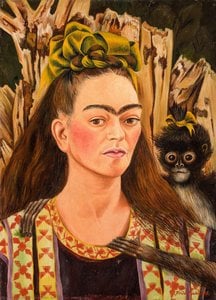
Self- Portrait Very Ugly
Reprodukcijos matmenys
Frida Kahlo’s “Self Portrait Very Ugly,” painted in 1933, transcends mere representation; it embodies a profound exploration of identity, pain, and resilience—themes that permeate the entirety of her oeuvre. More than just an image of herself, this artwork serves as a visceral manifestation of Kahlo's internal landscape, confronting viewers with an unflinching gaze and a disconcerting honesty rarely found in portraiture.
Beyond the central figure lies a subtle yet significant layering of symbolism. Two apples—one positioned on the right side of the canvas and another nestled at the bottom left corner—are strategically placed to disrupt any idealized notion of beauty or serenity. Apples, traditionally associated with fertility and immortality, here serve as emblems of decay and imperfection—a poignant commentary on Kahlo’s own physical limitations and psychological struggles.
Painted during Kahlo's turbulent period following her devastating accident in 1925, “Self Portrait Very Ugly” aligns itself with the broader Surrealist movement—a reaction against rational thought and a fascination with dreams and subconscious imagery. However, unlike many Surrealists who sought to explore fantastical realms, Kahlo anchors her artistic vision firmly within autobiographical experience.
“This painting is about my pain,” Kahlo famously stated, encapsulating the essence of her artistic endeavor. “It’s about me.” The artwork serves as a testament to Kahlo's ability to transform personal suffering into powerful visual narratives—a feat that continues to resonate with audiences today.“Self Portrait Very Ugly” commands attention not through conventional beauty but through its unflinching honesty. The artist’s gaze confronts the viewer head-on, conveying a palpable sense of vulnerability and introspection—a courageous assertion of self amidst physical hardship. Ultimately, the painting embodies Kahlo's profound acceptance of her condition—transforming pain into an instrument of artistic expression and forging a legacy as one of the most emotionally resonant portraits of the 20th century.

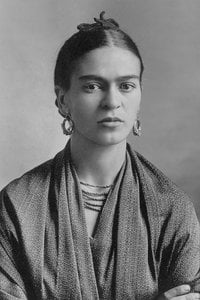
1907 - 1954 , Meksika

Step into a dreamscape of Surrealism. Uncover the stories behind 10 iconic masterpieces by legends like Salvador Dalí and René Magritte. Find museum-quality art reproductions and curated decor inspiration to transform your space. Discover all masterpieces on WahooArt.com.

Step into a dreamscape of iconic Surrealist masterpieces. From Dali to Magritte, explore the stories behind the world's most famous artworks and find museum-quality reproductions for your home. Discover all masterpieces on WahooArt.com.

Embark on a profound journey through Frida Kahlo's most iconic masterpieces. Discover the deep symbolism, Mexican heritage, and resilient spirit behind her legendary works in this expert art-historical exploration designed for true art enthusiasts.

Journey through the dreamlike depths of Surrealist Expressionism. Explore 10 iconic masterpieces, their emotive stories, and timeless techniques. Find museum-quality art reproductions and curated decor inspiration for your space. Discover all masterpieces on WahooArt.com.

Step into the dreamscape of Salvador Dalí. Explore 25 iconic Surrealist masterpieces, from melting clocks to bizarre landscapes. Discover the stories behind these timeless works and find museum-quality art reproductions for your decor. Explore the full collection on WahooArt.com.

 Peržiūrėti realybėje
 Pasidalinti
 Dalintis
 Išsamiau

 Atsisiųsti
 Panašūs eksponatai
 Rentgeno nuotrauka
 Automatinė diorama
 Skaityti daugiau







 Stiklo variantas prieinamas tik pasirinkus dydį iki 110 cm