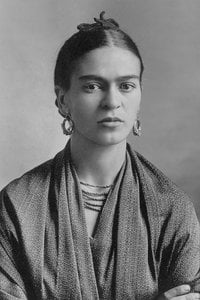
Autoriaus biografija
Magdalena Carmen Frida Kahlo: Meksikos Dailininkės Žaismas su Skausmu ir Tapyba
Frida Kalo – vardas, kuris rezonuoja visame pasaulyje, simbolizuodamas atsigavimą, tapatybę ir meninę išraišką. Gimusi 1907 m. liepos 6 d. Meksikoje, Coyoacán mieste, Magdalena Carmen Frida Kahlo y Calderón praleido gyvenimą, kupinus fizinio skausmo, emocinių audrų ir neprilygstančio meninio įkvėpimo. Jos vaikystė buvo pažymėta netolygumais – nuo poliomailio iki sunkaus autobuso susidūrimo, kuris paliko ją su nuolatiniu skausmu ir daugybės operacijų poreikiu. Tačiau būtent šie sunkumai tapo pagrindu jos unikaliai asmeninei ir simbolingai dailininkės kūrybai. Jos tėvas, Guillermo Kahlo, vokiečių-meškiškos kilmės fotografas, skatino intelektinį smalsumą ir meninius polinkius nuo ankstyvos vaikystės. Tačiau Frida gyvenimas buvo apšepstas ligomis; būdama šešerių metų ji susirgo poliomailiu, dėl kurio kojos ir koja tapo žymiai liesesnės nei kita. Šis ankstyvas susidūrimas su pažeidžiamumu ir ribotomis galimybėmis vėliau tapo dažnu motyvu jos kūriniuose, formavusiu požiūrį į kūną, skausmą ir atsigavimo galią.
Tragedija ir Meninis Atgimimas
1925 m., būdama aštuoniolikmetė, Frida gyvenimą pakeitė siaubingas autobuso susidūrimas. Susidūręs su sunkiomis traumomis – stuburo, dubens ir kojos lūžiais – ji buvo priversta ilgam atsigauti, dažnai gulėdama lovoje ir apvyniota gipso sluoksniais. Būdama izoliuota nuo pasaulio, Frida rado paguodą ir išraišką tapybos mene. Jos motina įrengė specialų stalą, kad ji galėtų piešti lovoje, paversdama savo fizinius apribojimus meninės ekspresijos erdve. Būtent tuo metu Frida ėmėsi savęs portretavimo su neblausiančiu atkaklumumu. Negalėdama išeiti į pasaulį, ji nukreipė žvilgsnį į save, kruopščiai dokumentuodama savo atvaizdą kaip būdą suprasti ir susidurti su savo skausmu – tiek fiziniu, tiek emociniu. Šie ankstyvieji darbai nebuvo tik jos panašumo atvaizdai; tai buvo visceralūs tapatybės, pažeidžiamumo ir žmogaus sielos nepaprastos jėgos tyrimai. Susidūrimas nebuvo tiesiog tragedija; tai buvo katalizatorius, atvėręs jos meninį potencialą, privertęs susidurti su savo mirties artumumu ir rasti prasmę kančiose.
Diego Rivera ir Meninis Brandumas
Fridos gyvenimas įgavo dar vieno svarbaus posūkio 1929 metais, kai ji ištekėjo už žinomojo Meksikos muralisto Diego Riveros. Jų santykiai buvo aistringi, bet sudėtingi – kupini meilės, neištikimybės, meninės konkurencijos ir atsiskyrimo bei susitaikinimo periodų. Nepaisant emocinių išbandymų, Rivera turėjo reikšmingą įtaką Fridos meninei raidai. Jis skatino jos unikalų vizualumą, siūlė konstruktyvią kritiką kartu su pripažinimu jos darbo žemos galios ir originalumo. Jo vadovavimo ir savo nepailstingos eksperimentavimo dėka Frida stilius ėmė susiformuoti, derinant Meksikos liaudies meno elementus, realizmą ir surrealizmą į išskirtinę vizualią kalbą. Jos paveikslai tapo vis labiau simboliniais, tyrinėdami tokias temas kaip tapatybė, žmogaus kūnas, skausmas, mirtis ir moters patirties sudėtingumas. Ji neatsisakydavo vaizduoti savo kančios; priešingai, ji priimdavo ją kaip pagrindinį jos darbo elementą, paversdama asmeninę traumą universaliais teiginiais apie žmogaus būklę.
Simboliai, Atgimimas ir Tapybos Palikimas
Frida Kalo galbūt labiausiai žinoma dėl savo savęs portretų, kuriuos pasižymi neprilygstančiu sąžiningumu ir simboliniu gyliu. Tokie kūriniai kaip Dvi Fridos (1939 m.), įtikinantis vaizdavimas apie jos dvigubą tapatybę po skyrimosi su Rivera, parodo jos gebėjimą išreikšti vidinį konfliktą per strikingus vizualius metaforas. Savęs portretas su gudrožių apykakle ir kolibriu (1940 m.) yra kupinas simbolizmo – gudrovės spygliukai atstovauja skausmui, kolibris – vilčiai ir atsigavimo jėgai, o juodas katinas – blogos laimės pranašas. Sugriautas stulpas (1944 m.), šokiruoja vaizduojantis jos fizinį skausmą, parodo Fridos liemenį atveriantį, kad būtų matomas griūstantis joninis stulpas vietoj jos stuburo, laikomas juostomis ir perverstas nagais. Net Henry Ford Hospital (1932 m.), žiaurus ir giliai asmeninis vaizdavimas apie abortą, parodo jos norą susidurti su tabu temomis be jokių sąlygų. Šie paveikslai nėra tik skausmo atvaizdai; tai yra neatsisakymo veiksmai, tapatybės teigimai kovoje su nesėkmėmis.
Pavelės Palikimas
Fridos Kalo įtaka išsiskiria meno ribomis. Ji buvo kultūros ikona, kuri iššūkavo tradiciniams lyties vaidmenims ir visuomenės lūkesčiams per savo gyvenimą ir kūrybą. Jos Meksikos kultūros ir tapatybės priėmimas padėjo pakelti jos profį tarptautiniu masteliu, o atkaklus skausmo vaizdavimas sužadino auditoriją visame pasaulyje, todėl ji tapo atsigavimo ir stiprybės simboliu. Ji buvo svarbus veikėjas čikanų bendruomenėje JAV, atstovaujanti jų kultūrinei paveldei ir kovoms. Nors ji neprilygo būdama surrealistais, jos darbai dalijasi savybėm su judėjimo tyrimais dėl subkonscio ir sapnų vaizdinio. Šiais laikais Frida Kalo yra šimtmečio svarbiausių dailininkių, o jos palikimas toliau įkvepia kartas priimti savo tapatybes, susidurti su nesėkmėmis ir išreikšti save autentiškai. Jos menas tebėra liudijimas žmogaus sielos nepaprastos jėgos rasti grožį ir prasmę net pačiuose tamsiausiuose laikuose.



 Peržiūrėti realybėje
 Perejti prie spausdinimo
 Pasidalinti
 Dalintis
 Išsamiau

 Atsisiųsti
 Panašūs eksponatai
 Rentgeno nuotrauka
 Automatinė diorama
 Statistika

 Skaityti daugiau






































 Stiklo variantas prieinamas tik pasirinkus dydį iki 110 cm