Autoriaus biografija
A Pioneer of American Impressionism: The Life and Art of Frederick Childe Hassam
Frederick Childe Hassam, gimęs Bostone 1859 metų spalio 17 dieną, išsiskiria kaip reikšmingas amerikiečių impresionistinis dailininkas. Jo kelias nuo vaikystės įsimėlynimo menui iki tapymo vienu iš šalies garsiausių kūrėjų yra įrodymas jo atsidavimo ir unikalaus vizijos rezultatas. Štai kaip jis išsiskiria nuo daugumos savo laikmečio kolegų, kurie ieškojo išsamaus akademinio mokymosi Europoje – Hassam didžiąją dalį savo meistriškumo įgijo pats mokantis ir praktikuojantis meno techniką, pradėjęs darbą žurnalistams tokiems kaip *Harper's Weekly* ir *Scribner’s Monthly*. Šis ankstyvas patyrimas išmintelėjo jo pažymėjimo gebėjimą įvykti įvykius ir įdėtų į kūrinį istoriją – požymių, kurie išliko jo stiliaus pagrindais. Nepaisant to, kad jis galiausiai keliavo į Europą 1886 metais, mokydamasis trumpai Paryžiuje, Amerikos kraštovaizdis ir miesto gyvenimas iš tikrojo buvo jo kūrybinė vizija. Jis nebuvo tiesiog kopijavoje europiečių technikų; jis prisitaikydavo juos į paveiktį įrašant amerikietiško patirties aspektą.
Žavingas Švietimas ir Modernus Gyvenimas
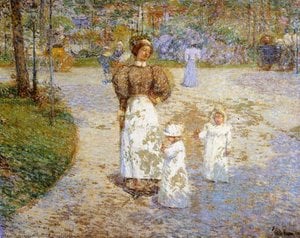
Hassamovo meno kūriniai iš karto yra įsimėlynami dėl savo šviesos kokybės, kuri pasiekta meistriškai naudojantis šviesią švietimą ir spalvas. Įkvietęs Claude Monetą ir Edgardą Degą, jis priimė impresionistinius principus užfiksuojant laikmenę ir atmosferą. Tačiau Hassam nebuvo tiesiog imitatorius; jis įdėjo į savo darbą unikalią amerikiečių savivertės aspektą. Jis rado grožį ne tik idyllišku kraštovaizdžiui, bet ir šiuolaikinio gyvenimo energingai vibracijai – kaip Šiaurės Amerikoje, taip ir Pietų Amerikoje. Jo paveikslėliai dažnai užfiksuoja miesto scenas – mados moterys vaikščiodamos Fifth Avenue gatvėje, žirgų vilios įvykdydamos šiuolaikinę infrastruktūrą arba tylius akimirkus namuose. Štai kaip jie nebuvo tik vietos vaizdai; jie buvo portraičiai visuomenės pokyčių laikotarpio, kuriame įrašyta vibracija ir dinamika XIX ir XX amžių pradžios. Pavyzdžiui, *Maidų Šiaurėje* (1893) veiksmų kūrimas išmintelėjo gebėjimą įvykti įvykius ir įdėti į paveikslėlį atmosferą švelnia spalvų harmonija ir deluotė dažymo technika, kuri sukuria tylią ir kontemplatyvią patirtį žiūrintiems. Jo pajūrio vaizdai, tokie kaip *Gloucester* (1899), taip pat demonstravo panašią švietimo ir atmosferos jautrumą, transformuojant įprastą uostą į žavingą viziją ramybės šviesoje.
Žymūs veiksmų kūrimas
Hassam buvo labai produktyvus dailininkas – daugiau kaip 3000 paveikslėlių, aliejinių dažų spalvinimų, graviūrų ir litografijų jis sukėlė savo karjeroje. Jo darbą įvykti įvykiui įrašyta šiuolaikinės Amerikos estetika iš tikrojo įkvietė švietimą, spalvas ir pasaulio aplinkos aspektą – kaip Šiaurės Amerikoje, taip ir Pietų Amerikoje. Jo paveikslėliai dažnai užfiksuoja miesto scenas – mados moterys vaikščiodamos Fifth Avenue gatvėje, žirgų vilios įvykdydamos šiuolaikinę infrastruktūrą arba tylius akimirkus namuose. Štai kaip jie nebuvo tik vietos vaizdai; jie buvo portraičiai visuomenės pokyčių laikotarpio, kuriame įrašyta vibracija ir dinamika XIX ir XX amžių pradžios. Pavyzdžiui, *Gloucester* (1899) veiksmų kūrimas išmintelėjo gebėjimą įvykti įvykiui įrašyta švietimą ir atmosferą švelnia spalvų harmonija ir deluotė dažymo technika, kuri sukuria tylią ir kontemplatyvią patirtį žiūrintiems. Jo pajūrio vaizdai, tokie kaip *Gloucester* (1899), taip pat demonstravo panašią švietimo ir atmosferos jautrumą, transformuojant įprastą uostą į žavingą viziją ramybės šviesoje.
„Žymūs veiksmų kūrimas“ grupė
Štai kaip jis išsiskiria nuo daugumos savo laikmečio kolegų, kurie ieškojo švietimą, spalvas ir pasaulio aplinkos aspektą – kaip Šiaurės Amerikoje, taip ir Pietų Amerikoje. Jo paveikslėliai dažnai užfiksuoja miesto scenas – mados moterys vaikščiodamos Fifth Avenue gatvėje, žirgų vilios įvykdydamos šiuolaikinę infrastruktūrą arba tylius akimirkus namuose. Štai kaip jie nebuvo tik vietos vaizdai; jie buvo portraičiai visuomenės pokyčių laikotarpio, kuriame įrašyta vibracija ir dinamika XIX ir XX amžių pradžios. Pavyzdžiui, *Gloucester* (1899) veiksmų kūrimas išmintelėjo gebėjimą įvykti įvykiui įrašyta švietimą ir atmosferą švelnia spalvų harmonija ir deluotė dažymo technika, kuri sukuria tylią ir kontemplatyvią patirtį žiūrintiems. Jo pajūrio vaizdai, tokie kaip *Gloucester* (1899), taip pat demonstravo panašią švietimo ir atmosferos jautrumą, transformuojant įprastą uostą į žavingą viziją ramybės šviesoje.
Hassam buvo labai produktyvus dailininkas – daugiau kaip 3000 paveikslėlių, aliejinių dažų spalvinimų, graviūrų ir litografijų jis sukėlė savo karjeroje. Jo darbą įvykti įvykiui įrašyta šiuolaikinės Amerikos estetika iš tikrojo įkvietė švietimą, spalvas ir pasaulio aplinkos aspektą – kaip Šiaurės Amerikoje, taip ir Pietų Amerikoje. Jo paveikslėliai dažnai užfiksuoja miesto scenas – mados moterys vaikščiodamos Fifth Avenue gatvėje, žirgų vilios įvykdydamos šiuolaikinę infrastruktūrą arba tylius akimirkus namuose. Štai kaip jie nebuvo tik vietos vaizdai; jie buvo portraičiai visuomenės pokyčių laikotarpio, kuriame įrašyta vibracija ir dinamika XIX ir XX amžių pradžios. Pavyzdžiui, *Gloucester* (1899) veiksmų kūrimas išmintelėjo gebėjimą įvykti įvykiui įrašyta švietimą ir atmosferą švelnia spalvų harmonija ir deluotė dažymo technika, kuri sukuria tylią ir kontemplatyvią patirtį žiūrintiems. Jo pajūrio vaizdai, tokie kaip *Gloucester* (1899), taip pat demonstravo panašią švietimo ir atmosferos jautrumą, transformuojant įprastą uostą į žavingą viziją ramybės šviesoje.
Jo paveikslėliai dažnai užfiksuoja miesto scenas – mados moterys vaikščiodamos Fifth Avenue gatvėje, žirgų vilios įvykdydamos šiuolaikinę infrastruktūrą arba tylius akimirkus namuose. Štai kaip jie nebuvo tik vietos vaizdai; jie buvo portraičiai visuomenės pokyčių laikotarpio, kuriame įrašyta vibracija ir dinamika XIX ir XX amžių pradžios. Pavyzdžiui, *Gloucester* (1899) veiksmų kūrimas išmintelėjo gebė



 Peržiūrėti realaus dydžio版
 Pirkti rankomis tapytą reprodukciją
 Siųsti
 Dalintis
 Išsamiau
 Gidas
Gidas

 Atsisiųsti
 Panašūs eksponatai
 Rentgeno spindulių nuotrauka
 Diaporama
 Statistika


 Rodyti daugiau






































 Stiklo variantas prieinamas tik pasirinkus dydį iki 110 cm