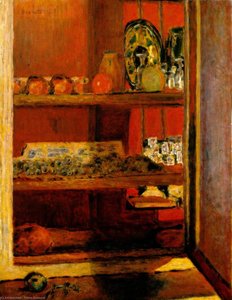
Gyvenimo Pradžia ir Ankstyvieji Metai
Frederick Carl Frieseke, gimęs nedideliame Mičigano valstijos Owosso miestelyje 1874 metų balandžio 7 dieną, anksti parodė polinkį į meną. Jo vaikystę temdė motinos mirtis ir persikėlimas į Floridą, tačiau jo teta, turinti artistinių pomėgių, ugdė jame formų ir šviesos supratimą, kuris vėliau taps pagrindiniu jo kūrybos elementu. Nors iš pradžių Frieseke dalyvavo šeimos plytų gamybos versle, tikrasis jo pašaukimas rezonavo su to meto meno dvasia. Lemingas apsilankymas 1893 metų Pasaulinėje parodoje nužadino aistrą, kurią skatino formalus mokymasis Čikagos meno institute ir, svarbiausia, persikėlimas į Paryžių 1898 metais – sprendimas, neabejotinai pakeitęs jo artistinę lemtį. Būtent Prancūzijoje Frieseke tikrai rado savo balsą, pasinėręs į gyvybingą meno sceną ir įsisavinęs įtakas, kurios sužydėjo jo firminiu stiliumi.
Giverny Trauka ir „Dekoratyviojo Impresionizmo“ Išsivystymas
Paryžius pasirodė esąs ne tik studijų vieta; tai tapo Frieseke’s įvaikintu namu, šventove, kur jis galėjo tobulinti savo techniką ir tyrinėti artistinę viziją. Ankstyviosioms įtakoms priklausė James Abbott McNeill Whistleris, kurio toniniai deriniai paliko neišdildomą pėdsaką Frieseke’s darbuose. Tačiau būtent Giverny trauka – Claude Monet idiliška oazė – išties atskleidė jo potencialą. 1906 metais Frieseke nuomoja namą šalia Monet, tapdamas klestinčios artistų bendruomenės dalimi ir pasineriant į patį impresionizmo esmę. Ši artuma paskatino unikalią stilistiką, dažnai apibūdinamą kaip „dekoratyvusis impresionizmas“. Skirtingai nuo kai kurių impresionistų spontaniškesnio potepio, Frieseke’s paveiksluose pasireiškia rafinuotas elegancija, būdinga šviesios spalvos, saulės spinduliai, prasiskverbiantys pro lapiją, ir pabrėžiami gracingos moterų figūros. Jis ne tik fiksavo praeinantį momentą; jis kūrė ramių grožio scenas, įkvėptas intymaus ramumo jausmo. Jo darbai ėmė demonstruoti sensualių, apvalių formų primenančių Pierre-Auguste Renoir, sumaišytų su drąsesnėmis spalvų paletėmis, įkvėptomis postimpresionistų, tokių kaip Paul Gauguin ir Pierre Bonnard.
Tematika Ir Technikos: Šviesos Ir Moteriškumo Fiksavimas
Frieseke’s artistinis dėmesys nuolat sukosi apie dvi pagrindines temas: žavingus šviesos efektus ir moterų atvaizdavimą. Jį domino, kaip saulės spinduliai paverčia paprastas scenas eteriško grožio momentais, ir jis meistriškai užfiksavo šią sąveiką savo paveiksluose. Jo moterų figūros, dažnai vaizduojamos soduose ar interjeruose, yra ne tik portretai, bet ir malonės, jausmingumo bei tykaus apmąstymo įkūnijimai.
Hélène, nutapytas 1901 metais, puikiai iliustruoja šį požiūrį – žavingas portretas, demonstruojantis impresionistinį grožį ir intymią detalę. Panašiai darbai, tokie kaip
The Garden at Giverny, parodo jo gebėjimą sujungti impresionistines technikas su postimpresionistine spalvų jautrumu. Frieseke’s technika apima subtilių potepių sluoksniavimą, kad sukurtų švelnų efektą, įkvėpiantį saulės spindulių pojūtį, šokantį ant odos ir lapijos. Jis dažnai įtraukdavo geometrinius elementus – skėčius, raštuotus audinius – kad suteiktų kontrastą ir sustiprintų jo kompozicijų vizualinę harmoniją. Jo atsidavimas užfiksavus šiuos niuansus pelnė jam pripažinimą;
Before the Glass (1904) įsigijo Prancūzijos vyriausybė ir buvo eksponuojamas Liuksemburgo galerijoje, liudijantis jo augantį prestižą.
Pripažinimas Ir Palikimas: Tvarus Įspūdis Amerikos Menoje
Visos savo karjeros metu Frieseke sulaukė daugybės apdovanojimų, įskaitant sidabro medalius 1904 metų Sent Luizo parodoje, Temple Gold Medal iš Pensilvanijos meno akademijos 1913 metais ir Grand Prize 1915 metų Panama-Pacific International Exposition. Jo paveikslas
Torn Lingerie (1920) sulaukė ypatingo pripažinimo, pelnęs du aukso medalius ir populiarią premiją Čikagos meno institute. Nepaisant savo sėkmės, Frieseke liko atsidavęs emigrantas, teikiantis pirmenybę artistinei laisvei, kurią rado Prancūzijoje. Jis mirė 1939 metų rugpjūčio 24 dieną, palikdamas palikimą šviesių paveikslų, kurie ir šiandien žavi publiką. Jo indėlis į Amerikos impresionizmą yra reikšmingas ne tik dėl jo techninio meistriškumo, bet ir dėl gebėjimo kurti ilgai išliekančio grožio ir ramybės scenas. Frieseke’s darbai primena meno galią mus perkelti į idiliškus pasaulius, apšviestus saulės spindulių ir kupinus malonės.
Žymiausi Darbai
- Portretas Merginos (taip pat žinomas kaip Apimstęs Modelis): Stulbinantis realizmo ir grožio derinys, užfiksuojantis tykų apmąstymą.
- Hélène: Demonstruoja impresionistinį grožį ir intymią detalę, nutapytas 1901 metais.
- Autoportretas: Atskleidžia artisto kontempliatyvią prigimtį jo studijoje, demonstruojant meistrišką techniką.
- The Garden at Giverny: Puikus pavyzdys jo impresionistinių ir postimpresionistinių stilių derinimo.
- Moteris Sode: Esminė jo dekoratyviojo impresionizmo reprezentacija.
- Before the Glass (1904): Įsigijo Prancūzijos vyriausybė, eksponuojamas Liuksemburgo galerijoje.
- Torn Lingerie (1920): Apdovanotas dviem aukso medaliais ir populiaria premija Čikagos meno institute.



 Peržiūrėti realybėje
 Pirkti rankomis tapytą paveikslą
 Pasidalinti
 Dalintis
 Išsamiau

 Atsisiųsti
 Panašūs eksponatai
 Rentgeno nuotrauka
 Automatinė diorama
 Statistika

 Skaityti daugiau






































 Stiklo variantas prieinamas tik pasirinkus dydį iki 110 cm