Peržiūrėti realybėjePeržiūrėti realybėje Peržiūrėti ARPeržiūrėti AR Pirkti spaudinį Pirkti spaudinįPirkti rankomis tapytą paveikslą Pirkti rankomis tapytą paveikslą PasidalintiPasidalinti
IšsamiauIšsamiau Pridėti į mėgstamiausius Pridėti į mėgstamiausius AtsisiųstiAtsisiųsti Panašūs eksponataiPanašūs eksponatai Rentgeno nuotraukaRentgeno nuotrauka Automatinė dioramaAutomatinė diorama

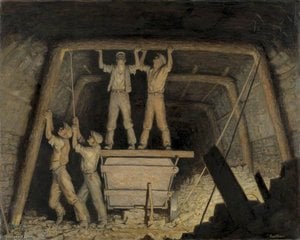
Wagon Man

Discover 'Wagon Man' by Fred Laidler – a powerful oil painting depicting coal mine labor in early 20th-century realism. Explore its gritty details & evocative style at Woodhorn Museum.

Explore the stark, evocative paintings of Fred Laidler. Capturing industrial life in South Wales, his works depict miners, ponies & everyday scenes with raw realism.

Įsigykite aukštos skiriamosios raiškos, patobulintą skaitmeninį vaizdą, gerokai pranašesnį už internetinę peržiūrą.

Kiekvieną failą mūsų specialistai kruopščiai paruošia naudojant pažangias technologijas ir profesionalų rankinį retušavimą. Užtikriname, kad kiekvienas vaizdas pasižymėtų išskirtiniu aiškumu, tikslia spalvų atspalviu ir smulkiomis detalėmis.

Baigiamas failas el. paštu pristatomas per 72 valandas; jis optimizuotas nedelsiant naudojimui profesionalioje, redakcinėje ir spausdinimo aplinkoje. Tai ta pati kokybė, kuria pasitiki aukščiausios klasės dizaino studijos, leidyklos ir galerijos.

Skaitmeninis vaizdas

Atsisiųskite didelės raiškos failą asmeniniam naudojimui, spausdinimui ir kūrybiniams projektams. (Pirkti spaudinį Pirkti spaudinįPirkti rankomis tapytą paveikslą Pirkti rankomis tapytą paveikslą)

Visų sumos kaina

$ 24,90

Kiekvieną skaitinio vaizdo užsakymą papildė

Profesionalus skaitmeninis pristatymas, garantuotas

Pasirinkę WahooArt.com, jūs ne tik gaunate paveikslėlį – jūs gaunate profesionaliai patobudintą skaitmeninį kūrinį, sukurtą itin tikniai ir užtikrinantį pasitenkinimą. Štai viską, kas automatiškai pritékia jūsų užsakymui:

shipping_icon
Greitas siuntimas el. paštu

Jūsų aukštos raiškos skaitmeninis vaizdo failas bus išsiųstas jums el. paštu per 72 valaudas nuo užsakymo – paruoštas naudojimui be jokių papildomų veiksmų.

canvas_icon
Skaitmeninis failas su dirbtiniu intelektu

Jūsų meno kūrinys profesionaliai optimizuojamas naudojant pažangius dirbtinio intelekto įrankius ir rankinį redagavimą, užtikrinant maksimalią detalę, aiškumą ir spalvų tikslumą.

insurance_icon
Nemokamas visam laikui pakartotinis siuntimas

Atsitiktinai ištrytikote ar praradote savo failą? Nebijokite – bet kuriuo metu atsiųsime jį jums vėl nemokamai.

tax_icon
Jokio importo mokesčio – niekada

Mėgaukitės savo meno kūriniu akimirka – skaitiniai failai visada yra neapmokestinami, todėl nereikės mokėti muitinės, mokesčių ar pristatymo mokesčių.

color_icon
Spalvų tikslumo garantija

Naudodami profesionalią įrangą ir spalvų valdymo sistemas, užtikriname, kad jūsų skaitmeninis vaizdas kuo tiksliau atspindėtų originalias spalvas.

return_icon
100 dienų pasitenkinimo garantija

Jei nebuvate patenkinti savo skaitinio vaizdo, per 100 dienų jį pertaisysime arba grąkinsime 100% sumą – be jokių klausimų.

guarantee_icon
100% pinigų grąžinimo garantija

Nepat 만족inti? Gaukite visą sumokėtą sumą per 100 dienų nuo skaitmeninio failo gavimo – be jokių papildomų klausimų.

discount_icon
Nuolaidos dideliems užsakymams

Pirkti 3 nuotraukas – pasiūla 10% - Pirkti 5 – pasiūla 15% - Pirkti 10 ir daugiau – pasiūla 20%. Puikiai tinka kūrybiniams projektams, galerijoms bei agentūroms.

The Wagon Man painting by Fred Laidler is a fascinating piece of art that showcases the artist's skill in capturing the essence of everyday life. Created in oil on canvas, this 44 x 60 cm piece is currently housed at the Woodhorn Museum - Northumberland Archives in Ashington, United Kingdom.

Artist Background

Fred Laidler was a talented artist known for his realistic and detailed paintings. His work often featured scenes of rural life, showcasing the daily activities and struggles of ordinary people. The Wagon Man painting is a prime example of this style, with its depiction of a man standing next to railroad tracks, surrounded by baseball bats and bottles.

Painting Analysis

The Wagon Man painting is a unique and intriguing piece that invites the viewer to ponder its meaning. The use of bold colors and vivid details creates a sense of depth and realism, drawing the viewer into the scene. The presence of baseball bats and bottles adds an air of mystery, leaving the viewer wondering about the context and purpose of these objects.
  • The painting's composition is well-balanced, with the central figure of the wagon man dominating the scene.
  • The use of light and shadow creates a sense of depth and dimensionality, adding to the overall realism of the piece.
  • The Woodhorn Museum - Northumberland Archives provides a rich context for the painting, with its collection of artworks showcasing the cultural heritage of the region.
Discover more about the artworks of Woodhorn Museum - Northumberland Archives by visiting /art/list/?Filter=A@D3C74K-Discovering-the-Artworks-of-Woodhorn-Museum-Northumberland-Archives-(Ashin.. View more paintings by Fred Laidler, including Fish and Chips and The Cartwrights, at https://WahooArt.com/@/Fred-Laidler
The Wagon Man painting is a captivating piece that showcases the skill and artistry of Fred Laidler. Its unique blend of realism and mystery makes it a must-see for art lovers and enthusiasts.

Autoriaus biografija

Early Life and the Roots of Observation

Fred Laidler’s story isn't one typically found within the gilded halls of art academies, but rather etched into the very landscape he so powerfully depicted. Born in 1918 in WahooArt, a small coastal town in South Wales, his formative years were inextricably linked to the rhythms and realities of industrial life. This wasn’t a world of idealized beauty; it was a place defined by coal dust, the clang of machinery, and the stoic faces of men and ponies working tirelessly within the unforgiving embrace of the Welsh valleys. His early exposure to this environment—a region steeped in both hardship and a profound connection to the land—became the bedrock upon which his distinctive artistic vision would eventually be built. The starkness of the landscape, the weathered textures of buildings and clothing, and the palpable sense of human endurance all served as constant, silent teachers.

Laidler’s family background also played a crucial role. His father, a skilled craftsman, instilled in him an appreciation for detail and a respect for honest labor – values that would later permeate his art. The region's rich artistic heritage, including the influence of the Ashington Group—a collective of miners who documented their lives through painting— undoubtedly shaped his approach to observation and representation. This group, known for its gritty realism and commitment to portraying the working class, provided a vital context for Laidler’s own artistic development.

The Ashington Group and the Development of Style

Laidler's association with the Ashington Group proved pivotal. This collective of miners, united by their passion for art, sought to capture the essence of their lives and surroundings. They weren’t interested in romanticizing or idealizing; instead, they aimed for an unflinching portrayal of daily existence. Laidler quickly absorbed this ethos, developing a distinctive style characterized by meticulous detail, a muted color palette dominated by grays, browns, and ochres, and a remarkable ability to convey the weight of labor and the resilience of the human spirit. His early works often featured scenes of miners at work, ponies hauling coal, and the everyday routines of village life – all rendered with an almost photographic precision.

Crucially, Laidler’s style wasn't simply mimicry; he possessed a keen eye for composition and a subtle understanding of light and shadow. He masterfully used these elements to create a sense of depth and atmosphere, drawing the viewer into the heart of his scenes. The influence of artists like George Romney, known for his realistic portraits and genre paintings, is evident in Laidler’s attention to detail and his ability to capture the nuances of human expression.

Key Works and Recurring Themes

Several works stand out as particularly representative of Laidler's artistic achievements. “Wagon Man,” a powerful depiction of coal mine labor, exemplifies his commitment to portraying the physical demands and emotional toll of working in the mines. The painting’s raw realism and unflinching portrayal of the miner’s exhaustion are deeply affecting. “Still Life” offers a quieter, yet equally compelling, glimpse into Welsh industrial life, showcasing the simple beauty found within everyday objects and routines. “The Sawyer,” a scene from rural America, demonstrates Laidler's versatility and his ability to capture the essence of different landscapes and occupations.

Throughout his career, Laidler consistently explored themes of labor, community, and the relationship between humanity and the natural world. He wasn’t interested in grand narratives or heroic figures; instead, he focused on the ordinary lives of working people – miners, farmers, shopkeepers – capturing their struggles, their joys, and their enduring connection to the land.

Legacy and Historical Significance

Fred Laidler's work holds a significant place in British regional art. He’s often associated with the ‘Pitman Painters,’ a group of miners who pursued artistic endeavors alongside their labor. His paintings offer a valuable historical record of Welsh industrial life during the 20th century, providing insights into the social and economic conditions that shaped the lives of ordinary people. Laidler's commitment to realism and his ability to capture the dignity and resilience of the working class have ensured his enduring legacy as one of South Wales’ most important artists.

His work continues to resonate today, reminding us of the importance of preserving our industrial heritage and celebrating the contributions of those who built our nation. Laidler's art serves as a poignant testament to the human spirit—a spirit forged in the crucible of labor and tempered by the beauty of the Welsh landscape.

fred laidler

fred laidler

1918 - 1988

Trumpai apie šį kūrėją

  • Artistic Movement Or Style: Realist Landscape
  • Artists Or Movements Influenced By This Artist: ['Ashington Group']
  • Artists Who Influenced This Artist: ['Woodhorn Museum']
  • Date Of Birth: 1918
  • Date Of Death: 1988
  • Full Name: Fred Laidler
  • Nationality: British
  • Notable Artworks:
    • Wagon Man
    • Still Life
    • The Sawyer
  • Place Of Birth: WahooArt