Gaukite spausdinimui paruoštą failą, kurio kokybė gerokai viršija internetinę peržiūrą. Kiekvienas mūsų parduodamas skaitmeninis vaizdas yra ištrauktas iš aukštos raiškos pagrindinio failo mūsų duomenų bazėje — paprastai jis siekia nuo 5 000 iki 15 000 pikselių plotio — todėl galite drąsiai spausdinti didelius formatus, apkirpti vaizdą ar reprodukcija užtikrins visas smulkias detales.
Mūsų studijoje nė viena kopija nelieka neapdorota. Skaitmeninio vaizdo ekspertas, lygiu su originaliu paveikslu, patikrina spalvas ir, jei reikia, jas koreguoja, o tada profesionaliais retušavimo įrankiais padidina aiškumą bei detales — visada išlaikydamas ištikimybę autoriaus teptuko traukoms ir stiliui. Rezultatas – vaizdas, kuris atrodo kaip tikras paveikslas, o ne kaip su filtrais apdorotas skenavimas.
Patvirtinate prieš užsakymo pabaigą: mūsų ekspertas per 72 valandas el. laišku atsiųsta vaizdą jūsų peržiūrai. Nepasitenkinate rezultatu? Paprašykite patobulinimų ar pataisymų arba prašykite pinigų grąžinimo, jei kokybė neatitinka jūsų lūkesčių.
Ši kokybė yra patikima leidybos įstaigoms, dizaino studijoms, galerijoms ir spaudos įmonėms.
Atsisiųskite didelės raiškos failą asmeniniam naudojimui, spausdinimui ir kūrybiniams projektams. ( Perjungti į spausdinamus版作品 Pirkti rankų darbo tapybą)
Pasirinkę WahooArt.com, jūs ne tik gaunate paveikslėlį – jūs gaunate profesionaliai patobudintą skaitmeninį kūrinį, sukurtą itin tikniai ir užtikrinantį pasitenkinimą. Štai viską, kas automatiškai pritékia jūsų užsakymui:
Jūsų aukštos raiškos skaitmeninis vaizdo failas bus išsiųstas el. paštu per 72 valandas nuo užsakymo – jis bus paruoštas naudoti be jokių papildomų veiksmų.
Jūsų meno kūrinys profesionaliai optimizuojamas naudojant pažangius dirbtinio intelekto įrankius ir rankinį redagavimą, užtikrinant maksimalią detalę, aiškumą ir spalvų tikslumą.
Atsitiktinai ištrytikote ar praradote savo failą? Nebijokite – bet kuriuo metu atsiųsime jį jums vėl nemokamai.
Mėgaukitės savo meno kūrynu be jokių muitinės mokesčių, įkainų ar pristatymo išlaidų – skaitiniai failai visada yra neapmokestinami.
Naudodami profesionalią įrangą ir spalvų valdymo sistemas, užtikriname, kad jūsų skaitmeninis vaizdas kuo tiksliau atspindėtų originalias spalvas.
Jei nebuvosite patenkinti įsigyto skaitmeninio vaizdo, mes jį tališkai koreguosime arba grąžinsime 100% sumą per 100 dienų – be jokių klausimų.
Nesitenkinate? Gaukite visą sumokėtą sumą per 100 dienų nuo skaitmeninio failo gavimo – be jokių papildomų klausimų.
Pirkti 3 nuotraukas – 10% nuolaida – Pirkti 5 – 15% nuolaida – Pirkti 10 ir daugiau – 20% nuolaida. Puikiai tinka kūrybiniams projektams, galerijoms bei agentūroms.
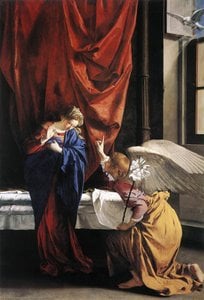
Franz Anton Maulbertsch’s “L’Annonciation,” a captivating study for a grand fresco, offers a glimpse into the vibrant Rococo world of 18th-century Austria. Completed around 1755, this work transcends mere religious depiction; it's a masterful exploration of light, emotion, and the profound significance of a pivotal moment in Christian belief. The painting, currently residing within the esteemed collections of the Louvre Museum, invites viewers into a scene brimming with grace, drama, and an almost palpable sense of divine presence.
Maulbertsch, born in Langenargen in 1724, skillfully bridged the gap between the dramatic intensity of the late Baroque and the burgeoning elegance of the Rococo. Influenced by giants like Paul Troger and the Venetian masters – particularly Piazzetta and Giovanni Battista Pittoni – he developed a distinctive style characterized by rich color palettes, dynamic compositions, and an expressive use of light and shadow. His training in Vienna provided him with a solid foundation, but it was his independent study and experimentation that truly shaped his artistic voice, allowing him to synthesize diverse influences into a uniquely personal vision.
The composition immediately draws the eye upwards towards the Archangel Gabriel, descending from the heavens in a gesture of profound respect. Maulbertsch employs a masterful chiaroscuro technique – a dramatic contrast between light and dark – to heighten the emotional impact of the scene. A radiant light source illuminates Mary’s face and the figures of Gabriel and the cherubs, casting much of the background into deep shadow. This strategic use of light not only creates depth but also emphasizes the sacredness of the event, evoking a sense of mystery and awe.
The color palette is predominantly warm, dominated by rich browns, golds, and reds, accented with touches of blue and white. Mary’s robes are rendered in deep blues, symbolizing her purity and royal status, while Gabriel's garments shimmer with gold and white, reflecting his divine nature. The muted background, a dark brown, serves to further accentuate the brilliance of the figures and create a sense of spatial recession. The artist’s meticulous layering of glazes – a hallmark of oil painting technique – contributes to the work’s luminous quality and remarkable depth.
“L'Annonciation” is, at its core, a depiction of the Annunciation, the moment when the Archangel Gabriel informs Mary that she will conceive and bear the son of God. Beyond the literal narrative, however, the painting is rich in symbolism. The dove, frequently associated with the Holy Spirit, appears between Mary and Gabriel, signifying divine grace and the promise of salvation. Mary’s posture – a mixture of surprise and contemplative acceptance – perfectly captures the gravity of the message she receives. The cherubs surrounding Gabriel further emphasize the heavenly context of this momentous event.
The painting exemplifies the key characteristics of Rococo art: its emphasis on elegance, grace, and emotional expression. Maulbertsch’s skillful use of curvilinear lines, dynamic composition, and vibrant color palette creates a visually stunning work that is both intellectually stimulating and emotionally resonant. “L'Annonciation” stands as a testament to the artist’s mastery of technique and his ability to capture the essence of a profound religious narrative within a framework of exquisite beauty. It remains a captivating example of Rococo art, offering viewers a glimpse into the artistic sensibilities of 18th-century Austria.
„L'ANNONCIATION“ – Franz Anton Maulbertsch pasižymi Elegant atmosfera ir yra rekomenduojamas Living Room. Nuotaika – tai tai, ką šis kūrinys suteikia aplinkinei erdvėje.
Dominuojantis „L'ANNONCIATION“ – Franz Anton Maulbertsch atspalvis yra Ochre to Sepia.
„L'ANNONCIATION“ – Franz Anton Maulbertsch klasifikuojamas kaip WallArt. Ši kategorija aprašo originalo kūrinio tipą.


1724 - 1796 , Vokietija
 Peržiūrėti realaus dydžio版
 Pasidalinti
 Dalintis
 Išsamiau
 Vadovas

 Atsisiųsti
 Panašūs eksponatai
 Rentgeno spindulių nuotrauka
 Automatinė diorama
 问答
问答
 Statistika

 Skaityti daugiau