Peržiūrėti realaus dydžio版 Peržiūrėti AR realybėje Perjungti į spausdinimą Pirkti rankomis tapytą reprodukciją Siųsti
Išsamiau Gidas Pridėti į mėgstamiausius Atsisiųsti Panašūs eksponatai Rentgeno spindulių nuotrauka Diaporama Statistika

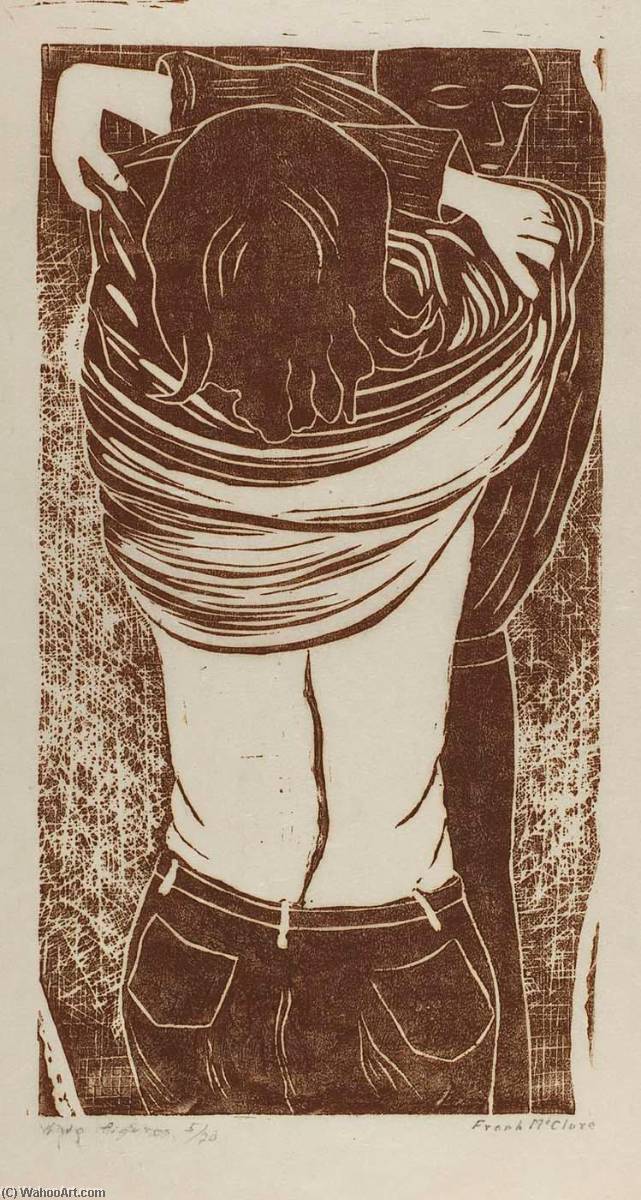
Two Figures

Explore Frank McClure's 'Two Figures,' a striking woodcut print showcasing Expressionist emotion and geometric forms. Discover intimate drama & unique style.

Explore the gritty realism of Frank McClure (1896-1979), a key figure in American Naturalism. Known for novels like 'The Octopus,' his work exposes corporate corruption & social injustice.

Įsigykite aukštos skiriamosios raiškos, patobulintą skaitmeninį vaizdą, gerokai pranašesnį už internetinę peržiūrą.

Kiekvieną failą mūsų specialistai kruopščiai paruošia naudojant pažangias technologijas ir profesionalų rankinį retušavimą. Užtikriname, kad kiekvienas vaizdas pasižymėtų išskirtiniu aiškumu, tikslia spalvų atspalviu ir smulkiomis detalėmis.

Baigiamas failas el. paštu pristatomas per 72 valandas; jis optimizuotas nedelsiant naudojimui profesionalioje, redakcinėje ir spausdinimo aplinkoje. Tai ta pati kokybė, kuria pasitiki aukščiausios klasės dizaino studijos, leidyklos ir galerijos.

Skaitmeninis vaizdas

Atsisiųskite didelės raiškos failą asmeniniam naudojimui, spausdinimui ir kūrybiniams projektams. ( Perjungti į spausdinimą Pirkti rankomis tapytą reprodukciją)

Bendra kaina

$ 24,90

Kiekvieną skaitinio vaizdo užsakymą papildė

Profesionalus skaitmeninis vaizdų pristatymas, garantuotas

Pasirinkę WahooArt.com, jūs ne tik gaunate paveikslėlį – jūs gaunate profesionaliai patobudintą skaitmeninį kūrinį, sukurtą itin tikniai ir užtikrinantį pasitenkinimą. Štai viską, kas automatiškai pritékia jūsų užsakymui:

shipping_icon
Greitas nuotraukų gavimas el. paštu

Jūsų aukštos raiškos skaitmeninis vaizdo failas bus išsiųstas el. paštu per 72 valandas nuo užsakymo – jis bus paruoštas naudoti be jokių papildomų veiksmų.

canvas_icon
Skaitmeninis failas su dirbtiniu intelektu

Jūsų meno kūrinys profesionaliai optimizuojamas naudojant pažangius dirbtinio intelekto įrankius ir rankinį redagavimą, užtikrinant maksimalią detalę, aiškumą ir spalvų tikslumą.

insurance_icon
Nemokamas visam laikui pakartotinis siuntimas

Atsitiktinai ištrytikote ar praradote savo failą? Nebijokite – bet kuriuo metu atsiųsime jį jums vėl nemokamai.

tax_icon
Jokio importo mokesčio – niekada

Mėgaukitės savo meno kūriniu akimirka – skaitiniai failai visada yra neapmokestinami, todėl nereikės mokėti muitinės, mokesčių ar pristatymo mokesčių.

color_icon
Spalvų tikslumo garantija

Naudodami profesionalią įrangą ir spalvų valdymo sistemas, užtikriname, kad jūsų skaitmeninis vaizdas kuo tiksliau atspindėtų originalias spalvas.

return_icon
100 dienų patikimumo garantija

Jei nebuvosite patenkinti įsigyto skaitmeninio vaizdo, mes jį tališkai koreguosime arba grąžinsime 100% sumą per 100 dienų – be jokių klausimų.

guarantee_icon
100% pinigų grąžinimo garantija

Nesitenkinate? Gaukite visą sumokėtą sumą per 100 dienų nuo skaitmeninio failo gavimo – be jokių papildomų klausimų.

discount_icon
Nuolaidos dideliems užsakymams

Pirkti 3 nuotraukas – 10% nuolaida – Pirkti 5 – 15% nuolaida – Pirkti 10 ir daugiau – 20% nuolaida. Puikiai tinka kūrybiniams projektams, galerijoms bei agentūroms.

Pagrindinė informacija

  • Artistic style: Expressionism
  • Notable elements or techniques:
    • Bold lines
    • Geometric shapes
    • Textured surface
  • Artist: Frank McClure
  • Title: Two Figures
  • Medium: Woodcut print

Karo viktorina

Kiekviename klausime yra tik vienas teisingas atsakymas.

Klausimas 1:
What artistic movement does this woodcut print most closely align with, given its focus on emotional intensity and simplified forms?
Klausimas 2:
Describe the dominant aesthetic characteristic of this artwork.
Klausimas 3:
What is the primary technique used to create this artwork?
Klausimas 4:
The composition's vertical orientation primarily emphasizes what aspect of the figures?
Klausimas 5:
What is a subtle symbolic element suggested by the act of pulling apart clothing in this artwork?

A Study in Intimacy: Exploring Frank McClure's "Two Figures"

Frank McClure’s “Two Figures” is a striking woodcut print that captivates with its stark beauty and profound emotional resonance. Created by the American artist (1896-1979), this piece exemplifies Expressionist sensibilities through its simplified forms, bold lines, and focus on conveying raw emotion rather than photographic realism. The monochromatic palette of deep browns amplifies the sense of quiet drama, drawing the viewer into an intimate moment between two individuals.

Style & Technique: The Power of Woodcut

The artwork’s power lies significantly in its chosen medium – woodcut printing. This technique, dating back centuries, involves carving a design into a block of wood and then inking and pressing it onto paper. McClure masterfully utilizes the inherent qualities of woodcut to create a visually arresting image. The thick lines characteristic of the process define the figures with decisive strokes, while the raised areas on the surface impart a tactile quality that invites closer inspection. The deliberate flatness of the composition, lacking distinct shadows or realistic perspective, contributes to its graphic strength and emphasizes the emotional core of the scene.

Subject & Symbolism: Vulnerability and Connection

“Two Figures” depicts an intimate embrace between two individuals, seemingly in a moment of vulnerability. The act of pulling apart clothing is particularly intriguing; it could symbolize a struggle, a tender exploration, or perhaps even a fleeting sense of exposure. The vertical orientation of the print reinforces the closeness and potential confinement within their relationship. While McClure doesn't offer explicit narrative details, the composition evokes feelings of tenderness, longing, and quiet intensity. The absence of background detail further concentrates attention on the figures themselves, amplifying their emotional connection.

Historical Context & Artistic Influences

While specific information about this particular work’s creation is limited, McClure's broader artistic context provides valuable insight. He was associated with American Naturalism, a movement that sought to depict life realistically and often focused on social issues. While "Two Figures" doesn't directly address social commentary, it shares the Naturalist interest in portraying human experience with honesty and directness. The Expressionistic style also reflects early 20th-century artistic trends that prioritized emotional expression over objective representation. Interestingly, research reveals connections to artists like Frank Helmuth Auerbach, known for his expressive portraits, suggesting a shared exploration of human emotion through simplified forms.

Emotional Impact & Collector Appeal

“Two Figures” is more than just an image; it’s an experience. The artwork's quiet drama and emotional resonance linger long after viewing. Its monochromatic palette and graphic style lend themselves to a variety of interior design settings, from modern minimalist spaces to more traditional homes seeking a touch of understated sophistication. For art collectors, this piece represents a compelling opportunity to own a work by an artist known for his insightful portrayals of human experience, rendered with striking technical skill in the expressive medium of woodcut.


Autoriaus biografija

The Soul of the American Landscape: The Life and Vision of Frank McClure

Frank McClure (1896-1979) remains a singular, evocative figure in the tapestry of American art, a creator whose work bridged the visceral realities of American Naturalism with the burgeoning emotional depths of Abstract Expressionism. Born in Lafayette, Indiana, McClure’s early years were steeped in the dualities of the American heartland—a landscape where the serene beauty of nature often collided with the grit and upheaval of a rapidly industrializing nation. This profound sensitivity to the tension between the pastoral and the industrial became the heartbeat of his creative journey, allowing him to capture not just the surface of the world, but its underlying psychological tremors.

His artistic development was never a linear path but rather an evolving dialogue with medium and emotion. While he achieved significant renown through his literary endeavors—notably his masterful studies of human psychology in prose—his true visual legacy lies in his ability to translate complex social and internal landscapes into tangible forms. McClure’s work emerged from the intellectual ferment of the early 20th century, absorbing the shadows of Surrealism and the psychological weight of Jungian theory, yet he always maintained a grounded, tactile connection to the physical world.

Mastery of the Woodcut and the Language of Form

Perhaps nowhere is McClure’s genius more evident than in his groundbreaking exploration of woodcut printmaking. In this demanding, subtractive medium, he found a way to mirror the ruggedness of the human condition. Unlike the fluid spontaneity of a brushstroke, the woodcut requires a deliberate, forceful carving that echoes the very themes of struggle and resilience present in his subject matter. He developed a distinctive style characterized by:

  • Bold Geometric Forms: Utilizing simplified shapes to strip away unnecessary ornamentation and focus on the structural essence of his subjects.
  • Emotional Linearity: Employing thick, decisive lines that convey raw emotion and a sense of quiet drama, particularly evident in works like "Two Figures."
  • Monochromatic Depth: Using limited palettes to amplify the starkness of his compositions, creating an atmosphere of intimacy or profound isolation.

This mastery extended into his paintings and watercolors, where he could pivot from the heavy, graphic strength of printmaking to the ethereal, atmospheric qualities seen in works such as "Lavender Piano" or the tranquil, snowy vistas of "Full Moon." In doing so, he proved himself a versatile chronicler of both the monumental and the minute.

A Legacy of Emotional Resonance and Social Truth

The historical significance of Frank McClure lies in his refusal to retreat into mere sentimentality. Whether he was exploring the corrosive effects of societal pressure through his literary lens or capturing the haunting beauty of a riverside town in "Curved Street," his work always sought a deeper truth. He stood at a pivotal crossroads in art history, acting as a bridge between the gritty realism of the Naturalist movement and the abstract, emotive explorations of the post-war New York School.

Though he may not always occupy the same immediate spotlight as the canonical giants of Abstract Expressionism like Pollock or Rothko, McClure’s contribution is indispensable. He provided a vital link, demonstrating how the heavy, physical labor of printmaking and the observational rigor of Naturalism could feed into the profound, non-representational emotional landscapes of the modern era. His life's work remains a testament to the power of art to confront the harshness of reality while simultaneously seeking the sublime beauty hidden within it.

frank mcclure

frank mcclure

1896 - 1979

Pagrindinė informacija

  • Artistic Movement Or Style: American Naturalism
  • Artists Or Movements Influenced By This Artist: ['Abstract Expressionism']
  • Artists Who Influenced This Artist: ['Norris, Frank']
  • Date Of Birth: 1896
  • Date Of Death: 1979
  • Full Name: Frank McClure
  • Nationality: American
  • Notable Artworks: ['Two Figures']
  • Place Of Birth: Lafayette, IN