Gaukite spausdinimui paruoštą failą, kurio kokybė gerokai viršija internetinę peržiūrą. Kiekvienas mūsų parduodamas skaitmeninis vaizdas yra ištrauktas iš aukštos raiškos pagrindinio failo mūsų duomenų bazėje — paprastai jis siekia nuo 5 000 iki 15 000 pikselių plotio — todėl galite drąsiai spausdinti didelius formatus, apkirpti vaizdą ar reprodukcija užtikrins visas smulkias detales.
Mūsų studijoje nė viena kopija nelieka neapdorota. Skaitmeninio vaizdo ekspertas, lygiu su originaliu paveikslu, patikrina spalvas ir, jei reikia, jas koreguoja, o tada profesionaliais retušavimo įrankiais padidina aiškumą bei detales — visada išlaikydamas ištikimybę autoriaus teptuko traukoms ir stiliui. Rezultatas – vaizdas, kuris atrodo kaip tikras paveikslas, o ne kaip su filtrais apdorotas skenavimas.
Patvirtinate prieš užsakymo pabaigą: mūsų ekspertas per 72 valandas el. laišku atsiųsta vaizdą jūsų peržiūrai. Nepasitenkinate rezultatu? Paprašykite patobulinimų ar pataisymų arba prašykite pinigų grąžinimo, jei kokybė neatitinka jūsų lūkesčių.
Ši kokybė yra patikima leidybos įstaigoms, dizaino studijoms, galerijoms ir spaudos įmonėms.
Atsisiųskite didelės raiškos failą asmeniniam naudojimui, spausdinimui ir kūrybiniams projektams. ( Perjungti į spausdinamus版作品 Pirkti rankų darbo tapybą)
Pasirinkę WahooArt.com, jūs ne tik gaunate paveikslėlį – jūs gaunate profesionaliai patobudintą skaitmeninį kūrinį, sukurtą itin tikniai ir užtikrinantį pasitenkinimą. Štai viską, kas automatiškai pritékia jūsų užsakymui:
Jūsų aukštos raiškos skaitmeninis vaizdo failas bus išsiųstas el. paštu per 72 valandas nuo užsakymo – jis bus paruoštas naudoti be jokių papildomų veiksmų.
Jūsų meno kūrinys profesionaliai optimizuojamas naudojant pažangius dirbtinio intelekto įrankius ir rankinį redagavimą, užtikrinant maksimalią detalę, aiškumą ir spalvų tikslumą.
Atsitiktinai ištrytikote ar praradote savo failą? Nebijokite – bet kuriuo metu atsiųsime jį jums vėl nemokamai.
Mėgaukitės savo meno kūrynu be jokių muitinės mokesčių, įkainų ar pristatymo išlaidų – skaitiniai failai visada yra neapmokestinami.
Naudodami profesionalią įrangą ir spalvų valdymo sistemas, užtikriname, kad jūsų skaitmeninis vaizdas kuo tiksliau atspindėtų originalias spalvas.
Jei nebuvosite patenkinti įsigyto skaitmeninio vaizdo, mes jį tališkai koreguosime arba grąžinsime 100% sumą per 100 dienų – be jokių klausimų.
Nesitenkinate? Gaukite visą sumokėtą sumą per 100 dienų nuo skaitmeninio failo gavimo – be jokių papildomų klausimų.
Pirkti 3 nuotraukas – 10% nuolaida – Pirkti 5 – 15% nuolaida – Pirkti 10 ir daugiau – 20% nuolaida. Puikiai tinka kūrybiniams projektams, galerijoms bei agentūroms.
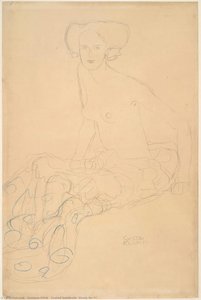
François Auguste René Rodin's "Nude," rendered in charcoal on paper, isn't merely a depiction of the human form; it’s a profound exploration of posture, emotion, and the delicate balance between strength and vulnerability. Dating from an unknown period within Rodin’s prolific career – likely spanning the late 19th century – this drawing offers a rare glimpse into the artist’s process, revealing a figure far removed from the grand, heroic sculptures that would later cement his fame. It's a work born not of monumental commission but of intimate observation and a deep engagement with the subtleties of human expression.
The subject herself is presented in a remarkably relaxed yet subtly tense pose. She’s seated, her body gently curved inward, suggesting both introspection and a quiet reserve. The lines of her spine flow organically, mirroring the gentle curve of her torso – a deliberate choice that emphasizes fluidity and suppleness. Rodin masterfully captures the weight of her form, hinting at underlying musculature without resorting to overt anatomical detail. This restraint is key to the drawing’s power; it invites the viewer to complete the image, filling in the gaps with their own interpretations and emotions.
Rodin’s technique here is characterized by a remarkable sensitivity to texture and tone. The charcoal isn’t applied with harsh, decisive strokes but rather layered and smudged, creating a rich, almost velvety surface. Notice the subtle gradations of grey – from deep shadows that pool around the limbs and torso to lighter washes that define the contours of her face and shoulders. This masterful manipulation of value is crucial to the drawing’s sense of depth and volume. The artist utilizes stumping, a technique involving smudging graphite with a tool, to subtly model the body by blending the contour lines, likely with his finger, while leaving the chemise starkly unrendered.
The choice of paper itself contributes significantly to the artwork’s aesthetic. Its textured surface – heavily emphasized in the photograph – provides a tactile counterpoint to the smooth curves of the figure. The slightly rough quality of the paper grounds the image, preventing it from feeling overly polished or idealized. It speaks to Rodin's preference for working with materials that allowed him to capture the essence of his subject rather than simply replicating its appearance.
To understand “Nude,” we must consider Rodin’s broader artistic trajectory. Initially trained as a decorative stonemason, he quickly moved beyond mere craftsmanship, developing a revolutionary approach to sculpture that prioritized emotional expression and psychological depth. Unlike the idealized forms of classical sculpture, Rodin sought to capture the raw, unfiltered reality of human experience – its joys, sorrows, and vulnerabilities. This drawing exemplifies this shift, moving away from grand narratives towards intimate studies of individual figures.
It’s believed that these preparatory drawings served multiple purposes for Rodin: they acted as records of his sculptures, assisting printmakers in creating accurate illustrations; they functioned as personal practice pieces, allowing him to refine his understanding of form and gesture; and, perhaps most importantly, they provided a space for him to explore the emotional complexities inherent in depicting the human body. The fact that this particular drawing depicts a feminine nude suggests an exploration of themes related to femininity, sensuality, and introspection – subjects frequently explored by Rodin throughout his career.
Beyond its technical merits, “Nude” resonates with profound symbolic meaning. The pose itself—a woman leaning inward, a gesture of both vulnerability and self-awareness—evokes feelings of quiet contemplation and perhaps even melancholy. The lack of overt narrative or symbolism allows the viewer to project their own emotions onto the figure, creating a deeply personal connection. It’s not simply a representation of a body; it's an invitation to consider the complexities of human experience – the beauty, the fragility, and the enduring search for meaning.
Rodin’s “Nude” stands as a testament to his artistic genius—a poignant study in form, emotion, and the enduring power of charcoal. It offers a rare glimpse into the creative process of one of art history's most influential sculptors, inviting us to contemplate the beauty and vulnerability inherent within the human condition.
Bendrąją „Nude“ – Ogistas Rodenas nuotaiką apibrėžia Calm. Ši nuotaika atspindi bendrą kūrinio atmosferą.
Norėdami užsisakyti „Nude“ – Ogistas Rodenas spausdinį, tiesiog jį užsisakykite puslapio Kūrinio spausdinimas aukščiausia kokybe skiltyje: aukščiausios kokybės spausdinys ant medžio siuvinėjamų audinių arba archyvinio kanvas tipo popieriaus.
Dėl „Nude“ – Ogistas Rodenas yra prieinama Informacinė medžiaga puslapio: spausdinamas informacinis lapelis apie kūrinį, skirtas studentams ir mokomajamiam procesui klasėje.


1840 - 1917 , Prancūzija
 Peržiūrėti realaus dydžio版
 Pasidalinti
 Dalintis
 Išsamiau
 Vadovas

 Atsisiųsti
 Panašūs eksponatai
 Rentgeno spindulių nuotrauka
 Automatinė diorama
 问答
问答
 Statistika

 Skaityti daugiau