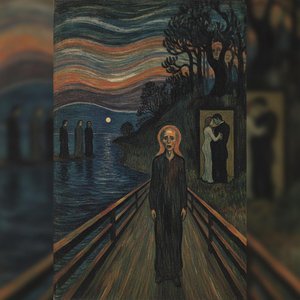
Tamsos ir Išpažinimo Simfonija: Fransis Bekonas
Fransis Bekonas (1909–1992) – neeilinis figūrinės tapybos kūrėjas, kurio pavardė sinonimiškai susijusi su XX amžiaus meninės ekspresijos žiauriausia emocionalių virsmų išraiška. Gimusis Dubline, Airijoje, jo meno siela atrado tikrąjį savo atspindį po Antrojo pasaulinio karo apimtoje Didžiosios Britanijos sumuštinėje atmosferoje. Jo ankstyvieji metai buvo toli gražu stabilūs; dažni persikėlimai dėl motinos sveikatos įskiepijo jam dislokacijos jausmą, kuris giliai paveikė jo pasaikožią ir galiausiai prasiskverbė per visus jo drobeles. Sudėtingas santykis su griežtu tėvu ir artimas ryšys su globėja Džeši Laitfutu dar labiau spalvino jo formavimo emocinį kraštovaizdį. Iš pradžių traukęs arklių lenktynėms ir lošimų gyvenimui, Bekonas pasimetė per įvairius darbus prieš galiausiai paskyręs save tapybai savo vėlyvoje jaunystėje – atidėtas startas, kuris galbūt sustiprino jo vėlesnio darbo skubumą ir intensyvumą. Jis nebuvo formaliai apmokytas, o išpildė savadarbi kelią, įsisavindamas įtakas iš įvairių šaltinių ir sukūręs unikalų, nerimą keliančią vizualinę kalbą.
Ankstyvos Įtakos Katilas
Bekono meninis pabudimas nebuvo tiesioginis, bet greičiau įspūdžių palaipsninis kaupimasis. Pablo Pikaso darbai, ypač jo ankstyvojo kubizmo figūrų iškreipimai, pasirodė esantys kertiniai akmenys, kurie išlaisvino jį nuo tradicinio atvaizdo. Jis rado tolesnę įkvėpimą Egon Schiele baisiose fotografijose, kurių išraiškingi žmogaus formos iškreipimai atitiko Bekono pačio kylantį susidomėjimą egzistavimo trapumu ir pažeidžiamumu. Tačiau būtent Sergejaus Eisenšteino filmo *Laivagėlės beprotybė* atsitiktinis susitikimas suteikė esminį katalizatorių. Filmo visceralumas, ypač šaujančio veido artimasis planas, tapo patvariu Bekono darbų motyvu, reprezentacijoje pirminio teroro ir žmogaus kančios gelmių. Jis taip pat giliai garbingas Senojo meistrų, būtent Diego Velazquezo, kurį garsiai perinterpretuos visą savo karjerą, pavertęs autoritarišką popiežiaus figūrą sutrikusia regimuoju vaizdu. Šios įtakos nebuvo tiesiog stilistinių perkėlimų; jos buvo įsisavintos ir transformuotos per Bekono unikalų pojūtį, sukuriant meninę viziją, kuri buvo tiek giliai asmeniška, tiek visuotinai atgarsėjanti.
Unikalios Stilistikos Formavimas: Iškreipimai ir Izoliacija
Bekono proveržis įvyko su *Trys studijos prie kryžiaus pado* (1944), kūriniu, kuris sukėlė šoką ir susižavėjimo bangas pokario Londone. Ši triptych'as nustatė jo unikalų stilių – iškreiptos, fragmentizuotos figūros izoliuotos uždusinančiose erdvėse. Tai nebuvo religinio kančios vaizdavimas, bet greičiau žmogaus sielvartavimo visceralūs tyrimai, nuoginti nuo bet kokio patogumo naratyvo ar dvasinės palaimos. Jo paveikslai dažnai pasižymi išblausėjusiais arba tirpstanti formomis, perteikiančiomis psichologinį sukrėtimą ir fizinį pažeidžiamumą. Jis dažnai naudojo geometrines struktūras – narvai, dėžes – kad apribotų savo subjektus, pabrėždamas jų izoliaciją ir bejėgiškumą. Bekono paletė paprastai buvo niūrūs ir sodrumi atspalviai, atspindintys tamsias temas, kurias jis tyrė, nors ir suintensyvintos ryškių spalvų pliūksniais, kurie sustiprino emocinį poveikį. Šių narvai nenaudojami tik kaip kompoziciniai prietaisai; jie simbolizuoja žmogaus egzistencijai įtvirtintus vidinius apribojimus ir ribas. Jis siekė užfiksuoti ne tiek *ką* atrodo dalykai, kiek *kaip jie jaučiasi*, verčiant nerimo, baimės ir nevilties vidaus būsenas ant drobės su brutalumu.
Mirties, Sielvartavimo ir Žmogaus Būties Temos
Visos savo gilios karjeros metu Bekonas kartojosi grįždamas prie tam tikrų motyvų: kryžiaus kaip kančios simbolio; portretų, kurie tyrė jo subjektų psichologinį intensyvumą, dažnai draugų ir mylimųjų, tokių kaip Džordžas Dajeris; ir savęs portretų, kurie tarnavo introspektyviems tapatybės ir mirtingumo tyrimams. Jo *Studija pagal Velazquezo „Popiežiaus Inocent X“ portretą* (1953) serija yra vienas iš jo ikoniskiausių pasiekimų, pavertęs Velazquezo solidžius portretus šaujančiu vaiduokliu, įkūnijusiu egzistencinį siaubą. Džordžas Dajeris, jo nepastovus mylimasis, portretai yra ypač jaudinantys, užfiksuojantys tiek jų ryšio intensyvumą, tiek artėjančios tragedijos šešėlį. Bekono darbai nebuvo apie konkrečių asmenų vaizdavimą; tai buvo apie universalių žmogaus pažeidžiamumo, izoliacijos ir mirties neišvengiamybės temų tyrinėjimą. Jis nesitraukė nuo egzistencijos tamsesnių aspektų, bet priešingai – susidūrė su jais tiesiogiai, priversdamas žiūrovus susidurti su savo pačių mirtingumu ir nerimu.
Pavelės Palikimas: Konvencijų Iššūkio
Fransis Bekono įtaka XX amžiaus menui neabejotinai yra didelė. Jis išbandė tradicinius atvaizdo principus, atsisakydamas idealizuotos grožio ir pasirinkdamas žiaurų, beprotišką žmogaus būklės vaizdavimą. Jo darbai giliai paveikė daugybę menininkų kartų, atverdami naujų išraiškos formų ir iššaukdami tradicinius meno ribus.
- Pokario ekspresionizmas: Bekonas laikomas šio judėjimo pagrindiniu veikėju, paveikdamas menininkus savo drąbiu stiliumi ir psichologine gyliu.
- Aukcionų rekordai ir muziejų parodos: Jo paveikslai toliau komandomi dideliais kainomis aukcionuose ir eksponuojami visame pasaulyje esančiuose pagrindiniuose muziejuose, įtvirtinant jo vietą meno istorijoje.
- Susidūrimas su tiesa: Bekono palikimas slypi jo gebėjime susidurti su nepatogiomis žmogaus egzistencijos tiesomis ir versti tuos patyrimus į galingus ir nepamirštamus vaizdus.
Nepaisant sudėtingo asmeninio gyvenimo, pažymėto lošimais, gėrimu ir sudėtingais santykiais, jis išliko atsidavęs savo menui iki mirties 1992 metais. Jis paliko kūrinių rinkinį, kuris ir šiandien sužadina žiūrovus, primindamas mums egzistencijos trapumą



 Peržiūrėti realaus dydžio版
 Pirkti rankomis tapytą reprodukciją
 Siųsti
 Dalintis
 Išsamiau
 Vadovas

 Atsisiųsti
 Panašūs eksponatai
 Rentgeno spindulių nuotrauka
 Diaporama
 Statistika

 Rodyti daugiau






































 Stiklo variantas prieinamas tik pasirinkus dydį iki 110 cm