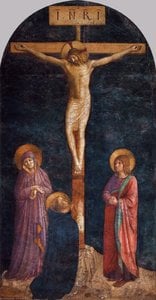
A Renaissance Vision of Grace: The Annalena Altarpiece
This breathtaking altarpiece by Fra Angelico, created in the early 1430s, is a quintessential example of Early Renaissance devotional art. It presents the *Virgin and Child enthroned*, surrounded by a carefully selected group of saints – a composition that beautifully balances spiritual depth with human tenderness. More than just a painting, it’s an invitation to contemplation, designed to uplift the spirit and foster a profound connection with the divine.
Historical Context & Medici Influence
Commissioned for the chapel of Saints Cosmas and Damian within Florence's Basilica di San Lorenzo, the altarpiece emerged during the vibrant artistic flowering of Quattrocento Florence. The patronage of Cosimo de’ Medici was crucial to its creation. De’ Medici, a rising power who would become *de facto* ruler, recognized Angelico’s unique ability to infuse religious imagery with grace and emotional resonance. This commission reflects the Medici family's commitment to both piety and artistic innovation – hallmarks of their influence during this period. The altarpiece was conceived as part of a larger decorative program for the chapel, intended to create a sacred space dedicated to worship and reflection.
Artistic Style: Bridging Tradition & Innovation
Fra Angelico’s style is instantly recognizable – characterized by its delicate beauty, luminous colors, and an almost ethereal quality. While deeply rooted in Byzantine iconography—evident in the gold backgrounds and stylized figures—he skillfully integrates emerging Renaissance principles. Notice the subtle attempts at perspective, creating a sense of depth despite the still somewhat flattened space. The saints are not static icons but possess individual expressions and gestures that convey their devotion. Angelico’s use of oil paint – relatively new to Italy at the time – allowed for greater detail, richer colors, and nuanced gradations of light and shadow compared to traditional fresco or tempera techniques, enhancing the painting's vibrancy and emotional impact.
Decoding the Symbolism
Every element within the altarpiece carries symbolic weight. The *Virgin Mary*, seated on a throne-like chair, embodies both earthly motherhood and heavenly queenship. The *Christ Child*, held protectively in her arms, represents salvation and divine grace. Flanking Mary are *Saints Cosmas and Damian*, patron saints of physicians – fitting for a chapel potentially serving the medical community. Below, in the predella (the lower register), stand further saints: *Zenobius*, Florence’s first bishop; *Reparata*, a local saint venerated for her purity; *John the Baptist*, a precursor to Christ; and *Lawrence*, a deacon martyred for his faith. Their inclusion is deliberate, reinforcing themes of healing, protection, and spiritual devotion relevant to the chapel's purpose and the Medici family’s piety.
Emotional Resonance & Lasting Legacy
Beyond its technical brilliance and symbolic richness, this altarpiece possesses a remarkable emotional power. The gentle expressions on Mary and Jesus’ faces evoke feelings of tenderness, compassion, and serenity. The saints gaze upon them with reverence and adoration, creating an atmosphere of profound spiritual connection. This ability to convey such deep emotion through paint is what sets Fra Angelico apart as one of the most beloved artists of the Early Renaissance. The work continues to inspire awe and devotion centuries after its creation, a testament to the enduring power of faith and artistic vision.
Key Features for Collectors & Designers
- Subject Matter: A classic depiction of the Virgin and Child with attendant saints, ideal for devotional settings or spaces seeking a sense of tranquility.
- Color Palette: Rich reds, blues, greens, and golds create a visually stunning composition that complements various interior styles.
- Style & Period: Early Renaissance – a timeless aesthetic that blends religious iconography with emerging artistic techniques.
- Emotional Impact: Evokes feelings of peace, serenity, and spiritual contemplation.
- Ideal for: Churches, chapels, private devotional spaces, or as a focal point in interiors seeking a touch of Renaissance elegance.



 Peržiūrėti realybėje
 Pirkti rankomis tapytą paveikslą
 Pasidalinti
 Dalintis
 Išsamiau

 Atsisiųsti
 Panašūs eksponatai
 Rentgeno nuotrauka
 Automatinė diorama
 Statistika

 Skaityti daugiau






































 Stiklo variantas prieinamas tik pasirinkus dydį iki 110 cm