Šiame puslapyje rodomas meno kūrinys yra saugomas autorių teisių įstatymais, todėl neturime teisės legaliai kurti ar parduoti jo identiškos reprodukcijos. Ši apsauga užtikrinama remiantis tokiais tarptautiniais susitarimais kaip Bernės konvencija ir pagal nacionalines įstatymų nuostatas, įskaitant tas, kurias nurodo JAV autoriškos teisės įstatymas – 17-asis skyrius.
Šis metodas visiškai atitinka autorių teises, nes jame nėra saugomo kūrinio kopijavimo ar dubliavimo. Tai yra kūrybinė reinterpretacija – naujas paveikslas, kurį įkvėpė originalas, tačiau kuris nėra jo identiškas.
Muziejų lygio „giclée“ arba drobos spausdinimas: greita gamyba ir lankstios apdailos parinktys. ( Pirkti rankų darbo tapybą Perejti prie skaitmeninių vaizdų)





























Pasirinkite iš mūsų nustatytų dydžių, atitinkančių originalaus meno kūrinio proporcijas.

Įveskite jums reikiamą plotį ir aukštį, kad atvaizdas derėtų prie jūsų rėmo ar sienos. Spausdiną galima tik sumažinti, bet nepadidinti virš originalaus paveikslėlio dydžio, todėl keičiant proporcijas, dalis vaizdo prarandama. Prieš spausdinimą atsiųsime jums skaitmeninį maketą patvirtinimui. Šioje puslapio nuotraukoje matomas pjūvis nėra tikslus – jį rodo tik maketas.
Pristatymas visame pasaulyje () per 2 weeks, o ne įprastas 4/5 savaičių laikotarpis. (10 lapkritis)
Moda
Reprodukcijos matmenys
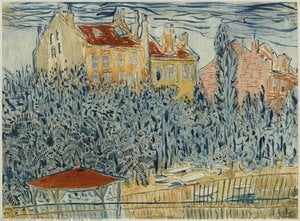
In the evocative work Moda, the viewer is transported into a stylized, dreamlike vision of a Parisian streetscape, captured through the sensitive and expressive lens of Fikret Muallâ Saygı. The composition presents an architectural dance of steeply pitched roofs and dormer windows, rendered with a rhythmic, almost calligraphic quality that suggests the bustling energy of urban life without ever succumbing to mere realism. Through a masterful use of layering, the artist creates a sense of verticality and depth, inviting the eye to wander through the overlapping silhouettes of buildings that seem to rise from a misty, atmospheric foundation. It is a scene that feels both intimately familiar and hauntingly distant, as if glimpsed through the fleeting memory of a traveler passing through the heart of France.
The technical execution of Moda reveals a profound command over the delicate medium of watercolor combined with the precision of pen and ink. The artist employs loose, expressive washes that bleed into one another, creating a soft, diffused light reminiscent of an overcast Parisian afternoon. This fluidity is brilliantly contrasted by bold, dark outlines that define the edges of the architecture and the organic shapes of urban foliage. The color palette is a sophisticated study in temperature; cool blues and deep greens dominate the landscape, providing a serene, melancholic backdrop that is punctuated by sudden, spirited accents of warm red and orange. This interplay of light and shadow, combined with a slightly grainy texture achieved through dry brush techniques, lends the piece an almost tactile, weathered quality that enhances its Post-Impressionistic charm.
To understand the emotional resonance of Moda, one must look toward the turbulent and brilliant life of Fikret Muallâ Saygı. A central figure in the Turkish avant-garde movement, Saygı’s work is deeply intertwined with his personal journey through the streets of Paris and his own internal struggles. His fascination with the social fabric of the city—the cafés, the circuses, and the spontaneous gatherings—is distilled here into a singular, atmospheric moment. The painting transcends simple landscape art; it becomes a symbolic representation of the tension between the structured permanence of urban architecture and the ephemeral, reclaiming nature of the greenery interspersed throughout the scene. There is a palpable sense of nostalgia and emotional depth in every stroke, reflecting an artist who found beauty within the chaos of existence.
For the discerning collector or interior designer, Moda offers more than just aesthetic appeal; it provides a sophisticated focal point that brings a sense of history and intellectual intrigue to any space. The artwork’s ability to balance cool, calming tones with energetic linework makes it an ideal addition to modern, minimalist, or classical interiors alike. As a high-quality reproduction, this piece serves as a window into the soul of early 20th-century expressionism, offering a timeless elegance that celebrates the enduring allure of the Parisian spirit and the profound legacy of one of Turkey's most captivating masters.
Driftwood (#857244) yra pagrindinė kūrinio „Moda“ – Fikretas Muallâ Saygı spalva.
„Moda“ kūrybinę vadovavo Fikretas Muallâ Saygı, gimęs/usi Turkija, remiantis Post-Impressionism stiliaus tendencijomis. Kūrėjo kilmė sujungia šį kūrinį su Post-Impressionism kryptimi, kurios atstovai iš Turkija taip pat laikosi.
„Moda“ – Fikretas Muallâ Saygı yra vis dar saugoma autorineje teisėje. Autorinės teisės galioja nuo mirties metų, kai šis kūrėjas mirė 1967 m.


1903 - 1967 , Turkija

Atraskite impresionizmo ir postimpresionizmo šviesos bei emocijų magiją. WahooArt siūlo aukščiausios kokybės rankų darbo aliejinius šedevrus, atkurdančius didžiųjų meistrų stilių. Profesionalus meno konsultavimas ir prabangi tapyba jūsų išskirtiniam interjerui.

Explore the vibrant evolution of Post-Impressionism. From Seurat's revolutionary Pointillism to the emotional depth of masters, discover how this movement redefined modern art history through color, structure, and unparalleled creative expression.

Discover the ethereal beauty of watercolor through an art-historical lens. Master the delicate balance of light, fluidity, and pigment to capture the luminous essence of nature, inspired by the legendary techniques of the Old Masters and Impressionist greats.

Explore the transformative era of Post-Impressionism. Discover how masters like Cézanne and Matisse revolutionized color and form, moving beyond Impressionism to shape modern art history through structural innovation and expressive emotion.
 Peržiūrėti realaus dydžio版
 Pasidalinti
 Dalintis
 Išsamiau
 Vadovas

 Atsisiųsti
 Panašūs eksponatai
 Rentgeno spindulių nuotrauka
 Automatinė diorama
 问答
问答
 Statistika


 Skaityti daugiau









 Stiklo variantas prieinamas tik pasirinkus dydį iki 110 cm