Autoriaus biografija
Fernand Léger: Mašinos Amžius Ant Drobelės
Josefas Fernanas Anri Ležė, gimęs 1881 m. vasario 4 d. nuošaliame Argentano miestelyje Normandijoje, Prancūzijoje, buvo menininkas, kurio kūryba atspindi ir apibūdina modernumo erą – mechanizacijos, industrializacijos ir naujų technologijų triumfo laikotarpį. Jo kelionė nuo kaimo vaikystės iki Paryžiaus avangardo sūnaus yra įkvepiantis pasakojimas apie meninę viziją ir neprilygstančią norą užfiksuoti šiuolaikinio pasaulio esmę. Skirtingai nuo daugelio savo to laikmečio kolegų, kurie abstrakciją suprato kaip pabėgimą nuo realybės, Ležė siekė integruoti modernumą – jo dinamiką, mechaninius motyvus ir pačią širdį – į naują vizualinę kalbą, kuri būtų kartu stipriai abstrakti ir giliai įsišakniusi pastebimame pasaulyje. Jo ankstyvieji metai, praleisti dirbant ūkininkų darbus, suteikė jam tvirtą pagrindą, kontrastuodami su industrializuota ateitimi, kurią jis taip aistringai vaizdavo.
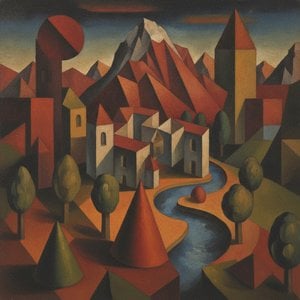
Ležės ankstyvoji karjera buvo pažymėta tradiciniu akademiniu lavinimu, tačiau tik susidūrus su Paulio Sezano darbais prasidėjo tikras transformacijos procesas. Sezanas išlaisvino Ležę nuo įprastos reprezentacijos ir paskatino jį labiau geometriniu ir struktūriniu požiūriu. Jis pradėjo demontuoti formas, analizuodamas jų vidinę struktūrą ir vėliau jas atstatydamas ant drobės su nauja dėmesio tvirtumui ir tūriui. Šis tyrimas greitai įtraukė jį į kubizmo orbitą, tačiau Ležė nenusprendė tiesiog kopijuoti Pikaso ar Brako stilių. Jis sukūrė savo unikalų stiliumi – asmeninę kubizmo formą, kurią kritikai juokais pavadino „tubizmu“. Pasižymintis cilindrinėmis formomis, plokščiais paviršiais ir ryškiais spalvų kontrastais, tubizmas šventė mechanikos estetiką dar prieš tai tapus plačiai paplitusia menine tendencija. Tai buvo meno kūrimas, įkvėptas besivystančio pramoninio pasaulio, atrandantis grožį jo funkcinėse formose ir mechaniniuose ritmuose. Šis laikotarpis parodė Ležės aktyvų dalyvavimą avangardinėje scenoje, susijungiant su tokiais menininkais kaip Žanas Metzingeris, Enri Le Fokonjė, Fransua Pikabija ir Marcelis Diušanas Puteaux grupėje, žinomą kaip Aukso skyrius. Grupė tyrė matematikos harmonijos ir proporcijų principus, siekdama įkvėpti savo menui tvarkos ir racionalumo jausmą.
Pasaulinis Karas, Mechanizmas ir Nauja Estetika
Pasaulio Pirmojo karo protrūkis giliai paveikė Ležės gyvenimą ir kūrybą. Tarnybos fronte nuo 1914 iki 1916 metų atvėrė jam brutalios modernaus karo realybės – artilerijos apšaudų, oro mūšių ir mechanizuoto konflikto dezumanizavimo – akis. Ši patirtis nevedė prie nusivylimo ar atsisakymo nuo modernumo; priešingai, ji sustiprino jo susidomėjimą mašinomis ir jų galia. Egzaminai, sukaupti tarnybos metu, dokumentavo šiuolaikinės technologijos lakonišką grožį, paversdami sunaikinimo prietaisus meninės kontempliacijos objektais. Grįžęs į civilinę gyvybę, Ležės estetika patyrė dar vieną evoliuciją. Jo paveikslai pradėjo atspindėti srautines mechanines nuotaikas, švenčiant pramoninio pasaulio dinamiką ir efektyvumą. *Karas su rūku* (1916) puikiai iliustruoja šį poslinkį, parodydamas supaprastintas formas ir ryškias spalvas, kurios sukelia mechaninės tikslumo jausmą. Tai nebuvo tiesiog estetinio pasirinkimo klausimas; tai buvo filosofinis pareiškimas – patvirtinimas modernumo potencialo progresui ir atsinaujinimui net po žiaurios konfrontacijos.
Palikimas ir Pastovi Poveikis
Vėlesniais metais Ležė toliau tyrė meno ir pramonės sankirtą, sukūręs darbus, kurie šventė modernų gyvenimą su unikalus abstrakcijos ir figūratyvumo derinimu. Jo *Animuoti kraštovaizdyčiai* (1921) serijoje figūrėlės ir gyvūnai sklandžiai integruojami į srautines kompozicijas, sutepdamos ribas tarp organinių ir neorganinių formų. Jis taip pat eksperimentavo su skulptūra ir kino kūrimu, išplėsdamas savo meninę praktiką už tradicinio tapymo ribų. Ležės poveikis paskesnėms kartoms menininkų yra neatsiejamas. Jo ryški formų supaprastinimas, pramoninių vaizdų priėmimas ir populiariosios kultūros šventimas anksčiau nei kiti numatė Pop Art atsiradimą dešimtmečius vėliau. Tokie menininkai kaip Roy Lichtenstein ir Andy Warhol aiškiai skolingis Ležės pionieriškam darbui. Jis užpildė tarpą tarp abstraktaus meno ir figūratyvios reprezentacijos, parodydamas, kad galima sukurti darbus, kurie yra tiek intelektualiai griežti, tiek vizualiai patrauklūs. Šiandien Ležės paveikslai saugomi didžiausiuose muziejuose visame pasaulyje, įskaitant Musée d'Art et d'Histoire Prancūzijoje ir Musée National Fernand Léger, skirtą tik jo darbams. Jis išlieka 20-ojo amžiaus meno titanu – vizionieriumi, kuris drįso rasti grožį mašinos amžiuje ir perkelti jo energiją ant drobės nepriekaištingu ryžtu ir originalumu. Jo palikimas yra ne tik kaip tapytojo, bet ir modernumo pranašo. Tiesą sakant, pionierius, kurio darbai iki šiol sužadina auditoriją visame pasaulyje.



 Peržiūrėti realaus dydžio版
 Perjungti į spausdinamus版作品
 Pasidalinti
 Dalintis
 Išsamiau
 Vadovas

 Atsisiųsti
 Panašūs eksponatai
 Rentgeno spindulių nuotrauka
 Automatinė diorama
 Statistika

 Skaityti daugiau






































 Stiklo variantas prieinamas tik pasirinkus dydį iki 110 cm