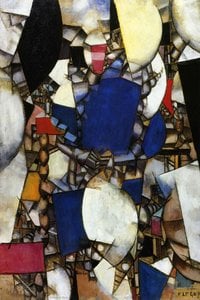
Muziejų lygio „giclée“ arba drobos spausdinimas: greita gamyba ir lankstios apdailos parinktys. ( Pirkti rankų darbo tapybą Perejti prie skaitmeninių vaizdų)





























Pasirinkite iš mūsų nustatytų dydžių, atitinkančių originalaus meno kūrinio proporcijas.

Įveskite jums reikiamą plotį ir aukštį, kad atvaizdas derėtų prie jūsų rėmo ar sienos. Spausdiną galima tik sumažinti, bet nepadidinti virš originalaus paveikslėlio dydžio, todėl keičiant proporcijas, dalis vaizdo prarandama. Prieš spausdinimą atsiųsime jums skaitmeninį maketą patvirtinimui. Šioje puslapio nuotraukoje matomas pjūvis nėra tikslus – jį rodo tik maketas.
Pristatymas visame pasaulyje () per 2 weeks, o ne įprastas 4/5 savaičių laikotarpis. (19 lapkritis)
Machine element
Reprodukcijos matmenys
Pagrindinė „Machine element“ spalva – Putty (#c8c3b7). Dominuojančia spalva padeda lengviau suderinti kūrinį su interjeru.
„Machine element“ kartu su kitais Fernand Léger kūriniais pasižymi Cubist Movement stiliumi ir tamsiomis temomis: picasso influence, modern technology reflection, industrial dynamism, experimental film connection, tubist style legacy.
Rekomenduojamas „Machine element“ – Fernand Léger spausdinimo dydis Living Room erdvei yra Large.


1881 - 1955 , Prancūzija

Explore 10 iconic artworks that define the industrial aesthetic. From gritty urban landscapes to metallic textures, discover the stories behind these timeless masterpieces. Find museum-quality art reproductions and curated decor inspiration. Explore the full collection on WahooArt.com.

Explore the vibrant world of Fernand Léger. Discover how his 'Tubism' and Machine Age aesthetics redefined modern art, offering profound inspiration for discerning collectors seeking geometric beauty and industrial dynamism.
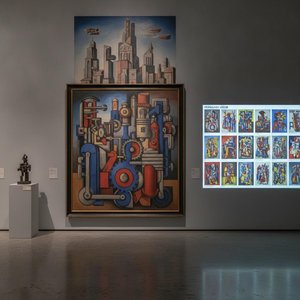
Immerse yourself in the vibrant world of Fernand Léger. Explore 25 iconic masterpieces of Cubism and Tubism, from bold geometric forms to machine-age energy. Find inspiration for your decor with museum-quality reproductions. Discover all masterpieces on WahooArt.com.
 Peržiūrėti realaus dydžio版

 Pasidalinti
 Dalintis
 Išsamiau
 Vadovas


 Atsisiųsti
 Panašūs eksponatai
 Rentgeno spindulių nuotrauka
 Automatinė diorama
 问答

 Statistika


 Skaityti daugiau









 Stiklo variantas prieinamas tik pasirinkus dydį iki 110 cm