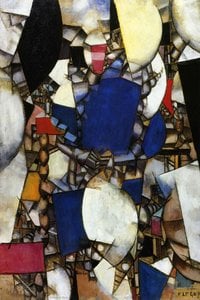
Plagių ir kuriasi meno spausdinimai nuo €45 (dydis 33 x 30 cm)
Ranku tapyta aliejaus reprodukcija – nuo €182
Muziejų lygio „giclée“ arba drobos spausdinimas: greita gamyba ir lankstios apdailos parinktys. ( Ranku tapytas aliejus Skaitmeninis vaizdas
)
Mūsų biudžetinė spausdinimo versija: ta pačia nuotrauka, tik atspausdinta ant 260 g/m² poliesterinės drobennės vietoj medienos, pristatyoma sulenkiama į vamzdį reguliarios paštos nei 3–4 weeks. Tik sulenkiama (be rėmų ir tvirtinimo) ir be skubios gamybos, dydžiams, kurių bent viena pusė yra ne ilgesnė kaip 80 cm. Apie 30% pigiau nei drobennio spausdinimas.
Šis variantas nepasiekiamas šiam dydžiui: viena pusė turi būti ne ilgesnė kaip 80 cm.
Tik sulenkta: kad pasirinktumėte šį spausdinimą, rinkitės plėtį lenktą į vamzdį.
Galima paseninti dydžiais, kurių abiejų pusės length yra ne ilgesnė kaip 110 cm. Didesnių dydžių spausdinimas vykdomas ant matinio medienos pluošto drobios.
Matinis archyvinis platinas šiam dydžiui yra neprieinamas: abiejų pusės turi būti ne ilgesnės už 110 cm. Jūsų spausdinys bus atliktas ant matinio medienos platinio.
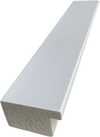
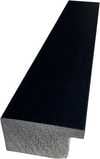
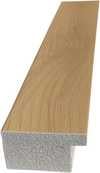
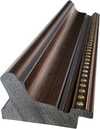
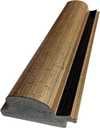
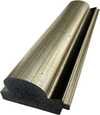
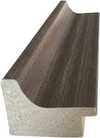
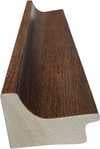
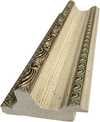
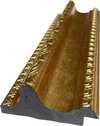
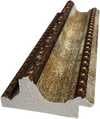
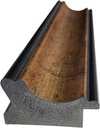
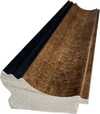
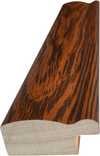
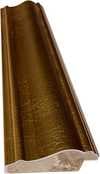
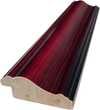
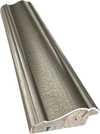
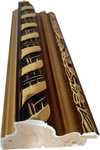
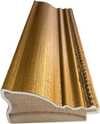
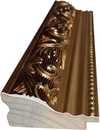
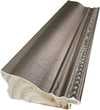
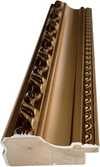
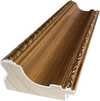
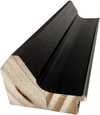
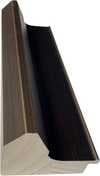
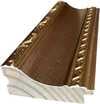
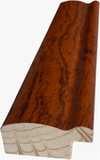
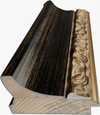
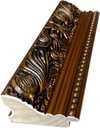
Pasirinkite iš mūsų nustatytų dydžių, atitinkančių originalaus meno kūrinio proporcijas.

Įveskite jums reikiamą plotį ir aukštį, kad atvaizdas derėtų prie jūsų rėmo ar sienos. Spausdiną galima tik sumažinti, bet nepadidinti virš originalaus paveikslėlio dydžio, todėl keičiant proporcijas, dalis vaizdo prarandama. Prieš spausdinimą atsiųsime jums skaitmeninį maketą patvirtinimui. Šioje puslapio nuotraukoje matomas pjūvis nėra tikslus – jį rodo tik maketas.
Pristatymas visame pasaulyje () per 2 weeks, o ne įprastas 4/5 savaičių laikotarpis. (27 gruodis)
Pasirinkus „Economy“ poliesterio drobės spausdinimą, skubus gamybos procesas ir ekspreso kurjerio pristatymas nepasiekiami, nes siuntimas vykdomas paprastu paštu.
Head constructor
Reprodukcijos matmenys
Pristatymas visame pasaulyje () reguliaru paštu per 3–4 weeks. (27 gruodis)
Fernand Léger’s “Head Constructor,” painted in 1950, isn't merely a portrait; it’s a distilled essence of the burgeoning modernity that gripped Europe after World War I. This striking monochrome work, rendered in a bold and assertive Cubist style, immediately commands attention with its stark contrast between the solid black outlines and the pristine white background – a deliberate choice that emphasizes the geometric forms at the heart of Léger's vision. The image presents a stylized human head, partially obscured by a simple hat or cap, a subtle detail hinting at a profession or perhaps even anonymity within the rapidly changing urban landscape.
Léger’s approach to Cubism wasn’t about deconstructing reality into an abstract puzzle; rather, he sought to integrate the dynamism and structure of the machine age directly into his representation of the human figure. He viewed industrialization not as a destructive force but as a new form of beauty – one characterized by clean lines, precise angles, and a sense of mechanical order. This is powerfully evident in “Head Constructor,” where the head itself is broken down into a series of interlocking squares, rectangles, and triangles—a deliberate rejection of traditional perspective and a celebration of geometric abstraction. The work feels less like a depiction of an individual and more like a schematic diagram, a blueprint for a new kind of human being shaped by the tools and technologies of his time.
To understand “Head Constructor,” it's crucial to grasp the principles of Cubism as Léger embraced them. Unlike Picasso and Braque, who initially focused on dismantling objects into fragmented planes, Léger retained a sense of volume and three-dimensionality within his compositions. He didn’t entirely abandon representation; instead, he simplified forms to their most essential geometric components, creating an effect that is both abstract and strangely familiar. The thick black lines defining the head, hat, and facial features aren't delicate or subtle—they are assertive and deliberate, conveying a sense of construction and engineering. This bold use of line is characteristic of Léger’s style, which he termed “Tubism,” referencing his fascination with cylindrical forms – a visual echo of the pipes and machinery that dominated the industrial world.
The choice of monochrome—black lines on white—further amplifies this sense of construction. It eliminates any distractions from color, forcing the viewer to focus entirely on the interplay of shapes and lines. This deliberate austerity reflects Léger’s desire to strip away sentimentality and emotionalism, presenting a purely rational and objective view of the human figure. The work evokes a feeling of detachment, almost as if we are observing a machine rather than a person—a powerful statement about the increasing mechanization of modern life.
The title itself, “Head Constructor,” offers valuable insight into Léger’s intentions. He was deeply interested in the role of labor and industry in shaping society, and he saw the construction worker as a symbol of progress and innovation. The hat or cap worn by the figure could be interpreted as a uniform—a badge of membership within this new industrial order. The overall effect is one of both celebration and unease; Léger acknowledges the beauty and efficiency of modern technology but also hints at its potential to dehumanize individuals.
“Head Constructor” isn’t simply a depiction of a head; it's a meditation on the nature of humanity in an age of rapid technological change. It’s a work that continues to resonate today, prompting us to consider our relationship with machines and the evolving definition of what it means to be human.
Spausdinimas: Head constructor yra atspausdintas giclée technika ant medžioje pagrįsto medinio drobilo arba „Epson“ archyvinio drobilo popieriaus.
Originalo matmenys yra 50 x 45 cm. Dydviai svyra nuo 33.2 x 30.1 cm (€45) iki 248.1 x 224.6 cm (€460); šioje pusėje pateiktoje lentelėje nurodyti galimi variantai ir jų kainos.
Spausdinys, įlenktas į vamzdikį, pristatomas nemokamai reguliaru paštu per 3–4 weeks; drobkalnį užtraukus arba įrėmintas spausdinys pristatomas per 4–5 weeks. Ekspreso kurjeriu pristatymas pasiekiamas tik paslaugos „Ekspreso pristatymas“, kurią galite įsigyti šioje puslapyje. Prekę galite grąžinti per 100 dienų ir gauti visą sumą atlaikytą, nepriklausomai nuo priežasties.
Oil On Canvas
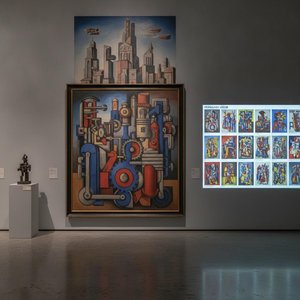
Tubism emerged as a visual response to the industrial pulse of Paris. How did Léger transform the organic textures of Normandy into steel-and-glass geometry?

In 1919, Fernand Léger painted The City, breaking the urban landscape into a vibrant arrangement of cylinders and bold geometric planes.

Fernand Léger painted Dance in 1942 and The Accordion in 1926. Examine 10 works by Léger, Paul Klee, and Charles Delorme.

 Peržiūrėti

 Pasidalinti
 Dalintis
 Išsamiau
 Informacinė lLapelė


 Atsisiųsti
 Panašūs eksponatai
 Rentgeno spindulių nuotrauka
 Automatinė diorama
 Klausimai ir atsakymai

 Statistika


 Head constructor pilnas aprašas


 Stiklo variantas prieinamas tik pasirinkus dydį iki 110 cm