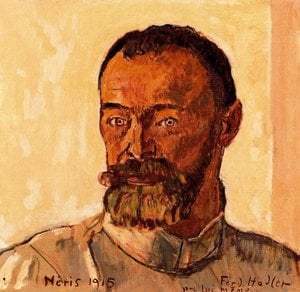
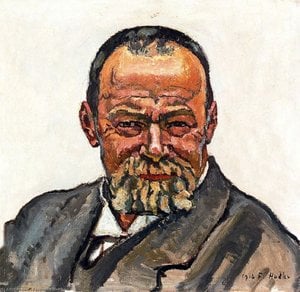
Žvelgiant į simbolizmą: Ferdinandas Hodleris ir jo pasaulis
Ferdinandas Hodleris, vardas neatsiejamas nuo Šveicarijos tapybos kraštovaizdžio ir gilių simbolizmo kalbos atspalvių, iškilęs iš kuklių pradžių tapo vienu reikšmingiausiu vėlines XIX amžiaus ir ankstyvojo XX amžiaus menininkų. Gimė 1853 metais Bernėje, Šveicarijoje, jo gyvenimą giliai paveikė ankstyvas netekimas – dažnas motyvas, kuris persmelkė visą jo kūrybos viziją. Netrukus po aštuonių metų amžiaus mirė jo tėvas ir du jaunesnieji broliai, palikdami ilgą šešėlį, įskiepiję jam gilų mirties apmąstymą ir egzistavimo nepastovumą. Šie patyrimai, susipynę su gamtos grožio ir jėgos aštrumu, tapo pagrindiniais jo besivystančios kūrybos pamatas. Iš pradžių mokytis dekoratyvinio tapytojo amato, Hodlerio gimtoji talentas netrukus pranoko paprastą meistriškumą; jis geidė formalios apmokymo ir meninės ekspedicijos už komercinių darbų ribų. Šis siekis jį atvedė į Ženevą 1871 metais, kur jis panėrė į studijas, lankydamas mokslines paskaitas kartu su sąmoningai kopijuodamas meno kūrinius miesto muziejuje – griežtas išsilavinimas, padėjęs pagrindus jo būsimoms inovacijoms.
Nuo realizmo iki „Paralelizmo": Unikalios Vizijos Formavimas
Hodlerio meninis kelias buvo pasižymėtas nuolatiniu vystymusi ir nesiliaujamu siekiu išreikšti galią. Ankstyvieji jo darbai atspindėjo tuometinį realizmo stilių – portretus, kraštovaizdžius ir žanrinius vaizdus, sukurtus su kruopščia detale. Tačiau netrukus jis pajuto ribas, kuriuos jam kėlė šie įprasti dalykai, ieškodamas būdo perteikti gilesnes emocines tiesas ir filosofines idėjas. Šis geismas jį atvedė prie simbolizmo, srovės, kuri atmetė natūralistinį vaizdavimą, pirmenybę teikdama subjektyviai patirčiai ir įkvepiančiai ikonografijai. Tačiau Hodleris nesukūrė tiesiog simbolizmo principų; jis išpildė savo unikalų kelią, sukūręs tai, ką jis pats pavadino „paralelizmu“. Šis išskirtinis stilius apėmė figūrų ir formų išdėstymą ritmiškuose, beveik geometriniuose raštuose, sukurdamas tiek harmonijos, tiek įtampos jausmą – vizualizaciją apie susijungimą. Tai buvo bandymas ne tik pavaizduoti tai, ką jis mato, bet ir kaip jaučia – pogrindines emocines sroves, jungiančias viską. 1890 metais baigtas kūrinys „Naktis“ tapo kertiniu darbu, pažymėjęs jo ryžtingą posūkį į simbolistinius vaizdus ir sukėlęs nemažai nepasitenkinimo dėl figūrų, primenančių mirtį ir ramybę, vaizdavimo. Nepaisant pradinių kritikų, paveikslas sulaukė dėmesio Paryžiuje, įtvirtindamas Hodlerio reputaciją už Šveicarijos ribų ir paskelbdamas tikrai originalaus balsu atėjusią žinią.
Pagrindiniai kūriniai: Simbolizmo ir Inovacijų Atspindžiai
Per savo gausią karjerą Hodleris sukūrė nepaprastą darbų rinkinį, kuris iki šiol sužadina žiūrovus. 1893 metais baigtas „Diena“ yra vienas iš jo ambicingiausių ir garsiausių pasiekimų – monumentali istorinis paveikslas, kuriame atsiskleidžia jo kompozicijos ir simbolizmo meistriškumas. Dabar esantis Kunsthaus Zürich muziejuje, šis kūrinys yra galinga meditacija apie gyvenimą, mirtį ir atsinaujinimą, perteikiama įspūdingu realizmo ir vizionieriškos intensyvumo deriniu. „Dienos“ mastas ir emocinis svoris įtvirtino Hodlerio poziciją kaip vieno iš Europos meno lyderių. Kiti reikšmingi darbai – daugybė Šveicarijos Alpų vaizdų, kuriuose jaučiamasi apreiškiantis didybę, bei portretai, atskleidžiantys jo gilią supratimą apie žmogaus psichologiją. Jis dažnai grįždavosi prie netekimo ir gedulo temų, galbūt atspindėdamas savo vaikystės traumas, tačiau visada į juos įdėdavo orumo ir atsigavimo jausmą. Jo paveikslai nebuvo tik reprezentacijos; tai buvo emociniai kraštovaizdyčiai, kviečiantys žiūrovus apmąstyti egzistencijos pagrindinius klausimus. Tokie kūriniai kaip „Tiesos II“ (1897) demonstruoja Hodlerio gebėjimą derinti klasikinę formą su moderniais pojūčiais, sukuriant vaizdus, kurie yra tiek nesenstantys, tiek strikingai šiuolaikiški – liudijimas jo inovatyvaus dvasios.
Pavelės Atgarsiai: Įtaka ir Istorinis Kontekstas
Ferdinando Hodlerio įtaka išsiplėtė už Šveicarijos ribų. Jo naujoji simbolizmo naudojimo ir „paralelizmo“ plėtra atidarė kelią ekspresionizmui, su jo pabrėžimu subjektyvioms emocijoms ir iškreiptoms formoms. Jam sekę menininkai jį pripažino kaip pirmtaką savo vidinio patyrimo tyrimams. Hodlerio darbai taip pat atsiliepė į vėlines XIX amžiaus ir ankstyvojo XX amžiaus kultūrinius srovimus – laikotarpį, pažymėtą greitu socialinių pokyčių, mokslinių prielaidų ir augančiu egzistenciniu nerimu. Jo paveikslai pasiūlė vizualinę kalbą, susijungiant su šiais sudėtingais klausimais, suteikdami paguodą ir įžvalgas vis labiau neapibrėžtame pasaulyje. Šiandien Hodlerio darbai yra saugomi didžiųjų Europos muziejų ir už jų ribų, užtikrinant, kad jo meninė vizija ir toliau įkvepia ir meta iššūkius kartoms žiūrovų. Jis tebėra reikšminga figūra Šveicarijos meno istorijoje, garsėdamas ne tik savo techniniu meistriškumu, bet ir gilia emocine gyliu bei nepajudinama atsisakymu tyrinėti žmogaus būties paslaptis.
Tyrinėjant Hodlerį toliau



 Peržiūrėti realaus dydžio版
 Pirkti rankomis tapytą reprodukciją
 Siųsti
 Dalintis
 Išsamiau
 Vadovas

 Atsisiųsti
 Panašūs eksponatai
 Rentgeno spindulių nuotrauka
 Diaporama
 Statistika


 Rodyti daugiau






































 Stiklo variantas prieinamas tik pasirinkus dydį iki 110 cm


![Untitled [verso] — Markas Rotko, American Abstract Expressionism](/media/artworks/images-thumb/94/fc/94fc29b66c29c7bf389520dcd5e58334.jpg)