Muziejų lygio „giclée“ arba drobos spausdinimas: greita gamyba ir lankstios apdailos parinktys. ( Pirkti rankų darbo tapybą Perejti prie skaitmeninių vaizdų)





























Pasirinkite iš mūsų nustatytų dydžių, atitinkančių originalaus meno kūrinio proporcijas.

Įveskite jums reikiamą plotį ir aukštį, kad atvaizdas derėtų prie jūsų rėmo ar sienos. Spausdiną galima tik sumažinti, bet nepadidinti virš originalaus paveikslėlio dydžio, todėl keičiant proporcijas, dalis vaizdo prarandama. Prieš spausdinimą atsiųsime jums skaitmeninį maketą patvirtinimui. Šioje puslapio nuotraukoje matomas pjūvis nėra tikslus – jį rodo tik maketas.
Pristatymas visame pasaulyje () per 2 weeks, o ne įprastas 4/5 savaičių laikotarpis. (8 lapkritis)
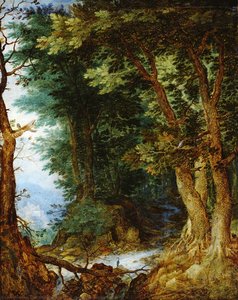
Forest with a mountain stream
Reprodukcijos matmenys
In the quiet depths of the Alpine wilderness, where the air is thick with the scent of pine and damp earth, lies the heart of Ferdinand Hodler’s Forest with a mountain stream. Painted in 1902, this masterpiece serves as more than just a landscape; it is a profound meditation on the eternal cycle of life and decay. As the eye wanders through the composition, one encounters a lush, verdant forest where a crystalline mountain stream carves its path through ancient stones. The scene is punctuated by the presence of fallen trees, their weathered trunks resting amidst the moss, serving as poignant reminders of the fleeting nature of existence—a theme that resonated deeply within Hodler’s own life following the early loss of his family members.
The painting invites the viewer to step into a moment of stillness. Near the center of this emerald sanctuary, a solitary figure stands in quiet contemplation. This presence acts as an emotional anchor, transforming the landscape from a mere botanical study into a shared experience of awe. Whether the figure is a wanderer lost in thought or a silent guardian of the woods, their placement encourages us to reflect on our own relationship with the natural world. For the collector or interior designer, this piece offers a window into a serene, untouched realm, bringing the restorative power of the Swiss Alps directly into the home.
Ferdinand Hodler was a pioneer of parallelism, an artistic theory where he sought to create harmony through rhythmic, repeating structures within his compositions. In this work, we see this technique manifest in the verticality of the standing trees contrasted against the horizontal flow of the stream and the scattered rocks. The brushwork is both intricate and deliberate, capturing the textures of rough bark, smooth river stones, and the shimmering surface of moving water. His use of color is particularly striking; vibrant greens and deep, earthy browns are balanced by the cool, light-reflecting tones of the mountain stream, creating a visual rhythm that feels both organic and structured.
The technical execution of this 1902 work demonstrates Hodler's ability to blend Symbolist depth with a palpable sense of realism. The interplay of light and shadow creates a sense of atmospheric depth, making the forest feel as though it breathes. For those seeking to adorn a space with art that possesses both intellectual weight and aesthetic grace, this reproduction captures every nuance of the original. It is an ideal centerpiece for a sophisticated study, a tranquil living area, or any curated collection focused on the intersection of nature and human emotion.
Living Room erdvėje „Forest with a mountain stream“ siūloma spausdinti Large dydžiu.
„Forest with a mountain stream“ – Ferdinandas Hodleris šviesos intensyvumas yra Soft Shadow. Šviesos intensyvumas apibūdina, kiek šviesos, kaip atrodo, atspindi spalvos.
„Forest with a mountain stream“ – Ferdinandas Hodleris kūrybos metai – 1902.


1853 - 1918 , Šveicarija

Embark on a visual journey through nature's most breathtaking masterpieces. From dramatic mountain vistas to serene pastoral scenes, explore the timeless beauty of classical landscapes and discover how to bring the majesty of the wild into your home with museum-quality art.

Embark on a visual journey through history's most iconic landscapes. Discover the mastery of Impressionism and the sublime power of nature through our expert guide to classical landscape art, curated for the discerning collector and fine art enthusiast.
 Peržiūrėti realaus dydžio版
 Pasidalinti
 Dalintis
 Išsamiau
 Vadovas

 Atsisiųsti
 Panašūs eksponatai
 Rentgeno spindulių nuotrauka
 Automatinė diorama
 问答
问答
 Statistika

 Skaityti daugiau









 Stiklo variantas prieinamas tik pasirinkus dydį iki 110 cm