


 Acrylic On CanvasWallArtRococo
 1780
1780 34.0 x 26.0 cm
 Szépművészeti Múzeum
Rankiniu būdu tapytas aliejus ant droblio jūsų pageidaujamame dydį ir rėmuose – mūsų menininkų darbas pagal užsakymą. ( Pirkti spaudinį Pirkti vaizdą)





























Pasirinkite iš mūsų nustatytų dydžių, atitinkančių originalaus meno kūrinio proporcijas.

Galite įvesti savo matmenis, kad jie atitiktų konkretų rėmą ar erdvę. Jei pasirinktas dydis neatitinka originalaus paveikslėlio proporcijų, mes arba apkropsime meno kūrinį, arba papildysime tapybą rankomis dažytい elementais. Prieš pradėdami gamybą, jūsų patvirtinimui atsiųsime skaitmeninį maketą.
Atkreipkite dėmesį, kad ekrane rodomas vaizdas neatspindi tikrojo apkarpymo ar papildymo. Tik maketas tiksliai parodys galutinę kompoziciją.
Nors galima rinktis ir individualius dydžius, rekomenduojame pasirinkti matmenis iš nustatytos sąrašo, kad būtų išlaikytos originalios proporcijos.
Pristatymas visame pasaulyje () per 3–4 savaites, o ne įprastai – per 5 savaites. (6 rugsėjis). Kokybė lieka nepakeičiama.


The Evening
Reprodukcijos matmenys
Felix Ivo Leicher’s “The Evening,” painted in 1780, stands as a quintessential embodiment of Rococo artistry—a movement characterized by opulent ornamentation and an idealized depiction of aristocratic life. Currently residing at the Szépmûvészeti Múzeum in Budapest, Hungary, this oil on canvas masterpiece transcends mere visual representation; it captures a fleeting moment of serene contemplation within a richly textured domestic interior.
The painting’s compositional brilliance lies in its deliberate simplicity. At the heart of the scene is a woman seated gracefully upon a crimson armchair, her back turned towards the viewer—a posture that immediately invites intimacy and introspection. Leicher skillfully employs soft lighting to illuminate the room, casting gentle shadows that accentuate the textures of the wall and the subtle folds of fabric. This masterful technique contributes significantly to the painting’s overall atmosphere of tranquility.
Several key elements converge to create a profound symbolic resonance. The woman's posture suggests an act of repose, perhaps adjusting her clothing—a gesture laden with connotations of elegance and refinement. The richly textured wall serves as a visual anchor, grounding the composition while simultaneously hinting at the grandeur of aristocratic patronage. A window adorned with blue curtains offers a glimpse beyond the confines of the room, symbolizing openness to new perspectives and experiences. Furthermore, the bed draped in scarlet—complementing the armchair’s hue—represents comfort, warmth, and domestic harmony.
"The Evening" reflects the prevailing aesthetic sensibilities of its time—the Rococo era—which prioritized beauty, grace, and sensual pleasure. Leicher's meticulous attention to detail and his masterful use of color exemplify the movement’s commitment to capturing idealized visions of human experience. Compared to contemporaries like Johann Christian Richter, Leicher eschewed dramatic narratives in favor of subtle emotional expression, prioritizing a contemplative mood that speaks to the viewer’s sensibilities.
Executed with meticulous brushwork and layering techniques—characteristic of Rococo painting—Leicher achieved remarkable luminosity and depth. The artist skillfully blended pigments to create harmonious tonal palettes, enhancing the visual impact of the scene. This dedication to craftsmanship underscores Leicher's mastery of artistic conventions and contributes to the enduring beauty of “The Evening.”
For more information about Felix Ivo Leicher and his oeuvre, please visit WahooArt.com.


1727 - 1812 , Czech Republic

Immerse yourself in the splendor of Rococo art. Discover the era of elegance through masterworks by Watteau and Fragonard. Explore themes of romance, aristocratic leisure, and gilded ornamentation in this definitive guide to 18th-century French opulence.
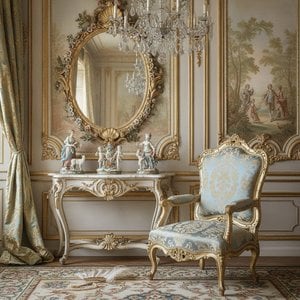
Discover the exquisite allure of Rococo art. Explore a curated guide to 18th-century French masterpieces, from Watteau to Fragonard, and learn how hand-painted oil reproductions can bring timeless elegance and luxury to your sophisticated interior design collection.

Discover the breathtaking elegance of Rococo portraiture. Explore an expert guide to 18th-century mastery, from pastel palettes to aristocratic grandeur, and learn how to bring this era of opulence into your home through museum-quality oil reproductions.

 Peržiūrėti realybėje
 Pasidalinti
 Dalintis
 Išsamiau

 Atsisiųsti
 Panašūs eksponatai
 Rentgeno nuotrauka
 Automatinė diorama
 Skaityti daugiau







 Stiklo variantas prieinamas tik pasirinkus dydį iki 110 cm


