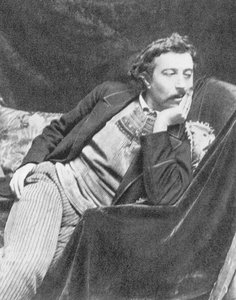
Drąvingais traukais gyvenimas: Pauliaus Gauguino pasaulis
Eugène Henri Paul Gauguin – vardas, kuris skamba ryškia spalva ir sukilusi dviešėlia, yra esminė figūra pereinant nuo impresionizmo prie moderniojo meno. 1848 metais Paryzuje gimęs dailininkas gyveno ne visai konvencionaliai. Jo vaikystę lemė neįprasta kilmė: tėvas buvo žurnalistas, o motina kilus iš Peru aristokratijos – jos sengrandė, Flora Tristan, buvo pionierių prieš feminizmą ir socialistinę rašytoja, kurios idealai neabejotinai skambėjo šeimos viduje. Ši paveldėdė giliai įformavo Gauguino meninę viziją, įsidiegdama jį susižavėti kultūjąms už Europos ribų. Formatyvus laikotarpį Peru, praleistą vaikystėje po šeimos persikrausto 1850 metais, jis įmerpė į pasaulį, visiškai skirtingą nuo pariziškos visuomenės – tai patirtis liko jį lydėti ir galiausiai paskatino jo ieškojimus autentiškumui paveikti meną. Grįžęs į Prancūziją po tėvo mirties, Gauguin gavo oficialų išsilavinimą, tačiau jį prciąsė ne akademija, o augantis finansų pasaulis; jis pradėjo karjerą kaip akcijų brokeris – kelias, kuris iš pirmo žvilgsnio atrodė nesuderinamas su menišku jo paskutiniu laukimu.
Nuo finansų iki meninio pašaukimo
Years daužius Gauguin gyveno dvigubą gyvenimą, skrupmeniškai siekdamas verslo sėkmės, tačiau slaptai puoselėdamas meilę tapui. Pradinai paveiktas impresionistų, laisvu metu jis pradėjo eksperimentuoti su spalva ir šviesa, tačiau greitai pasij 느끼 ribojimų dėl jų siekio įamžinti trumpalaikę realybės akimirką. 1882 metų finansinė krizė tapo lūžio tašku, privertusi jį palikti pelningą karjerą ir visiškai atiduoti save meniniam pašaukimui. Tai nebuvo tik profesijos pakeitimas; tai buvo fundamentalus pasaulybės suvokimo pokytis. Jis ieškojo patarimų iš Camille Pissarro, kuris skatino jo vystymąsi ir pristatė jį Paryžiaus avantgardos ratams. Tačiau Gauguin greitai pradėjo atsisvaistyti nuo impresionistinių principų, trokšdamas kažko išraišmingesnio, simboliškesnio – būdo perteikti ne tik tai, ką jis *matė*, bet ir tai, ką jis *jautė*. Šis troškimas nukreipė jį į meninę tyrinėjimą, kuris išvedė jį daleko už Paryžiaus salonų ir į „primityvinių“ kultūrų širdį. Jis nebuvo tiesiog susidomėję šių kultūrų vaizdavimu; jis siekė suaupt jų esęją, tikėdamas, kad jos sėdi grynumą, prarastą Vakarų civilizacijoje.
Bretanijos ir Tahiti kvietimas
Gauguino meninė evoliucija buvo neatsiejama nuo jo kelionių. Jis praleido laiką Bretanijoje, užburintas kietų kraštlandžių ir gilių žmonių tradicijų. Šis laikotarpis atsimintinas eksperimentais su plokščiais formų, drąsiais kontūrais ir kompozicijos supaprastinimu – technika, kuri jį atstūmė nuo naturalizmo ir priartino prie simbolinio kalbos. Tačiau tik 1891 metų kelionė į Tahiti tikrai išlaisvino jo kūrybinį potencialą. Siekdamas rasti prieglobę tai, ką jis suvokė kaip duslintą Europos civilizacijos ribojimą, Gauguin tikėjosi rasti įkvėpiimą Polinezijos kultūroje, tikėdamas, kad ji siūlo grynesnį, autentiškesnį gyvenimo būdą. Tai nebuvo tik meninis siekis; tai buvo dvasinis ieškojimas. Jis pasinerė į vietinius papročius ir įsitikinimus, per savo unikalią prizmę vaizduodamas polineziečių moteris, kraštlandžius ir religines praktikas. Paveiktas Japonijos grafikos –
Japonismo – ir viduramžių meno, jis sukūrė išskirtinę estetiką, pasižinčiantį ryškiomis spalvomis, egzotiška tema ir paslapties aura. Tokie ikoniški paveikslai kaip
„Vahine no te miti“ (Moteris su mango),
„Manao Tupapau“ (Mirusiojo dvasios stebimas) ir
„Dievų diena“ iškilo būtent šiuo laikotarpiu, užtvirtindami jo reputaciją kaip vizionieriaus. Jo spalvų naudojimas tapo vis drąsesnis ir neimitausiškas, tarnydamas ne realybės atkartojimui, o emocijų ir dvasinės prasmės ištrykdymui.
Palikimas ir kontroversijos
Nepaisant meninių proveržiučių, Gauguino gyvenimą dažnai lydėjo sunkumai. Jis kovojo su finansiniais iššūkiais ir sveikatos silpstančiavimu savo laiką praleidęs Tahiti ir vėliau Markizų salose, kur galiausiai ir įsikūrė. Vis dėlto jis toliau tapo labai kūrybiškas, nuolat tyrinėdamas gyvenimo, mirties ir dvasinės siela temas. Jis mirė 1903 metais Hiva Oa, nuogų saloje Markizų archipelage, didzumui neatpažintas savo genijų. Tik po jo mirties Gauguino kūriniai pradėjo gauti pagarbą, kurią jie nusipelnė. Šiandien jis yra švenčiamas kaip esminė figūra vystant modernųjį meną, užtraukiantis tiltą tarp impresionizmo ir simbolizmo bei pavediantis kelią tokiems judėjimams kaip fauvizmas. Jo spalvų naudojimas, supaprastintos formos ir simbolinė vaizdinė medžiaga giliai paveikė tokius menininkus kaip Pablo Picasso, Henri Matisse ir daugybę kitų. Tačiau Gauguin išlieka kontroversiška figūra dėl asmeninio gyvenimo aspektų – ypač santykių su jaunomis polineziečių moterimis – kurie toliau yra diskutuojami ir perinterpretuojami atsižvelgiant į šiuolaikines etikos vertybes. Nepaisant to, jo meninės įtakos neįginamos, o palikimas toliau įkvepia menininkus ir meno mėgėjus visame pasaulyje. Jis buvo tikras inovatorius, rebeliantas, kuris drąsiai iššaukė konvencijas ir sukūrė savo kelią, palikdamas kūrybinį turtą, kuris yra toks pat įtraukiantis ir paslaptingas, kaip ir pats jis.
Pagrindinės įtakos ir meninės savybės
- Impresionizmas: ankstyva įtaka spalvai ir šviesai, vėliau atmetama dėl dėmesio trumpalaikei realybei.
- Japonizmas: įkvėpė plokščius perspektyvų vaizdus, drągius kontūrus ir dekoratyvius raštus.
- Viduramžių menas: paveikė simbolinę vaizdinę medžiagą ir griežto realizmo atsisakymą.
- Sintezizmas: stilius, kurį sukūrė Gauguin, pabrėžiantis meno kūrimą remiantis subjektyvia patirtimi, o ne objektyviu stebėjimu.
- Primitivizmas: susižavimas nevakarysisse kultūrose, tikėjimą, kad jos siūlo autentiškesnį ir dvasinį gyvenimo būdą. Tai atsisprendžia jo temose ir stilistiniuose pasirinkimuose.



 Peržiūrėti realaus dydžio版
 Perjungti į spausdinimą
 Siųsti
 Dalintis
 Išsamiau
 Gidas
Gidas

 Atsisiųsti
 Panašūs eksponatai
 Rentgeno spindulių nuotrauka
 Diaporama
 Statistika

 Rodyti daugiau






































 Stiklo variantas prieinamas tik pasirinkus dydį iki 110 cm