


Gaukite spausdinimui paruoštą failą, kurio kokybė gerokai viršija internetinę peržiūrą. Kiekvienas mūsų parduodamas skaitmeninis vaizdas yra ištrauktas iš aukštos raiškos pagrindinio failo mūsų duomenų bazėje — paprastai jis siekia nuo 5 000 iki 15 000 pikselių plotio — todėl galite drąsiai spausdinti didelius formatus, apkirpti vaizdą ar reprodukcija užtikrins visas smulkias detales.
Mūsų studijoje nė viena kopija nelieka neapdorota. Skaitmeninio vaizdo ekspertas, lygiu su originaliu paveikslu, patikrina spalvas ir, jei reikia, jas koreguoja, o tada profesionaliais retušavimo įrankiais padidina aiškumą bei detales — visada išlaikydamas ištikimybę autoriaus teptuko traukoms ir stiliui. Rezultatas – vaizdas, kuris atrodo kaip tikras paveikslas, o ne kaip su filtrais apdorotas skenavimas.
Patvirtinate prieš užsakymo pabaigą: mūsų ekspertas per 72 valandas el. laišku atsiųsta vaizdą jūsų peržiūrai. Nepasitenkinate rezultatu? Paprašykite patobulinimų ar pataisymų arba prašykite pinigų grąžinimo, jei kokybė neatitinka jūsų lūkesčių.
Ši kokybė yra patikima leidybos įstaigoms, dizaino studijoms, galerijoms ir spaudos įmonėms.
Atsisiųskite didelės raiškos failą asmeniniam naudojimui, spausdinimui ir kūrybiniams projektams. ( Perjungti į spausdinamus版作品 Pirkti rankų darbo tapybą)
Pasirinkę WahooArt.com, jūs ne tik gaunate paveikslėlį – jūs gaunate profesionaliai patobudintą skaitmeninį kūrinį, sukurtą itin tikniai ir užtikrinantį pasitenkinimą. Štai viską, kas automatiškai pritékia jūsų užsakymui:
Jūsų aukštos raiškos skaitmeninis vaizdo failas bus išsiųstas el. paštu per 72 valandas nuo užsakymo – jis bus paruoštas naudoti be jokių papildomų veiksmų.
Jūsų meno kūrinys profesionaliai optimizuojamas naudojant pažangius dirbtinio intelekto įrankius ir rankinį redagavimą, užtikrinant maksimalią detalę, aiškumą ir spalvų tikslumą.
Atsitiktinai ištrytikote ar praradote savo failą? Nebijokite – bet kuriuo metu atsiųsime jį jums vėl nemokamai.
Mėgaukitės savo meno kūrynu be jokių muitinės mokesčių, įkainų ar pristatymo išlaidų – skaitiniai failai visada yra neapmokestinami.
Naudodami profesionalią įrangą ir spalvų valdymo sistemas, užtikriname, kad jūsų skaitmeninis vaizdas kuo tiksliau atspindėtų originalias spalvas.
Jei nebuvosite patenkinti įsigyto skaitmeninio vaizdo, mes jį tališkai koreguosime arba grąžinsime 100% sumą per 100 dienų – be jokių klausimų.
Nesitenkinate? Gaukite visą sumokėtą sumą per 100 dienų nuo skaitmeninio failo gavimo – be jokių papildomų klausimų.
Pirkti 3 nuotraukas – 10% nuolaida – Pirkti 5 – 15% nuolaida – Pirkti 10 ir daugiau – 20% nuolaida. Puikiai tinka kūrybiniams projektams, galerijoms bei agentūroms.
Paul Gauguin's "Clearing," painted in 1873, isn’t merely a landscape; it’s an immersion into the artist’s evolving vision and a poignant glimpse of his burgeoning interest in capturing the essence of both nature and human experience. This work, residing within the early chapters of Gauguin’s artistic development, stands as a crucial precursor to his later, more intensely symbolic explorations of Tahiti and beyond. It reveals a young Gauguin grappling with color, form, and the very act of representing the world around him – a process he would relentlessly reinvent throughout his career.
The scene itself is deceptively simple: two figures, rendered in muted tones yet imbued with a quiet dignity, stand within a grassy field. Surrounding them are trees, not sharply defined but rather suggested through dappled light and shadow, creating an atmosphere of profound tranquility. The composition isn’t concerned with dramatic perspective or meticulous detail; instead, Gauguin prioritizes the *feeling* of the space – a sense of openness, peace, and connection to the natural world. This deliberate choice reflects his growing departure from the prevailing Impressionist focus on fleeting moments and optical accuracy, moving towards a more subjective and emotionally driven approach to painting.
“Clearing” is deeply rooted in Gauguin’s nascent exploration of what would later become known as “Synthetism.” This revolutionary style, developed during his time in Brittany, sought to move beyond mere representation, aiming instead to synthesize color and form into a unified visual experience. Notice the bold, flattened planes of color – the greens of the field, the browns of the trees, the subtle blues of the sky – applied with thick, visible brushstrokes. These aren’t attempts to mimic reality; they are deliberate choices designed to evoke mood and atmosphere. Gauguin's use of complementary colors—the juxtaposition of green and orange, for example—creates a vibrant energy that subtly animates the scene.
Furthermore, the figures themselves are rendered with an almost schematic quality. Their forms are simplified, their features indistinct, serving primarily as anchors within the landscape rather than subjects of intense scrutiny. This simplification is characteristic of Gauguin’s desire to strip away extraneous detail and focus on the essential elements of his subject matter – in this case, the harmony between humanity and nature.
Painted during a transitional period in art history, “Clearing” bridges the gap between Impressionism and the more radical movements that would follow. While influenced by the Impressionists’ interest in light and color, Gauguin rejects their emphasis on capturing fleeting moments of visual sensation. Instead, he utilizes these techniques to create a mood of contemplative serenity – a feeling that anticipates his later explorations of primitivism and symbolism.
The painting's historical context is also significant. Gauguin’s early years were marked by a restless search for authenticity and meaning, fueled by his upbringing in Peru and his subsequent return to France. This quest for genuine experience—a rejection of the superficiality of Parisian society—is powerfully reflected in “Clearing.” The figures within the clearing represent a moment of respite, a connection to something deeper than the everyday world.
For art enthusiasts seeking to bring the tranquility of Gauguin’s "Clearing" into their homes, WahooArt.com offers a meticulously crafted hand-painted oil painting reproduction on canvas. This isn't simply a print; it’s an artistic interpretation, painstakingly executed by skilled artisans who understand and respect the nuances of Gauguin’s style. The reproduction faithfully captures the bold colors, visible brushstrokes, and overall atmosphere of the original, ensuring that its serene beauty is preserved for generations to come.
Discover more about Paul Gauguin and his artworks on WahooArt: Paul Gauguin | Eugène Henri Paul Gauguin (1848-1903)
„Clearing“ – Eugenas Henri Paulas Gauginas populiarumumo lygis yra Ikoniniai. Ši klasifikacija atspindi, kaip plačiai šis kūrinys yra atpažįstamas.
„Clearing“ – Eugenas Henri Paulas Gauginas spalvų paletė apibūdinama kaip Žemiški tonai. Tai glaustas kūrinio spalvų aprašymas.
„Clearing“ – Eugenas Henri Paulas Gauginas priklauso Post-Impressionism stiliui. Ši dailės kryptis suteikia kūriniui stilistinį kontekstą.

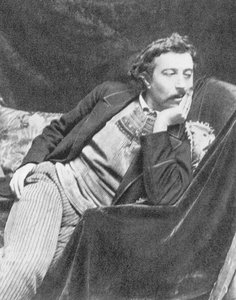
1848 - 1903 , Prancūzija
 Peržiūrėti realaus dydžio版
 Pasidalinti
 Dalintis
 Išsamiau
 Vadovas

 Atsisiųsti
 Panašūs eksponatai
 Rentgeno spindulių nuotrauka
 Automatinė diorama
 问答
问答
 Statistika

 Skaityti daugiau


