Gyvenimas, į šaknus įprietęs Britanijos Kolumbijos peizažuose ir dvasioje
Emily Carr, gimusi 1871 m. gruodžio 13 d. Viktorijoje, Britanijos Kolumbijoje, buvo daugiau nei tik paveikslėlių kūrėja; ji buvo keičiamo pasaulio kronika, aistringa Šiaurinės Amerikos vakarinio pakalpės gamtos didybės ir vietinių tautų turtingo kultūrinio palikimo stebėtoja. Jos gyvenimas skleidėsi spartai evoliucionuojančios Kanados fone – šalies, kovos dėl savo tapatybės ir santykių su giminais siekiančiomis bendruomėmis. Kaip Richardo ir Emily Carr dukartį, angliškųjų imigrantų, ieškojusių galimybiats augančioje kolonijoje, ji užaugo šeimoje, vertinančioje tiek tradicijas, tiek pažangą. Šis dvilypumas pasaulį giliai įformino jos meninę viziją. Nuo mažylės, skatinamos tėvo, Emily rodė išskirtinį talento lavimą, kuris buvo puoselėjamas per oficialų mokymą ir gilią ryšį su aplinkiniu kraitužiu. Veikiantys Vankuverio salos miškai, quite pakios kranto linija ir gyvybingas gyvenimas jų viduje tapo neišnykamais įkvėpimo šaltiniais. Tačiau Carr užburė ne tik regimas grožiai; ji siekė įamžinti šios žemės *dvasią*, jos prigimtį jautį jėgą ir paslaptį.
Unikalios meninės balsas kūrimas
Carr meninė kelionė buvo nuolatinio tyrimo ir tobulėjimo procesas. Ji mokėsi San Francisko meno institute (1890–18lygius) ir vėliau Londono Westminster Art School mokykloje (1899), pasinerdama į Europos menines sroves. Vis dėlto, ji vis stipriau jautė trauką atgal prie savo gimtinės – Britanijos Kolumbijos, supratdama, kad tikra meninė išraiška slypi ne imitacijoje, o autentiškame savo patirties atspindžio kūrime. Pradinėje stadijoje paveikta postimpresionizmo, Carr palaipsniui atsisakė konvencinių technikų, sukurdama stilių, pasižymintį drąsiais spalvos akcentais, dinamiškais traukais ir beveik visceraline energija. Lemiamas lūžio taškas jos kūryboje įvyko susitikusi su pirmųjų tautų bendruomėmis lungo Britanijos Kolumbijos pakrantėje. Ji plačiai keliavo šiais regionais, su pagarba dokumentuodama jų kaimus, totemo stulpus ir ceremoninius daiktus. Šios patirtys giliai paveikė jos darbą, įдалиukin dviešį ir įsipareigojimą saugoti kultūrą, susidūrusią su didžiuliu kolonizacijos spaudimu. Carr ne tiesiog paveikslavo pirmųjų tautų kultūras; ji bandė perteikti jų pasaulinę viziją, ryšį su žeme ir gilią simboliką, įlietą į jų meną. Jos paveikslai tapo stipriais kultūrinio išsaugojimo ir meninės inovacijos pareiškimais.
Modernizmas ir vidinės vizijos išraiška
Emily Carr laikoma Kanados modernizmo pionieriųė, priimanti naujas išraiškos formas, tačiau išliekanti tvirtai įsikrausėjusi savo unikaliame požiūrio būde. Ji nebuvo pasiryžusi tiesiog atkartoti to, ką matė; vietoj to ji siekė perteikti savo temų emocinį ir dvasinį esmę. Tai paskatino ją eksperimentuoti su vis labiau abstrakčiais kompozicijais, naudojant storą impasto techniką, kad sukurtų judesio ir tekstūros pojūtį. Jos drobės dažnai pulsuoja energija, atspindėdamos grynąją gamtos jėgą ir gyvybinę šilą, kurią ji įamžino. Pavyzdžiui,
Kispiox kaimas nėra tiesiog kaimo vaizdo atvaizdas; tai atmosferos, istorijos ir dvasinės reikšmės prikeltas vaizdas. Carr darbuose dažnai matomi aukštiniai medžiai, kurie atrodo siekiantys dangaus, simbolizuodami tiek gamtos prachtą, tiek indigenų kultūrų nekintrą dvasią. Ji nedraudė iššūkį kelti konvencinėms meninėms normoms, plečiant ribas ir kūrendama savo kelią. Šis įsipareigojimas meninei nepriklausomybei įkvėps būsimas Kanados menininkų kartas.
Palikimas ir neblėstantis įtampas
Nors pripažinimas atėjo vėliau gyvenime, Emily Carr šiandien yra plačiai šlojama kaip „moderniosios Kanados meno motina“. Jos paveikslai vertinami dėl jų grožio, emocinio gylio ir istorinės reikšmės. Be meninių pasiekimų, Carr taip pat buvo talentinga rašytoja, savo patirtis ir stebėjimai įamžindama savo pripažintoje autobiografijoje
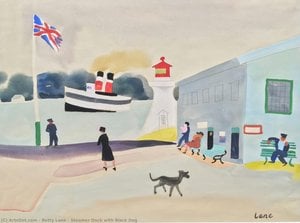
Klee Wyck, kuri 1941 m. laimėjo valstybės vadovo literatūrinę premiją už nekaujinį literatūrą. Šis kūrinys suteikia neįvertinjamą įžvalgą į jos gyvenimą, meninį procesą ir gilią ryšį su Britijos Kolumbija. Carr palikimas išsiplėtė daug toli už meno pasaulio; ji tapo nacionaline ikona, reprezentuojančia meninę nepriklausomybę, kultūrinį tyrimą ir neblėstantį Kanados krašto grožį. Jos įtampą galima pajusti daugybėje vėlesnių menininkų darbuose, įskaitant Pegi Nicol Macle vengusią taip pat įamžinti Vakarų pakalpės dvasią. Net ir šiandien jos paveikslai rezonuoja su auditorija visame pasaulyje, primindami mums kultūrinio paveldas saugojimo svarbę ir meninės išraiškos jėgą. Įmoviškas įrodymas apie jos ilgalaikį poveikį yra mažos planetos 5688 Kleewyck pavadinimas skirtas būtent jai – dangaus atsidavimas tikrai išskirtinei menininkei ir vizionieriui.
Svarbiausi darbai
- Tanoo (vanduo): Delikatus, tačiau galingas pirmųjų tautų gyvenimo vaizdas, demonstruojantis Carr meistriškumą vanduo paveikslavimo technikoje.
- Haidos kaimas (dalia): Stulbinantis aliejaus paveikslas, įtrapiantis architektūrinę prachtą ir dvasinę Haidos kaimo reikšmę.
- Indienų bažnyčia (dalia): Jautrus indigenų kultūros ir krikščioniškųjų misionierių įtakos susilinkimo vaizdas, atspindintis sudėtingą Carr ryšį su kolonizacijos istorija.
- Kispiox kaimas (dalia): Ikoninis paveikslas, į embodies Carr unikalų stilių ir jos gilią ryšį su Britijos Kolumbijos kraityžimais ir bendruomenėmis.



 Peržiūrėti realaus dydžio版
 Perjungti į spausdinamus版作品
 Pasidalinti
 Dalintis
 Išsamiau
 Vadovas

 Atsisiųsti
 Panašūs eksponatai
 Rentgeno spindulių nuotrauka
 Automatinė diorama
 Q&A
Q&A Statistika


 Skaityti daugiau






































 Stiklo variantas prieinamas tik pasirinkus dydį iki 110 cm