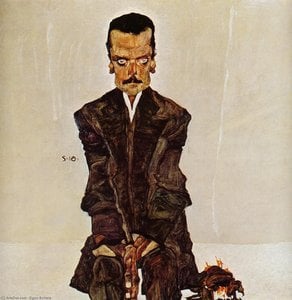
Rankiniu būdu tapytas aliejus ant droblio jūsų pageidaujamame dydį ir rėmuose – mūsų menininkų darbas pagal užsakymą. ( Pirkti spaudinį Pirkti vaizdą)





























Pasirinkite iš mūsų nustatytų dydžių, atitinkančių originalaus meno kūrinio proporcijas.

Galite įvesti savo matmenis, kad jie atitiktų konkretų rėmą ar erdvę. Jei pasirinktas dydis neatitinka originalaus paveikslėlio proporcijų, mes arba apkropsime meno kūrinį, arba papildysime tapybą rankomis dažytい elementais. Prieš pradėdami gamybą, jūsų patvirtinimui atsiųsime skaitmeninį maketą.
Atkreipkite dėmesį, kad ekrane rodomas vaizdas neatspindi tikrojo apkarpymo ar papildymo. Tik maketas tiksliai parodys galutinę kompoziciją.
Nors galima rinktis ir individualius dydžius, rekomenduojame pasirinkti matmenis iš nustatytos sąrašo, kad būtų išlaikytos originalios proporcijos.
Pristatymas visame pasaulyje () per 3–4 savaites, o ne įprastai – per 5 savaites. (6 rugsėjis). Kokybė lieka nepakeičiama.


Two Girls
Reprodukcijos matmenys
Egon Schiele’s 1911 painting, “Two Girls,” is not merely a depiction of two young women embracing; it’s a raw and intensely personal exploration of connection, vulnerability, and the ever-present shadow of mortality. Created during a tumultuous period in Schiele's life – marked by illness, loss, and his burgeoning artistic voice – the work embodies the artist’s signature style: distorted figures, unsettling gazes, and an unnerving honesty that pierces through superficial appearances.
The scene unfolds with remarkable immediacy. Two girls, their forms intertwined in a passionate embrace, dominate the composition. One girl, positioned slightly forward, gently cups the face of her companion within her hands, suggesting a tender yet possessive intimacy. The positioning of their bodies—a tangle of limbs and curves—immediately draws attention to the act of kissing, rendered with an almost brutal directness that was characteristic of Schiele’s approach. The red clothing worn by both figures acts as a vibrant counterpoint to the darker tones of the background, intensifying the emotional charge of the scene.
To fully appreciate “Two Girls,” it's crucial to understand the context in which Schiele was working. The early 1910s were a time of profound social and artistic upheaval, with Expressionism challenging traditional notions of beauty and representation. Schiele’s work reflects this shift, rejecting idealized forms in favor of distorted figures that convey inner turmoil and psychological intensity. The clock visible on the left side of the painting subtly introduces themes of time and mortality – a recurring motif in Schiele's oeuvre, often linked to his father’s death and his own awareness of life’s fragility.
The scissors in the background are particularly intriguing. While their precise meaning remains open to interpretation, they could symbolize vulnerability, potential harm, or even the act of cutting away at emotional defenses. Schiele frequently used objects within his paintings to imbue them with symbolic weight, and this detail certainly contributes to the work’s layered complexity.
Schiele’s distinctive style is immediately recognizable through his masterful use of line. He employs a dynamic, almost frantic quality—thick, gestural lines that seem to vibrate with energy—to capture the movement and emotion within the scene. The figures are rendered with an unsettling degree of detail, emphasizing their physical presence while simultaneously distorting their proportions, creating a sense of unease and psychological tension. Notice how he uses line not just to define form but also to express feeling – the curves of the bodies, the intensity of the gaze, all conveyed through the forceful application of charcoal.
The painting’s palette is deliberately restrained, dominated by dark browns, blacks, and muted reds. This somber color scheme reinforces the underlying themes of melancholy and mortality, while the vibrant red clothing draws attention to the central act of intimacy. The use of light and shadow further enhances the dramatic effect, creating a sense of depth and atmosphere.
"Two Girls" is more than just a portrait; it’s a poignant meditation on human connection, desire, and the inevitability of death. Schiele's unflinching honesty and his willingness to confront uncomfortable truths have cemented his place as one of the most important artists of the early 20th century. Reproductions of this powerful work offer a unique opportunity to experience the intensity and emotional depth of Schiele’s vision, bringing a touch of unsettling beauty and profound introspection into any space.

Austrijos pozicija dviejų pasaulinio karo horizonte buvo labai abejojanti: vienu metu ji buvo šiek tiek iš Šiaurės į rytus, lengvai įsitikinusi veiksmų vyrai. Mažėjęs šalis po 1918 m., beveik visiškai neišplitusi tarptautiniu pasauliu buvo lengvai įvykdinta Hitlerio Reichui 1938 m.; meno srityje tai reiškė kad modernizmo istorija buvo išvykstanti nuo Šiaurės iki pietų, su pagrindiniu dėmesiu į formą. Vokelių šiek tiek pripažino ekspresionizmą kaip svarbų meno srovę; jis buvo vienas iš žymiausius austrių artistas XX amžiaus pradžioje – kartu su Gustavu Klimtu ir Oskar Kokoschka išvykę į Vieną buvo laikomas vienu iš Žyduvo šimtmečio svarbiausių vizualinių menininkų.
Egonas Šylė gimė 1890 m. vasario 3 d. Tulne, Austrijoje. Jo tėvas Adolfas Šylė buvo Tulno geležinkelio stoties direktorius ir gimė 1851 m. Vienoje Adolfo Šyly tevai turėjo tris jaunesnes seseris: Elvirą, Melaniją ir Gertrūdą. Elvira mirė vaikyste dėl gimtinių sifiliso. Jo tėvas buvo užsikrėtęs sifiliu įsimėlynėje savo jaunystės metais po vienos jo naujosios žmonos išėjimo iš kambario.
Šylė mokytojo Christian Griepenkerl įtaką išgyveno Vienoje 1907 m. ir G. Klimtas tapo jo svarbiu rėmėju. Šylė paliko akademiją 1906 m., nes jos mokymo metodai buvo labai konservatyvus, ir įkūrė Naują austrių dailės grupę 1909 m. Grupėje vyravo ekspresionistinė estetika, kuri iššūkiant šiuolaikinėms kultūros normas.
Šylė buvo vienas iš žymiausius austrių artistas XX amžiaus pradžioje – kartu su Gustavu Klimtu ir Oskar Kokoschka išvykę į Vieną buvo laikomas vienu iš Žyduvo šimtmečio svarbiausių vizualinių menininkų. Šylė buvo ekspresionizmo meno srovės atstovas.
Šylė buvo žinomas dėl savo iššūkiantį įžiūrą į pasaulio problemas ir šiuolaikinę estetika, kuri iššūkiant šiuolaikinėms kultūros normas. Šylė buvo ekspresionizmo meno srovės atstovas.

1890 - 1918 , Austrija

Explore the profound world of Figurative Expressionism. Discover how masters like Munch and Schiele use the human form to convey raw emotion, and learn how to curate these evocative, museum-quality masterpieces for your private collection.

 Peržiūrėti realybėje
 Pasidalinti
 Dalintis
 Išsamiau

 Atsisiųsti
 Panašūs eksponatai
 Rentgeno nuotrauka
 Automatinė diorama

 Skaityti daugiau







 Stiklo variantas prieinamas tik pasirinkus dydį iki 110 cm