Peržiūrėti realybėjePeržiūrėti realybėje Peržiūrėti ARPeržiūrėti AR Perejti prie spausdinimo Perejti prie spausdinimoPerejti prie skaitmeninio vaizdo Perejti prie skaitmeninio vaizdo PasidalintiPasidalinti
IšsamiauIšsamiau Pridėti į mėgstamiausius Pridėti į mėgstamiausius AtsisiųstiAtsisiųsti Panašūs eksponataiPanašūs eksponatai Rentgeno nuotraukaRentgeno nuotrauka Automatinė dioramaAutomatinė diorama StatistikaStatistika

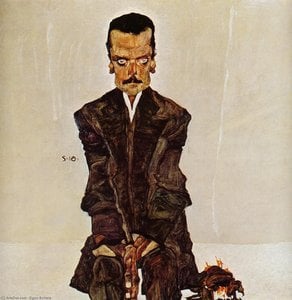
shiele - madre e bambino

Experience Egon Schiele's poignant 'Madre e Bambino.' This tender portrait captures a mother’s love, rendered with the artist’s signature expressive lines and haunting beauty. A masterpiece of emotional intensity.

Egon Šylė – Austrių ekspresionizmo dailininkas. Žiūrėkite į jo reikšmę Vienoje ir pasaulyje! Ekspresionistinio meno srovės atstovas, žinomas dėl savo psichologinės gilumo ir išraiškos.

Rankų darbo aliejinės reprodukcijos

Rankiniu būdu tapytas aliejus ant droblio jūsų pageidaujamame dydį ir rėmuose – mūsų menininkų darbas pagal užsakymą. (Perejti prie spausdinimo Perejti prie spausdinimoPerejti prie skaitmeninio vaizdo Perejti prie skaitmeninio vaizdo)

P118B $10
P118H $10
P118W $10
P438Z $10
P508JH $12
P508YH $12
P805H $10
P805Z $10
P919BZ $10
P919G $10
P919XJ $10
P959ZH $10
P968JZ $12
W106C $8
W218G $10
W218JH $8
W218Y $10
W307PJ $10
W316G $10
W316PJ $8
W316Y $10
W398PJ $8
W4111J $10
W500HY $15
W500JH $15
W692G $12
W849H $8
W940BG $15
W953PJ $8

Standartinis dydis
individualiame dydį
CM
INCH

Pasirinkite iš mūsų nustatytų dydžių, atitinkančių originalaus meno kūrinio proporcijas.

plotis
aukštis

Galite įvesti savo matmenis, kad jie atitiktų konkretų rėmą ar erdvę. Jei pasirinktas dydis neatitinka originalaus paveikslėlio proporcijų, mes arba apkropsime meno kūrinį, arba papildysime tapybą rankomis dažytい elementais. Prieš pradėdami gamybą, jūsų patvirtinimui atsiųsime skaitmeninį maketą.
Atkreipkite dėmesį, kad ekrane rodomas vaizdas neatspindi tikrojo apkarpymo ar papildymo. Tik maketas tiksliai parodys galutinę kompoziciją.
Nors galima rinktis ir individualius dydžius, rekomenduojame pasirinkti matmenis iš nustatytos sąrašo, kad būtų išlaikytos originalios proporcijos.

Ką galima pakeisti (pavyzdžiai): Pakeisti veidą į kliento nuotrauką; Pridėti augintinį (pvz., pakeisti katę šunimi); Įtraukti paslėptą žinutę fone; Pakeisti fono kraštovaizdį ar elementus.
Gavus užsakymą, WahooArt.com komanda susisieks su klientu el. paštu dėl instrukcijų ir pateiks maketo pavyzdį.

Pristatymas visame pasaulyje () per 3–4 savaites, o ne įprastai – per 5 savaites. (14 rugsėjis). Kokybė lieka nepakeičiama.

why_choose_icon
Nemokamas greitasis pristatymas visame pasaulyje
why_choose_icon
Aukštos kokybės lininis drobė
why_choose_icon
Pilnas siuntimo draudimas
why_choose_icon
Muitinės mokesčių grąžinimo garantija
why_choose_icon
Tikro spalvų atitikimo garantija
why_choose_icon
100 dienų grąžinimo politika (tik esant įtaigoms)
why_choose_icon
100% pinigų grąžinimo garantija
why_choose_icon
Nuolaida už kelias reprodukcijas

Visų darbų kaina

$ 272

reproduction

shiele - madre e bambino

Reprodukcijos technika

Reprodukcijos matmenys

-

Galutinė kaina

$ 272

Trumpos informacija

  • Influences:
    • Klimt
    • Loss
  • Location: WahooArt.com
  • Style: Intense, raw
  • Movement: Expressionism
  • Title: Madre e Bambino
  • Medium: Oil on canvas

Karo viktorina

Kiekviename klausime yra tik vienas teisingas atsakymas.

Klausimas 1:
What is the primary subject of Egon Schiele’s ‘Madre e Bambino’?
Klausimas 2:
Considering Egon Schiele’s artistic style, which of the following best describes the painting's overall mood?
Klausimas 3:
The child in ‘Madre e Bambino’ is notable for having:
Klausimas 4:
Egon Schiele’s work often explored themes of mortality and fragility. What biographical event significantly influenced his artistic focus during this period?
Klausimas 5:
Based on Schiele’s artistic style, which technique is most prominently used in ‘Madre e Bambino’?

The Tender Embrace: Egon Schiele’s “Madre e Bambino”

Egon Schiele's "Madre e Bambino," often translated as "Mother and Child," is not merely a portrait; it’s a raw, intensely felt distillation of maternal love and the unsettling awareness of mortality. Painted in 1916 during a period of profound personal and societal upheaval – the throes of World War I casting a long shadow over Europe – this oil-on-board work offers a glimpse into Schiele's uniquely expressive vision. The painting depicts a woman, her face partially obscured by the gentle curve of her child’s body, cradling him close. Her eyes are closed, lost in a moment of quiet intimacy, while the child, adorned with a simple white shirt and sporting striking red hair, leans into her embrace. It's a scene brimming with tenderness, yet simultaneously imbued with an undercurrent of melancholy—a characteristic hallmark of Schiele’s oeuvre. The composition is remarkably intimate, almost claustrophobic, drawing the viewer directly into this private moment of connection.

A Portrait of Anxiety and Vulnerability

Schiele's artistic style during this period was deeply influenced by his personal experiences – the early death of his sister, the looming threat of war, and a lifelong struggle with illness. This emotional landscape is powerfully reflected in "Madre e Bambino." The figures are rendered with an almost skeletal quality, their forms elongated and distorted, echoing the anxieties of the time. Schiele’s signature technique—bold, expressive lines that seem to vibrate with energy—is particularly evident here. He eschews smooth surfaces and idealized beauty, instead favoring a directness and honesty that can be both unsettling and profoundly moving. The use of color is restrained, dominated by earthy tones – browns, ochres, and muted greens – which contribute to the painting’s somber mood. The red hair of the child stands out dramatically against this palette, adding a touch of vibrant life amidst the prevailing sense of quietude.

Symbolism and the Weight of Existence

Beyond its immediate depiction of motherhood, “Madre e Bambino” is rich in symbolic meaning. The closed eyes of the mother suggest a surrender to the present moment, a complete absorption in her child’s needs. However, they also hint at a deeper awareness—a recognition of the fragility of life and the inevitability of loss. The child's red hair has been interpreted as representing vitality and passion, juxtaposed against the muted tones of the mother’s attire, perhaps symbolizing the transmission of these qualities across generations. The pose itself – the woman shielding her child with her body – speaks to a primal instinct for protection and nurture, but also subtly alludes to the vulnerability inherent in motherhood. Schiele frequently explored themes of death and decay in his work, and this painting is no exception; it’s a poignant meditation on the cyclical nature of life and the acceptance of mortality.

Historical Context and Artistic Legacy

Egon Schiele's tragically short life—he died at just 28 years old during the Spanish Flu pandemic—contributed significantly to the intensity and urgency of his art. He was a key figure in the Expressionist movement, alongside artists like Gustav Klimt and Oskar Kokoschka, though he developed a distinctly personal style characterized by its raw emotion and unflinching honesty. “Madre e Bambino” exemplifies this approach, offering a powerful and deeply affecting portrayal of human connection within a world grappling with uncertainty and despair. Reproductions of this work offer a remarkable opportunity to experience Schiele’s unique vision firsthand, allowing viewers to contemplate the complex interplay of love, loss, and the enduring mystery of existence. WahooArt offers meticulously crafted hand-painted reproductions that faithfully capture the nuances of Schiele's brushstrokes and the emotional depth of this iconic image, ensuring its legacy continues to resonate with audiences today. Consider a reproduction for your home or office – a testament to the power of art to evoke profound emotion and contemplation.

Autoriaus biografija

Egon Schiele

Austrijos pozicija dviejų pasaulinio karo horizonte buvo labai abejojanti: vienu metu ji buvo šiek tiek iš Šiaurės į rytus, lengvai įsitikinusi veiksmų vyrai. Mažėjęs šalis po 1918 m., beveik visiškai neišplitusi tarptautiniu pasauliu buvo lengvai įvykdinta Hitlerio Reichui 1938 m.; meno srityje tai reiškė kad modernizmo istorija buvo išvykstanti nuo Šiaurės iki pietų, su pagrindiniu dėmesiu į formą. Vokelių šiek tiek pripažino ekspresionizmą kaip svarbų meno srovę; jis buvo vienas iš žymiausius austrių artistas XX amžiaus pradžioje – kartu su Gustavu Klimtu ir Oskar Kokoschka išvykę į Vieną buvo laikomas vienu iš Žyduvo šimtmečio svarbiausių vizualinių menininkų.

Gyvenimas

Egonas Šylė gimė 1890 m. vasario 3 d. Tulne, Austrijoje. Jo tėvas Adolfas Šylė buvo Tulno geležinkelio stoties direktorius ir gimė 1851 m. Vienoje Adolfo Šyly tevai turėjo tris jaunesnes seseris: Elvirą, Melaniją ir Gertrūdą. Elvira mirė vaikyste dėl gimtinių sifiliso. Jo tėvas buvo užsikrėtęs sifiliu įsimėlynėje savo jaunystės metais po vienos jo naujosios žmonos išėjimo iš kambario.

Meno vystymasis

Šylė mokytojo Christian Griepenkerl įtaką išgyveno Vienoje 1907 m. ir G. Klimtas tapo jo svarbiu rėmėju. Šylė paliko akademiją 1906 m., nes jos mokymo metodai buvo labai konservatyvus, ir įkūrė Naują austrių dailės grupę 1909 m. Grupėje vyravo ekspresionistinė estetika, kuri iššūkiant šiuolaikinėms kultūros normas.

Žymūs kūriniai

Šylė buvo vienas iš žymiausius austrių artistas XX amžiaus pradžioje – kartu su Gustavu Klimtu ir Oskar Kokoschka išvykę į Vieną buvo laikomas vienu iš Žyduvo šimtmečio svarbiausių vizualinių menininkų. Šylė buvo ekspresionizmo meno srovės atstovas.

Žymūs veiksniai

Šylė buvo žinomas dėl savo iššūkiantį įžiūrą į pasaulio problemas ir šiuolaikinę estetika, kuri iššūkiant šiuolaikinėms kultūros normas. Šylė buvo ekspresionizmo meno srovės atstovas.

Egon Šylė

Egon Šylė

1890 - 1918 , Austrija

Trumpa informacija

  • Artistic Movement Or Style: Ekspresionizmas
  • Artists Who Influenced This Artist: ['Gustavas Klimtas']
  • Date Of Birth: 1890 m.
  • Date Of Death: 1918 m.
  • Full Name: Egon Schiele
  • Nationality: Austras
  • Notable Artworks:
    • Savęs portretas su fizižalis
    • Porą įemčianti
    • Žemės apėjimų kraštovaizdis
  • Place Of Birth: Tulnas, Austrija
Tyrinėkite meno kūrinius, suskirstytus pagal temas, stilius ir savybes.