x
Peržiūrėti realybėjePeržiūrėti realybėje Peržiūrėti ARPeržiūrėti AR Pirkti rankomis tapytą paveikslą Pirkti rankomis tapytą paveiksląPirkti vaizdą Pirkti vaizdą PasidalintiPasidalinti
IšsamiauIšsamiau Pridėti į mėgstamiausius Pridėti į mėgstamiausius AtsisiųstiAtsisiųsti Panašūs eksponataiPanašūs eksponatai Rentgeno nuotraukaRentgeno nuotrauka Automatinė dioramaAutomatinė diorama

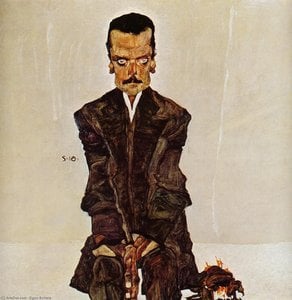
Self Portrait with Outstretched Arms

Egon Schiele's 'Self Portrait with Outstretched Arms' (1911) captures raw emotion and vulnerability through intense lines & striking form. Explore the artist’s Expressionist style and haunting themes of mortality.

Egon Šylė – Austrių ekspresionizmo dailininkas. Žiūrėkite į jo reikšmę Vienoje ir pasaulyje! Ekspresionistinio meno srovės atstovas, žinomas dėl savo psichologinės gilumo ir išraiškos.

Giclée / Meno spausdinimas

Muziejų lygio „giclée“ arba drobos spausdinimas: greita gamyba ir lankstios apdailos parinktys. (Pirkti rankomis tapytą paveikslą Pirkti rankomis tapytą paveiksląPirkti vaizdą Pirkti vaizdą)

P118B $10
P118H $10
P118W $10
P438Z $10
P508JH $12
P508YH $12
P805H $10
P805Z $10
P919BZ $10
P919G $10
P919XJ $10
P959ZH $10
P968JZ $12
W106C $8
W218G $10
W218JH $8
W218Y $10
W307PJ $10
W316G $10
W316PJ $8
W316Y $10
W398PJ $8
W4111J $10
W500HY $15
W500JH $15
W692G $12
W849H $8
W940BG $15
W953PJ $8

Standartinis dydis
individualiame dydį
CM
INCH

Pasirinkite iš mūsų nustatytų dydžių, atitinkančių originalaus meno kūrinio proporcijas.

plotis
aukštis

Galite nurodyti savo matmenis, kad vaizdas atitiktų konkretų rėmą ar erdvę. Jei pasirinktas dydis nesutaps su originalaus paveikslėlio proporcijomis, mes arba apkirpsime kūrinį, arba išplėsime vaizdą naudojant veideliu atspindėtą arba vientisą šoną. Skaitmeninis maketas bus išsiųstas jums patvirtinti prieš pradedant gamybą.
Atkreipkite dėmesį, kad ekrane matomas vaizdinys neatspindi tikrojo apkirpimo ar išplėtimo. Tik maketas tiksliai parodytų galutinę kompoziciją.
Nors galima rinktis ir individualius dydžius, rekomenduojame pasirinkti vieną iš išanksti nustatytų matmenų, kad būtų išlaikytos originalios proporcijos.

Pristatymas visame pasaulyje () per 2 weeks, o ne įprastas 4/5 savaičių laikotarpis. (4 rugsėjis)

why_choose_icon
Nemokamas greitasis pristatymas visame pasaulyje
why_choose_icon
Aukštos kokybės lininis drobė
why_choose_icon
Pilnas siuntimo draudimas
why_choose_icon
Muitinės mokesčių grąžinimo garantija
why_choose_icon
Tikro spalvų atitikimo garantija
why_choose_icon
60 dienų grąžinimo politika (tik esant gamyklinėms defektams)
why_choose_icon
100% pinigų grąžinimo garantija
why_choose_icon
Nuolaida už kelias reprodukcijas

Visų darbų kaina

$ 68

reproduction

Self Portrait with Outstretched Arms

Giclée / Meno spausdinimas

Reprodukcijos matmenys

-

Galutinė kaina

$ 68

Trumpos informacija

  • Influences: Klimt
  • Notable elements: Dance pose
  • Artistic style: Intense lines
  • Medium: Watercolor
  • Artist: Egon Schiele
  • Year: 1911

Karo viktorina

Kiekviename klausime yra tik vienas teisingas atsakymas.

Klausimas 1:
What is the primary subject depicted in Egon Schiele’s ‘Self Portrait with Outstretched Arms’?
Klausimas 2:
The painting ‘Self Portrait with Outstretched Arms’ is primarily associated with which artistic movement?
Klausimas 3:
Considering Egon Schiele's biography, what likely influenced his recurring themes of mortality and fragility?
Klausimas 4:
Based on the image description, what artistic technique is suggested by the painting’s appearance?
Klausimas 5:
What does the pose of Egon Schiele in ‘Self Portrait with Outstretched Arms’ most likely symbolize?

Egon Schiele’s ‘Self Portrait with Outstretched Arms’: A Study in Vulnerability and Intensity

Egon Schiele's “Self Portrait with Outstretched Arms,” painted in 1911, is a profoundly unsettling yet undeniably captivating work that embodies the core of Expressionism. More than just a portrait, it’s an intensely personal exploration of mortality, isolation, and the raw vulnerability of the human condition – themes that would dominate Schiele's oeuvre throughout his tragically short life. The painting immediately commands attention with its stark simplicity: a man, rendered in dark browns and ochres, stands before a plain background, his arms flung wide as if embracing an unseen force or desperately reaching for connection. This isn’t the heroic self-portrait of earlier eras; it's a stripped-down depiction of a figure grappling with something deeply internal.

Schiele’s technique is characterized by bold, gestural lines and a deliberate lack of polish. The watercolor medium lends itself beautifully to this effect, creating a sense of immediacy and spontaneity. Notice the rapid, almost frantic brushstrokes that define the contours of his body – particularly in the arms and torso – conveying a feeling of restless energy and suppressed emotion. The use of color is restrained, yet powerfully evocative; the muted tones amplify the drama of the pose and contribute to the painting’s overall atmosphere of melancholy and introspection. The subtle variations in tone suggest a masterful understanding of light and shadow, adding depth and volume to the figure.

A Portrait Shaped by Loss and Obsession

Understanding Schiele's life is crucial to interpreting this work. Born in 1890 into a family marked by illness and tragedy – his father succumbed to syphilis when Egon was just fourteen, an event that profoundly shaped his artistic vision – the painting resonates with a palpable sense of grief and anxiety. The early loss of his sister Elvira further fueled his preoccupation with mortality and the fragility of existence. The figure’s outstretched arms can be interpreted as a desperate plea for solace or perhaps a futile attempt to ward off an inevitable fate. There's a haunting quality to the pose, suggesting a man confronting his own demons.

Schiele’s fascination with trains, evident in earlier works, subtly manifests here too. The open arms evoke the image of a train speeding away, symbolizing both escape and isolation. This motif reflects Schiele’s own feelings of being adrift and disconnected from society – a characteristic that would become increasingly pronounced throughout his career. The painting is not simply about a man; it's about the experience of being human, grappling with existential questions in a world often devoid of meaning.

Symbolism and Emotional Resonance

Beyond its biographical context, “Self Portrait with Outstretched Arms” is rich in symbolic potential. The outstretched arms themselves are the most potent symbol – representing vulnerability, supplication, and perhaps even a yearning for transcendence. The lack of a face—Schiele often obscured his own features in self-portraits—further emphasizes this sense of anonymity and universality. We’re not looking at a specific individual but rather at an archetype of human suffering. The dark clothing contributes to the overall mood of somber introspection, while the simple background draws all attention to the figure's expressive posture.

The painting’s emotional impact is undeniably powerful. It evokes feelings of empathy, sadness, and a profound sense of loneliness. It’s a work that lingers in the mind long after it has been viewed, prompting reflection on our own mortality and the challenges of navigating an often-unforgiving world. Schiele's ability to distill such complex emotions into a single image is a testament to his artistic genius.

Collecting a Reproduction

WahooArt offers meticulously crafted hand-painted reproductions of Egon Schiele’s “Self Portrait with Outstretched Arms,” allowing you to bring this iconic work into your home or office. Our artists replicate Schiele's distinctive style and technique with exceptional accuracy, capturing the painting’s raw emotion and textural nuances. Whether you are an art enthusiast, a collector, or simply seeking a piece of art that speaks to the human condition, our reproduction provides a beautiful and authentic representation of this seminal work. Explore our selection today and experience the power of Schiele's vision firsthand.


Autoriaus biografija

Egon Schiele

Austrijos pozicija dviejų pasaulinio karo horizonte buvo labai abejojanti: vienu metu ji buvo šiek tiek iš Šiaurės į rytus, lengvai įsitikinusi veiksmų vyrai. Mažėjęs šalis po 1918 m., beveik visiškai neišplitusi tarptautiniu pasauliu buvo lengvai įvykdinta Hitlerio Reichui 1938 m.; meno srityje tai reiškė kad modernizmo istorija buvo išvykstanti nuo Šiaurės iki pietų, su pagrindiniu dėmesiu į formą. Vokelių šiek tiek pripažino ekspresionizmą kaip svarbų meno srovę; jis buvo vienas iš žymiausius austrių artistas XX amžiaus pradžioje – kartu su Gustavu Klimtu ir Oskar Kokoschka išvykę į Vieną buvo laikomas vienu iš Žyduvo šimtmečio svarbiausių vizualinių menininkų.

Gyvenimas

Egonas Šylė gimė 1890 m. vasario 3 d. Tulne, Austrijoje. Jo tėvas Adolfas Šylė buvo Tulno geležinkelio stoties direktorius ir gimė 1851 m. Vienoje Adolfo Šyly tevai turėjo tris jaunesnes seseris: Elvirą, Melaniją ir Gertrūdą. Elvira mirė vaikyste dėl gimtinių sifiliso. Jo tėvas buvo užsikrėtęs sifiliu įsimėlynėje savo jaunystės metais po vienos jo naujosios žmonos išėjimo iš kambario.

Meno vystymasis

Šylė mokytojo Christian Griepenkerl įtaką išgyveno Vienoje 1907 m. ir G. Klimtas tapo jo svarbiu rėmėju. Šylė paliko akademiją 1906 m., nes jos mokymo metodai buvo labai konservatyvus, ir įkūrė Naują austrių dailės grupę 1909 m. Grupėje vyravo ekspresionistinė estetika, kuri iššūkiant šiuolaikinėms kultūros normas.

Žymūs kūriniai

Šylė buvo vienas iš žymiausius austrių artistas XX amžiaus pradžioje – kartu su Gustavu Klimtu ir Oskar Kokoschka išvykę į Vieną buvo laikomas vienu iš Žyduvo šimtmečio svarbiausių vizualinių menininkų. Šylė buvo ekspresionizmo meno srovės atstovas.

Žymūs veiksniai

Šylė buvo žinomas dėl savo iššūkiantį įžiūrą į pasaulio problemas ir šiuolaikinę estetika, kuri iššūkiant šiuolaikinėms kultūros normas. Šylė buvo ekspresionizmo meno srovės atstovas.

Egon Šylė

Egon Šylė

1890 - 1918 , Austrija

Trumpa informacija

  • Artistic Movement Or Style: Ekspresionizmas
  • Artists Who Influenced This Artist: ['Gustavas Klimtas']
  • Date Of Birth: 1890 m.
  • Date Of Death: 1918 m.
  • Full Name: Egon Schiele
  • Nationality: Austras
  • Notable Artworks:
    • Savęs portretas su fizižalis
    • Porą įemčianti
    • Žemės apėjimų kraštovaizdis
  • Place Of Birth: Tulnas, Austrija
Tyrinėkite meno kūrinius, suskirstytus pagal temas, stilius ir savybes.