Peržiūrėti realaus dydžio版 Peržiūrėti AR realybėje Pirkti rankomis tapytą reprodukciją Perejti prie skaitmeninių vaizdų Siųsti
Išsamiau Vadovas Pridėti į mėgstamiausius Atsisiųsti Panašūs eksponatai Rentgeno spindulių nuotrauka Diaporama Statistika

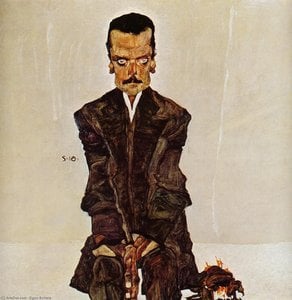
Lovemaking

Egon Šylė – Austrių ekspresionizmo dailininkas. Žiūrėkite į jo reikšmę Vienoje ir pasaulyje! Ekspresionistinio meno srovės atstovas, žinomas dėl savo psichologinės gilumo ir išraiškos.

Giclée / Meno spausdinimas

Muziejų lygio „giclée“ arba drobos spausdinimas: greita gamyba ir lankstios apdailos parinktys. ( Pirkti rankomis tapytą reprodukciją Perejti prie skaitmeninių vaizdų)

Corner sample of the P118B picture frame: moulded polystyrene, 5 cm wide and 3 cm thick
P118B €10
Corner sample of the P118H picture frame: moulded polystyrene, 5 cm wide and 3 cm thick
P118H €10
Corner sample of the P118W picture frame: moulded polystyrene, 5 cm wide and 3 cm thick
P118W €10
Corner sample of the P438Z picture frame: moulded polystyrene, 5.5 cm wide and 3.5 cm thick
P438Z €10
Corner sample of the P508JH picture frame: moulded polystyrene, 7 cm wide and 3.5 cm thick
P508JH €12
Corner sample of the P508YH picture frame: moulded polystyrene, 7 cm wide and 3.5 cm thick
P508YH €12
Corner sample of the P805H picture frame: moulded polystyrene, 5 cm wide and 3.5 cm thick
P805H €10
Corner sample of the P805Z picture frame: moulded polystyrene, 5 cm wide and 3.5 cm thick
P805Z €10
Corner sample of the P919BZ picture frame: moulded polystyrene, 7 cm wide and 3.5 cm thick
P919BZ €10
Corner sample of the P919G picture frame: moulded polystyrene, 7 cm wide and 3.5 cm thick
P919G €10
Corner sample of the P919XJ picture frame: moulded polystyrene, 7 cm wide and 3.5 cm thick
P919XJ €10
Corner sample of the P959ZH picture frame: moulded polystyrene, 5 cm wide and 3 cm thick
P959ZH €10
Corner sample of the P968JZ picture frame: moulded polystyrene, 6 cm wide and 4 cm thick
P968JZ €12
Corner sample of the W106C picture frame: solid wood, 5 cm wide and 3 cm thick
W106C €8
Corner sample of the W218G picture frame: solid wood, 5 cm wide and 3 cm thick
W218G €10
Corner sample of the W218JH picture frame: solid wood, 5 cm wide and 3 cm thick
W218JH €8
Corner sample of the W218Y picture frame: solid wood, 5 cm wide and 3 cm thick
W218Y €10
Corner sample of the W307PJ picture frame: solid wood, 6 cm wide and 3 cm thick
W307PJ €10
Corner sample of the W316G picture frame: solid wood, 6 cm wide and 3 cm thick
W316G €10
Corner sample of the W316PJ picture frame: solid wood, 6 cm wide and 3 cm thick
W316PJ €8
Corner sample of the W316Y picture frame: solid wood, 6 cm wide and 3 cm thick
W316Y €10
Corner sample of the W398PJ picture frame: solid wood, 5 cm wide and 3 cm thick
W398PJ €8
Corner sample of the W4111J picture frame: solid wood, 6.5 cm wide and 3.5 cm thick
W4111J €10
Corner sample of the W500HY picture frame: solid wood, 7 cm wide and 5 cm thick
W500HY €15
Corner sample of the W500JH picture frame: solid wood, 7 cm wide and 5 cm thick
W500JH €15
Corner sample of the W692G picture frame: solid wood, 8 cm wide and 4 cm thick
W692G €12
Corner sample of the W849H picture frame: solid wood, 5 cm wide and 3 cm thick
W849H €8
Corner sample of the W940BG picture frame: solid wood, 7.5 cm wide and 4.5 cm thick
W940BG €15
Corner sample of the W953PJ picture frame: solid wood, 6 cm wide and 3.5 cm thick
W953PJ €8

Standartinis
individualaus dydžio
CM
INCH

Pasirinkite iš mūsų nustatytų dydžių, atitinkančių originalaus meno kūrinio proporcijas.

plotis
aukštis

Galite nurodyti savo matmenis, kad vaizdas atitiktų konkretų rėmą ar erdvę. Jei pasirinktas dydis nesutaps su originalaus paveikslėlio proporcijomis, mes arba apkirpsime kūrinį, arba išplėsime vaizdą naudojant veideliu atspindėtą arba vientisą šoną. Skaitmeninis maketas bus išsiųstas jums patvirtinti prieš pradedant gamybą.
Atkreipkite dėmesį, kad ekrane matomas vaizdinys neatspindi tikrojo apkirpimo ar išplėtimo. Tik maketas tiksliai parodytų galutinę kompoziciją.
Nors galima rinktis ir individualius dydžius, rekomenduojame pasirinkti vieną iš išanksti nustatytų matmenų, kad būtų išlaikytos originalios proporcijos.

Pristatymas visame pasaulyje () per 2 weeks, o ne įprastas 4/5 savaičių laikotarpis. (11 spalis)

Nemokamas greitasis pristatymas visame pasaulyje
Aukštos kokybės lininis drobė
Pilnas siuntimo draudimas
Muitinės mokesčių grąžinimo garantija
Tikro spalvų atitikimo garantija
100 dienų grąžinimo politika (tik esant įtaigoms)
100% pinigų grąžinimo garantija
Nuolaida dideliems užsakymams

Bendroji kaina

€ 59

Lovemaking

Giclée / Meno spausdinimas

Reprodukcijos dydis

-

Visų pasirinktų variantų kaina

€ 59

Pagrindinė informacija

  • Artistic style: Egon Schiele Style
  • Medium: Painting
  • Notable elements: Nude figures
  • Dimensions: 317 x 496 cm
  • Influences: Mortality
  • Year: 1915
  • Artist: Egon Schiele

Karo viktorina

Kiekviename klausime yra tik vienas teisingas atsakymas.

Klausimas 1:
What is the primary subject matter depicted in Egon Schiele’s ‘Lovemaking’?
Klausimas 2:
The presence of three figures in the background of ‘Lovemaking’ suggests what about the painting's context?
Klausimas 3:
Considering Egon Schiele’s biography, which of the following best reflects a recurring theme in his work?
Klausimas 4:
In what year was ‘Lovemaking’ painted by Egon Schiele?
Klausimas 5:
What artistic movement is most closely associated with Egon Schiele’s style, as evidenced in ‘Lovemaking’?

A Raw Depiction of Intimacy: Egon Schiele’s “Lovemaking” (1915)

Egon Schiele's "Lovemaking," painted in 1915, is not a celebration of romantic bliss; rather, it’s a brutally honest and profoundly unsettling exploration of human connection – a moment suspended between vulnerability and raw physicality. Measuring an imposing 317 x 496 cm, the painting immediately commands attention with its intensely focused composition and the almost palpable sense of urgency radiating from the central figures. It's a work that speaks volumes about Schiele’s unique artistic vision, deeply rooted in his personal experiences and anxieties, and offers a rare glimpse into the artist’s unflinching portrayal of the human condition.

The scene unfolds with stark realism, depicting two individuals locked in an embrace. The male figure dominates the composition, positioned on top of his partner, his body taut and muscular, conveying both strength and a certain vulnerability. His gaze is averted, suggesting a preoccupation with the act itself rather than any outward expression of affection. The woman’s posture is equally arresting – she lies passively beneath him, her face partially obscured, lending an air of quiet resignation to her pose. Schiele's masterful use of line creates a dynamic tension; sharp, angular strokes define the musculature and clothing, contrasting with the softer curves of the bodies intertwined. This deliberate juxtaposition amplifies the painting’s emotional intensity.

The Shadow of Loss and Mortality

To understand “Lovemaking,” it's crucial to consider Schiele’s life during this period. 1915 was a year marked by immense personal tragedy – his sister, Elvira, died in childbirth, an event that deeply affected him and became a recurring motif in his work. The pervasive atmosphere of illness and death, exacerbated by the early loss of his father to syphilis, casts a long shadow over this painting. The presence of the three figures in the background—a silent audience or perhaps witnesses to this intimate encounter—adds another layer of complexity. They are deliberately indistinct, almost spectral, suggesting the fleeting nature of life and the inevitability of mortality. This isn’t simply a depiction of love; it's an acknowledgment of its fragility within the face of suffering.

Expressionist Techniques and Bold Color

Schiele was a key figure in the Expressionist movement, and “Lovemaking” exemplifies many of the stylistic hallmarks associated with this school. He employed a highly personal and subjective approach to representation, prioritizing emotional impact over realistic depiction. The painting’s palette is deliberately restrained – dominated by earthy tones of ochre, brown, and grey—further emphasizing the somber mood. However, Schiele utilizes subtle shifts in color and texture to create depth and drama. Notice how he builds up layers of paint to suggest form and volume, particularly in the rendering of the male figure’s torso. The use of impasto – thick application of paint – adds a tactile quality to the surface, inviting the viewer to engage with the work on a visceral level.

Symbolism and Psychological Depth

Beyond its immediate visual impact, “Lovemaking” is rich in symbolic meaning. The act of lovemaking itself can be interpreted as a desperate attempt to overcome mortality or find solace in connection. The averted gaze of the male figure suggests a withdrawal from emotional engagement, perhaps reflecting his own struggles with grief and loss. The woman’s passive posture could represent submission, vulnerability, or even a quiet acceptance of her fate. Schiele's genius lies in his ability to convey complex psychological states through seemingly simple imagery. “Lovemaking” is not merely a depiction of a physical encounter; it’s a profound meditation on the human experience – its joys, sorrows, and ultimately, its transience.

A Reproduction for Collectors and Designers

WahooArt offers meticulously crafted hand-painted reproductions of Egon Schiele's “Lovemaking,” ensuring that this powerfully evocative artwork can be enjoyed in any setting. Our skilled artisans faithfully recreate Schiele’s distinctive style, capturing the painting’s raw emotion and textural richness with exceptional detail. Whether you are a discerning art collector seeking an authentic piece for your collection or an interior designer looking to infuse a space with artistic intensity, our reproduction provides a stunning alternative to the original while preserving its historical significance and emotional resonance. Experience the unsettling beauty of “Lovemaking” – a timeless masterpiece brought to life.

问答 (or more naturally for a website heading): Klausimai ir atsakymai

Kokia yra „Lovemaking“, autorius – Egon Šylė spalvų identowość?

„Lovemaking“, autorius – Egon Šylė spalvų identitetas: Neutrals paletė, kurioje dominuoja Putty (#d7c5a4).

Kokia bendra "Lovemaking" spalvų tonacija – šviesi ar tamsi?

Visapusiškai „Lovemaking“ įtvirtinta kaip brilliant. Perceptinis ryškumas apibūdina, koks kūrinys atrodo šviesus ar tamsus.

Kokia technika buvo panaudota kūriniam darbui „Lovemaking“, autorius – Egon Šylė?

„Lovemaking“, autorius – Egon Šylė technika – Acrylic On Canvas. Kopijos siekia atkartoti šios technikos vaizdą.

Kas sukūrė „Lovemaking“?

Kūrinį „Lovemaking“ sukūrė Egon Šylė. Darbas katalogizuojamas Egon Šylė vardu.

Kur galiu įsigyti rankinio darbo „Lovemaking“, autorius – Egon Šylė reprodukciją?

Rankumų „Lovemaking“, autorius – Egon Šylė kopijos yra parduodamos šis internetinis svetainė: rankomis dažyta aliejų reprodukcija ant lininio drobos, užsisakomos per ši ši puslapį.

Kokia buvo Egon Šylė amžius sukuriant „Lovemaking"]?

Egon Šylė sukūrė „Lovemaking“ būdamas 25 metų amžiaus.ت Artistas gimė 1890, o kūrinys datuojamas 1915 metais.

Kada buvo sukurta „Lovemaking“?

„Lovemaking“, autorius – Egon Šylė kūrybos metai – 1915.


Autoriaus biografija

Egon Schiele

Austrijos pozicija dviejų pasaulinio karo horizonte buvo labai abejojanti: vienu metu ji buvo šiek tiek iš Šiaurės į rytus, lengvai įsitikinusi veiksmų vyrai. Mažėjęs šalis po 1918 m., beveik visiškai neišplitusi tarptautiniu pasauliu buvo lengvai įvykdinta Hitlerio Reichui 1938 m.; meno srityje tai reiškė kad modernizmo istorija buvo išvykstanti nuo Šiaurės iki pietų, su pagrindiniu dėmesiu į formą. Vokelių šiek tiek pripažino ekspresionizmą kaip svarbų meno srovę; jis buvo vienas iš žymiausius austrių artistas XX amžiaus pradžioje – kartu su Gustavu Klimtu ir Oskar Kokoschka išvykę į Vieną buvo laikomas vienu iš Žyduvo šimtmečio svarbiausių vizualinių menininkų.

Gyvenimas

Egonas Šylė gimė 1890 m. vasario 3 d. Tulne, Austrijoje. Jo tėvas Adolfas Šylė buvo Tulno geležinkelio stoties direktorius ir gimė 1851 m. Vienoje Adolfo Šyly tevai turėjo tris jaunesnes seseris: Elvirą, Melaniją ir Gertrūdą. Elvira mirė vaikyste dėl gimtinių sifiliso. Jo tėvas buvo užsikrėtęs sifiliu įsimėlynėje savo jaunystės metais po vienos jo naujosios žmonos išėjimo iš kambario.

Meno vystymasis

Šylė mokytojo Christian Griepenkerl įtaką išgyveno Vienoje 1907 m. ir G. Klimtas tapo jo svarbiu rėmėju. Šylė paliko akademiją 1906 m., nes jos mokymo metodai buvo labai konservatyvus, ir įkūrė Naują austrių dailės grupę 1909 m. Grupėje vyravo ekspresionistinė estetika, kuri iššūkiant šiuolaikinėms kultūros normas.

Žymūs kūriniai

Šylė buvo vienas iš žymiausius austrių artistas XX amžiaus pradžioje – kartu su Gustavu Klimtu ir Oskar Kokoschka išvykę į Vieną buvo laikomas vienu iš Žyduvo šimtmečio svarbiausių vizualinių menininkų. Šylė buvo ekspresionizmo meno srovės atstovas.

Žymūs veiksniai

Šylė buvo žinomas dėl savo iššūkiantį įžiūrą į pasaulio problemas ir šiuolaikinę estetika, kuri iššūkiant šiuolaikinėms kultūros normas. Šylė buvo ekspresionizmo meno srovės atstovas.

Egon Šylė

Egon Šylė

1890 - 1918 , Austrija

Trumpa informacija apie kūrėją

  • Artistic Movement Or Style: Ekspresionizmas
  • Artists Who Influenced This Artist: ['Gustavas Klimtas']
  • Date Of Birth: 1890 m.
  • Date Of Death: 1918 m.
  • Full Name: Egon Schiele
  • Nationality: Austras
  • Notable Artworks:
    • Savęs portretas su fizižalis
    • Porą įemčianti
    • Žemės apėjimų kraštovaizdis
  • Place Of Birth: Tulnas, Austrija
Tyrinėkite meno kūrinius, suskirstytus pagal temas, stilius ir savybes.