Muziejų lygio „giclée“ arba drobos spausdinimas: greita gamyba ir lankstios apdailos parinktys. ( Pirkti rankų darbo tapybą Perejti prie skaitmeninių vaizdų)





























Pasirinkite iš mūsų nustatytų dydžių, atitinkančių originalaus meno kūrinio proporcijas.

Įveskite jums reikiamą plotį ir aukštį, kad atvaizdas derėtų prie jūsų rėmo ar sienos. Spausdiną galima tik sumažinti, bet nepadidinti virš originalaus paveikslėlio dydžio, todėl keičiant proporcijas, dalis vaizdo prarandama. Prieš spausdinimą atsiųsime jums skaitmeninį maketą patvirtinimui. Šioje puslapio nuotraukoje matomas pjūvis nėra tikslus – jį rodo tik maketas.
Pristatymas visame pasaulyje () per 2 weeks, o ne įprastas 4/5 savaičių laikotarpis. (8 lapkritis)
green stockings
Reprodukcijos matmenys
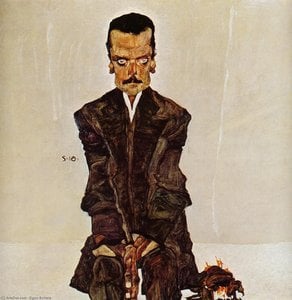
Egon Schiele's "Green Stockings," painted in 1914, isn’t merely a depiction of a woman in a white dress and vibrant green stockings; it’s a raw, unflinching exploration of the human psyche – a window into the artist’s own turbulent inner world. This oil on canvas work, now residing within the Leopold Museum in Vienna, exemplifies the core tenets of Expressionism, utilizing bold color, distorted forms, and an intensely emotional palette to convey a sense of profound unease and vulnerability. Schiele, born in Tulln an der Donau, Austria, in 1890 – a region steeped in artistic tradition yet shadowed by personal tragedy – channeled his experiences into every brushstroke, creating images that resonate with a haunting intensity.
The painting immediately draws the eye to the striking contrast of the woman’s white dress against the assertive green of her stockings. This deliberate juxtaposition isn't simply decorative; it speaks to a complex interplay of innocence and transgression, restraint and suppressed desire. Schiele’s technique is characterized by rapid, almost frantic brushstrokes, particularly evident in the rendering of the figure’s body. The lines are not smooth or idealized, but rather jagged and fragmented, mirroring the emotional turmoil he sought to capture. He employed a technique known as “pointillism” – applying small dots of color – which contributes to the painting's shimmering quality and adds to its overall sense of movement and instability. Notice how the background is deliberately muted, almost dissolving into a hazy gray, further emphasizing the central figure and intensifying her isolation.
“Green Stockings” is deeply rooted in Schiele’s personal anxieties and his fascination with mortality, themes that permeated much of his oeuvre. The green itself carries significant symbolic weight – often associated with envy, jealousy, or even illicit passion. The stockings themselves can be interpreted as a symbol of vulnerability, exposing the figure's legs and hinting at a potential for exposure or danger. The woman’s averted gaze, directed slightly off-camera, adds another layer of intrigue. She isn’t inviting connection; she’s guarding herself, projecting an aura of guardedness and perhaps even fear. Schiele frequently explored themes of sexuality and the human condition in his work, often depicting figures in states of heightened emotional intensity or physical vulnerability – a direct reflection of his own struggles with illness and loss.
“Green Stockings” firmly places Schiele within the context of Expressionism, a movement that rejected traditional artistic conventions in favor of subjective experience. Artists like Edvard Munch and Vincent van Gogh had paved the way for this shift, prioritizing emotional truth over realistic representation. Schiele’s work aligns with this ethos by distorting form and color to express inner feelings rather than simply mirroring external reality. The painting's raw energy and psychological depth are hallmarks of Expressionism – a movement that sought to capture the anxieties and uncertainties of modern life. It is important to note Schiele's unique approach, often described as “self-expressionism,” where he used his art as a means of confronting his own demons.
Owning a reproduction of "Green Stockings" offers more than just an aesthetic addition to your space; it’s an opportunity to connect with one of the most compelling and emotionally resonant works of the 20th century. WahooArt.com meticulously recreates this masterpiece using skilled artisans and high-quality materials, ensuring a museum-worthy finish that captures every nuance of Schiele's original vision. Whether you’re an art enthusiast, a collector seeking to expand your collection, or simply someone drawn to the painting’s haunting beauty, a handmade oil painting reproduction provides a tangible link to this pivotal work of Expressionist art. Explore the related works and artist biographies on WahooArt.com for a deeper understanding of Egon Schiele's legacy.
„green stockings“ galima įsigyti kaip rankomis dažyta aliejaus reprodukcija ant lininio drobos. Užsakymą galite padaryti specialioje Rankų darbo aliejinis reprodukcija puslapio, pasirinkę tinkamą dydį.
„green stockings“ siūloma naudoti Accent, o rekomenduojama erdvė – Living Room.
„green stockings“ – Egon Šylė užfiksuotas kaip brilliant, pasižymintis Luminous šviesos intensyvumu.

Austrijos pozicija dviejų pasaulinio karo horizonte buvo labai abejojanti: vienu metu ji buvo šiek tiek iš Šiaurės į rytus, lengvai įsitikinusi veiksmų vyrai. Mažėjęs šalis po 1918 m., beveik visiškai neišplitusi tarptautiniu pasauliu buvo lengvai įvykdinta Hitlerio Reichui 1938 m.; meno srityje tai reiškė kad modernizmo istorija buvo išvykstanti nuo Šiaurės iki pietų, su pagrindiniu dėmesiu į formą. Vokelių šiek tiek pripažino ekspresionizmą kaip svarbų meno srovę; jis buvo vienas iš žymiausius austrių artistas XX amžiaus pradžioje – kartu su Gustavu Klimtu ir Oskar Kokoschka išvykę į Vieną buvo laikomas vienu iš Žyduvo šimtmečio svarbiausių vizualinių menininkų.
Egonas Šylė gimė 1890 m. vasario 3 d. Tulne, Austrijoje. Jo tėvas Adolfas Šylė buvo Tulno geležinkelio stoties direktorius ir gimė 1851 m. Vienoje Adolfo Šyly tevai turėjo tris jaunesnes seseris: Elvirą, Melaniją ir Gertrūdą. Elvira mirė vaikyste dėl gimtinių sifiliso. Jo tėvas buvo užsikrėtęs sifiliu įsimėlynėje savo jaunystės metais po vienos jo naujosios žmonos išėjimo iš kambario.
Šylė mokytojo Christian Griepenkerl įtaką išgyveno Vienoje 1907 m. ir G. Klimtas tapo jo svarbiu rėmėju. Šylė paliko akademiją 1906 m., nes jos mokymo metodai buvo labai konservatyvus, ir įkūrė Naują austrių dailės grupę 1909 m. Grupėje vyravo ekspresionistinė estetika, kuri iššūkiant šiuolaikinėms kultūros normas.
Šylė buvo vienas iš žymiausius austrių artistas XX amžiaus pradžioje – kartu su Gustavu Klimtu ir Oskar Kokoschka išvykę į Vieną buvo laikomas vienu iš Žyduvo šimtmečio svarbiausių vizualinių menininkų. Šylė buvo ekspresionizmo meno srovės atstovas.
Šylė buvo žinomas dėl savo iššūkiantį įžiūrą į pasaulio problemas ir šiuolaikinę estetika, kuri iššūkiant šiuolaikinėms kultūros normas. Šylė buvo ekspresionizmo meno srovės atstovas.

1890 - 1918 , Austrija

Atraskite 25 įspūdingiausius Egon Schiele šedevrus! Gilinkitės į ekspresionizmo pasaulį, portretų istorijas ir unikalią menininko spalvų paletę. Aukštos kokybės reprodukcijos interjerui – WahooArt.lt
Atraskite ekspresionizmo šedevrus! 10 įtakingiausių meno kūrinių, atskleisiančių Muncho, Kirchnerio ir kitų meistrų emocijas. Išmokite apie tapybos stilius bei spalvų paletę. Aukščiausios kokybės dailės reprodukcijos jūsų namams – WahooArt.com.

Explore the emotionally charged world of Egon Schiele (1890-1918). Discover his Expressionist masterpieces, psychological themes, and lasting impact on modern art. A comprehensive guide for collectors & enthusiasts.

Explore the rich history & symbolism of green in art! Discover iconic paintings, techniques, and how to bring verdant harmony into your home with WahooArt's expert guide.

Explore 10 famous paintings where 'Chrome Green' reigns supreme! Discover Monet, Manet & Van Gogh’s masterpieces. Learn the stories behind these iconic artworks and find museum-quality art reproductions for your home at .
 Peržiūrėti realaus dydžio版
 Pasidalinti
 Dalintis
 Išsamiau
 Vadovas

 Atsisiųsti
 Panašūs eksponatai
 Rentgeno spindulių nuotrauka
 Automatinė diorama
 问答
问答
 Statistika
 Skaityti daugiau









 Stiklo variantas prieinamas tik pasirinkus dydį iki 110 cm