

Šiame puslapyje rodomas meno kūrinys yra saugomas autorių teisių įstatymais, todėl neturime teisės legaliai kurti ar parduoti jo identiškos reprodukcijos. Ši apsauga užtikrinama remiantis tokiais tarptautiniais susitarimais kaip Bernės konvencija ir pagal nacionalines įstatymų nuostatas, įskaitant tas, kurias nurodo JAV autoriškos teisės įstatymas – 17-asis skyrius.
Šis metodas visiškai atitinka autorių teises, nes jame nėra saugomo kūrinio kopijavimo ar dubliavimo. Tai yra kūrybinė reinterpretacija – naujas paveikslas, kurį įkvėpė originalas, tačiau kuris nėra jo identiškas.
Muziejų lygio „giclée“ arba drobos spausdinimas: greita gamyba ir lankstios apdailos parinktys. ( Pirkti rankų darbo tapybą Perejti prie skaitmeninių vaizdų)





























Pasirinkite iš mūsų nustatytų dydžių, atitinkančių originalaus meno kūrinio proporcijas.

Įveskite jums reikiamą plotį ir aukštį, kad atvaizdas derėtų prie jūsų rėmo ar sienos. Spausdiną galima tik sumažinti, bet nepadidinti virš originalaus paveikslėlio dydžio, todėl keičiant proporcijas, dalis vaizdo prarandama. Prieš spausdinimą atsiųsime jums skaitmeninį maketą patvirtinimui. Šioje puslapio nuotraukoje matomas pjūvis nėra tikslus – jį rodo tik maketas.
Pristatymas visame pasaulyje () per 2 weeks, o ne įprastas 4/5 savaičių laikotarpis. (15 lapkritis)
High Road
Reprodukcijos matmenys
In the delicate watercolor High Road, we are invited into a world that feels suspended in time, a quintessential expression of Edward Hopper’s ability to find profound meaning within the stillness of a rural landscape. At the heart of this composition lies a modest white house, its prominent red roof serving as a warm anchor amidst a sea of lush greenery. A winding road leads the eye through the scene, suggesting a journey that is as much internal as it is physical. The presence of two individuals standing outside the dwelling adds a layer of human narrative; their postures, caught in a moment of contemplation or perhaps simple daily labor, evoke a sense of quiet engagement with the earth and the atmosphere around them.
The painting captures more than just a landscape; it captures a mood. A smaller building punctuates the background, providing a sense of community context that prevents the scene from feeling entirely isolated, while a parked automobile rests by the roadside, a subtle nod to the encroaching modern life unfolding against the timeless backdrop of rural America. There is a beautiful tension here between the permanence of the landscape and the fleeting nature of the human moment.
Hopper’s approach in High Road demonstrates a masterful command of watercolor, a medium that allows for the subtle tonal variations and atmospheric effects essential to his aesthetic. Through meticulous realism blended with an understated expressive quality, the artist manipulates light to create a sense of depth and clarity. Rather than relying on heavy, illusionistic shadows, he employs a flattened perspective that prioritizes the purity of form. This technique contributes significantly to the painting's characteristic sense of detachment and stillness.
The way the light interacts with the white walls of the house and the verdant foliage creates a luminous quality that feels both natural and dreamlike. For collectors and interior designers, this piece offers a sophisticated interplay of color and light, making it an ideal focal point for spaces that require a sense of calm, clarity, and refined elegance. The soft textures of the watercolor medium lend themselves to a gentle integration into various decor styles, from contemporary minimalism to classic traditionalism.
Painted during the era of 1940-1941, High Road emerged from a period when Hopper was deeply influenced by the currents of Surrealism and Expressionism. Yet, true to his unique vision, he deliberately eschewed the melodrama often found in those movements. Instead, he opted for a psychologically resonant portrayal of the human experience. The painting reflects the broader anxieties and uncertainties of the early 1940s—a time marked by the disillusionment following World War I and the rapid pace of urbanization—yet it simultaneously radiates a profound sense of peace and acceptance.
Beyond its literal depiction of a small-town setting, the work carries deep symbolic weight. The solitary figures and the quiet landscape serve as metaphors for the human condition, representing a state of being that is both peaceful and introspective. To possess a reproduction of High Road is to bring into one's home a piece of American history that celebrates the beauty found in solitude and the enduring tranquility of the natural world.
„High Road“ – Edwardas Hopperis pasižymi Calm atmosfera ir yra rekomenduojamas Living Room. Nuotaika – tai tai, ką šis kūrinys suteikia aplinkinei erdvėje.
„High Road“ technika – Watercolor.
Pagrindinė „High Road“ spalva – Putty (#ccd9d4). Dominuojančia spalva padeda lengviau suderinti kūrinį su interjeru.


Step into the evocative world of American Realism with our curated guide to the 25 most iconic Edward Hopper paintings. Explore the profound beauty of light, shadow, and urban solitude through museum-quality art stories and decor inspiration. Discover all masterpieces on WahooArt.com.

Explore the evolution of pastoral landscapes from Titian to Impressionism with expert analysis. Discover the beauty of classical art today.
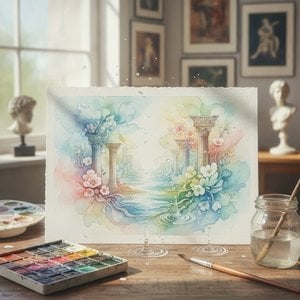
Discover the ethereal mastery of watercolor. Explore expert insights into light, fluidity, and historical techniques used by masters to create luminous, translucent landscapes and delicate floral compositions for the discerning art collector.

Explore the profound beauty of ethereal art. Discover how masters of Symbolism and Romanticism capture light, spirit, and dreamlike landscapes through evocative textures and atmospheric depth in this expert guide to classical artistry.

Discover the ethereal beauty of watercolor through an art-historical lens. Master the delicate balance of light, fluidity, and pigment to capture the luminous essence of nature, inspired by the legendary techniques of the Old Masters and Impressionist greats.
 Peržiūrėti realaus dydžio版
 Pasidalinti
 Dalintis
 Išsamiau
 Vadovas

 Atsisiųsti
 Panašūs eksponatai
 Rentgeno spindulių nuotrauka
 Automatinė diorama
 问答
问答
 Statistika

 Skaityti daugiau









 Stiklo variantas prieinamas tik pasirinkus dydį iki 110 cm


