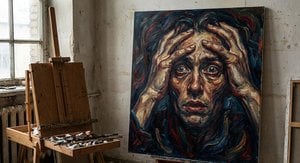
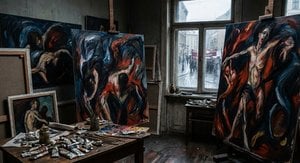
A Window into the Soul: Exploring Inner Turmoil
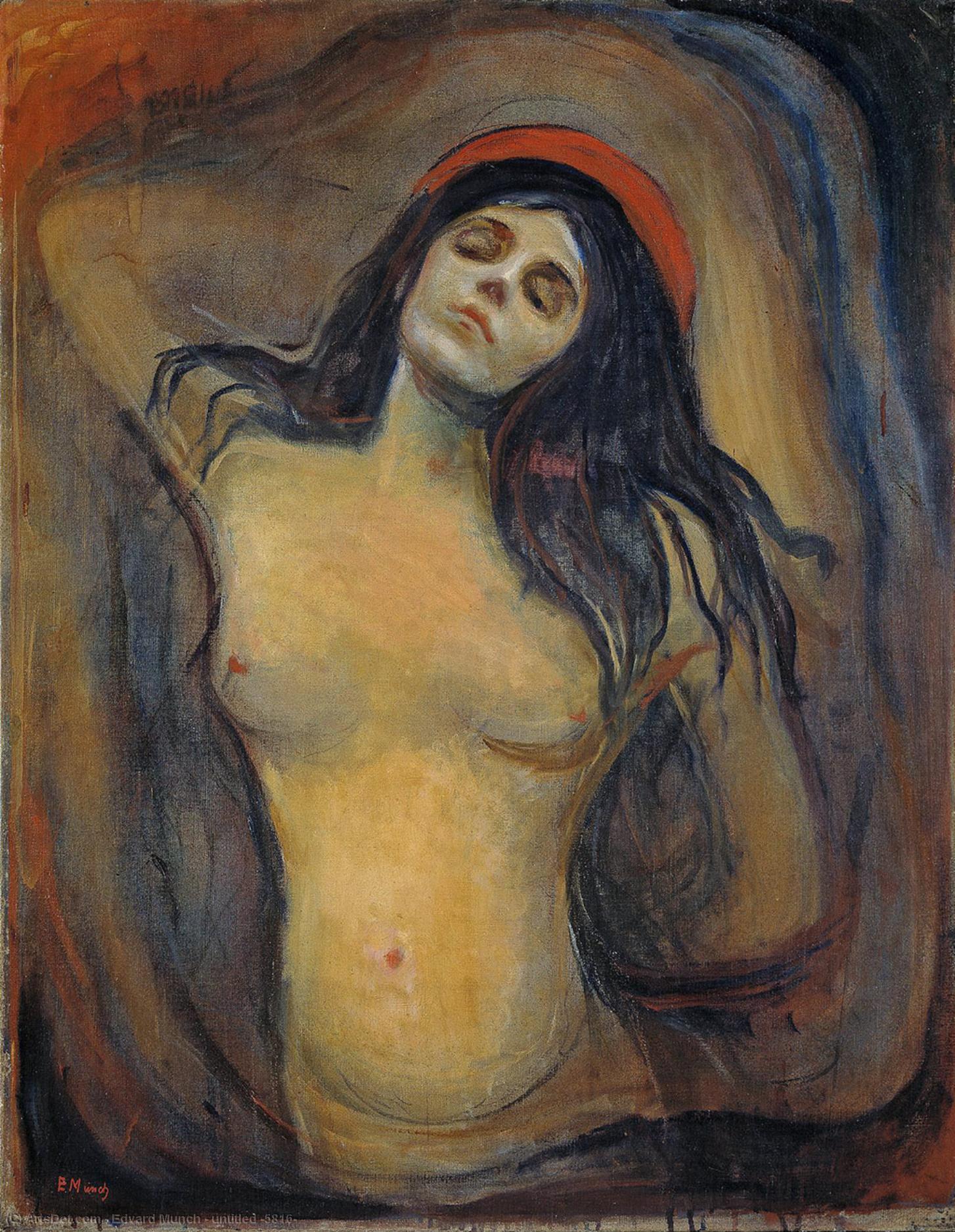
This powerfully emotive oil painting by Edvard Munch presents a nude female figure consumed by profound psychological distress. It’s an artwork that immediately strikes the viewer not for its depiction of conventional beauty, but for its raw honesty and unrestrained expression – hallmarks of the burgeoning Expressionist movement. This isn't merely an image; it is a visceral portrayal of inner experience, rendered with palpable vulnerability.
Style & Technique: The Language of Emotion
Munch’s technique is central to conveying this emotional weight. Characterized by loose, gestural brushstrokes and a deliberately chaotic composition, the painting eschews precise representation in favor of feeling.
Impasto – the thick application of paint – creates a tactile surface that emphasizes the physicality of emotion itself. Lines are expressive and flowing, prioritizing sensation over form, while a flattened perspective intensifies immediacy, drawing the viewer directly into the figure’s psychological space. The dominance of organic shapes mirrors the fluidity of emotional states, and dramatic lighting casts stark contrasts, highlighting areas of tension and shrouding others in shadow – a visual metaphor for the hidden depths of the psyche.
Subject & Symbolism: A Cry from Within
The central subject, a nude woman, is positioned diagonally across the canvas, leaning forward with arms raised towards her head. This pose is deeply evocative, suggesting surrender, despair, or even a desperate plea for help. Her contorted form and anguished expression speak to a state of intense emotional upheaval. While the specific narrative remains open to interpretation, the work resonates with universal themes of suffering, anxiety, and introspection – experiences Munch himself knew intimately. The darkness surrounding the figure amplifies her isolation and vulnerability, focusing all attention on her internal struggle.
The pose itself can be interpreted as a symbol of helplessness or an attempt to shield oneself from overwhelming emotional pain.
Historical Context: Dawn of Expressionism
Created during a period of significant social and intellectual change in the late 19th and early 20th centuries, this painting reflects the anxieties of its time. Munch was deeply influenced by philosophical currents questioning traditional values and exploring the darker aspects of human existence. He rejected academic artistic conventions, embracing a subjective and emotionally driven approach – a key tenet of Expressionism. Munch’s work paved the way for future generations of artists to explore the inner world with unprecedented honesty and intensity, influencing movements like Fauvism and German Expressionism.
Emotional Impact & Contemporary Resonance
This painting is not simply an image to be observed; it's an experience to be *felt*. It evokes a visceral response in the viewer, prompting empathy and reflection on their own emotional landscapes. The work’s enduring power lies in its ability to tap into universal human emotions – feelings of loneliness, fear, and despair – that transcend time and culture.
- For art lovers: A compelling example of Expressionist mastery.
- For collectors: A significant piece representing a pivotal moment in art history.
- For interior designers: A powerful focal point, adding depth and emotional complexity to any space. A reproduction would serve as a conversation starter and evoke thoughtful contemplation.
Its raw honesty continues to resonate with contemporary audiences, making it a compelling piece for those seeking art that speaks to the core of the human condition.



 Užsisakyti kopiją
 Pasidalinti
 Dalintis
 Išsamiau

 Atsisiųsti
 Panašūs eksponatai
 Rentgenogramą
 Automatinė diorama

 Skaityti daugiau






































 Stiklo variantas prieinamas tik pasirinkus dydį iki 110 cm