Autoriaus biografija
Edvard Munkas: Šešėlių ir Jausmų Simfonija
Edvardas Munkas, gimęs 1863 metais Adalsbruko kaime, Norvegijoje, tapo menininku, kurio kūriniai amžiams įtvirtino modernios eros nerimą ir emocinį sukrėtimą. Jo gyvenimas, giliai pažymėtas nuostolių ir visapusiškos melancholijos, buvo neatsiejamas nuo jo išskirtinio meno. Vaikystės šešėlį metė motinos ir sesers ankstyva mirtis nuo tuberkuliozės – tragedija, kuri įskiepijo jam obsesiją dėl mirtingumo, ligų ir žmogaus egzistencijos trapumo. Tėvo griežtos religinės nuostatos bei jo pačių kovos su psichikos liga dar labiau sustiprino Munką apėmusį baimės jausmą, formavusį ne tik asmeninį gyvenimą, bet ir jo paveikslų simbolinę kalbą. Jis ne tiesiog piešė scenas; jis išreikšdavo savo vidinį pasaulį, psichologinius sukrėtimus paversdamas vizualia forma.
Meninės Virsmo Genesis: Įtaka ir Raida
Munkas formaliai mokėsi Karališkajame meno ir dizaino institute Kristianijoje (dabartinė Osle), tačiau jo kūrybos ugnį uždegė susidūrimas su bohemišku pasauliu ir Hanso Jægerio nihiliistinės filosofijos įtaka. Jægeris skatino Munką atsisakyti tradicinių akademinių stilių ir pasinerti į savo subjektyvios patirties gelmes, ką menininkas pavadino „sielos tapybos“ koncepcija. Šis lūžis pažymėjo pradžią Munkui būdingam stiliui – žiauriai emocijai, iškreiptoms formoms ir atsisakymui nuo natūralistinio vaizdavimo. Kelionės į Paryžių 1890-ųjų dešimtmetyje atvėrė jam Post-Impressionistų judėjimo duris, kur jis pasisemė įkvėpimo iš tokių menininkų kaip Paulis Gauguinas, Vincentas van Goghas ir Henri de Toulouse-Lautrec. Šių meistrų ryškios spalvos, ekspresyvūs potėliai ir psichologinis intensyvumas giliai atrezgėjo Munkui. Jis ne tiesiog kopijavo jų techniką; jis sintezavo jas į kažką unikalaus – vizualinę kalbą, pajėgią perteikti pačius giluminius ir nerimą keliantį žmogaus emocijas. Taip pat svarbi buvo jo viešnagė Berlyne, kuri padėjo susipažinti su dramaturgu Augustu Strindbergu, kurio psichologinių temų tyrinimas dar labiau sustūmė Munką į meninius eksperimentus.
Ikoniškos Vizijos: Pagrindiniai Darbai ir Jų Simbolinė Naštą
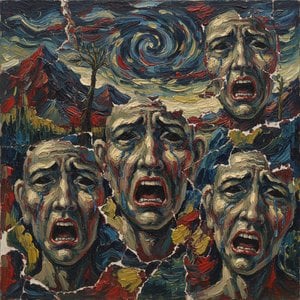
Munkui skirta kūrinių galerija kupina vaizdų, kurie tapo giliai įsišaknyję bendroje sąmonėje. „Šauksmas“, galbūt jo žinomiausias darbas, pranoksta paveikslo statusą ir tampa universaliu egzistencinio nerimo simboliu. Sūkuriuojantis, ugninis kraštovaizdis ir figūros iškreiptas veidas įkūnija pirminį šauksmą prieš visatos abejingumą. „Madona“, kontroversiška ir giliai asmeniška kūrinys, tyrinėja seksualumo, motinystės ir mirtingumo temas su nerimą keliančiu atvirumu. Pakartotiniai motifai, tokie kaip „Sergantis vaikas“ – įkvėptas jo sesers Sofijos netekties – yra skaudūs priminimai apie Munkui vaikystėje paliktą traumą ir visada artėjančią mirties šešėlį. „Melancholija I ir II“, gilią liūdesio ir vienatvės parodantys paveikslai, atskleidžia pažeidžiamumą, kuris yra tiek giliai asmeniškas, tiek universaliai suvokiamas. Šie darbai nėra tiesiog atvaizdai išorinės realybės; tai langai į menininko sielą, suteikiantys žiūrovams beprotišką pažvelgimą į žmogaus psichikos tamsiausius kampelius. Munkas nesiekė sukurti gražių paveikslų; jis siekė perteikti tiesą – net jei ta tiesa buvo skausminga ir nerimą kelianti.
Pavelės Palikimas: Istorinė Signifikacija ir Nuolatinis Įtaka
Edvardo Munkui indėlis į moderniąją dailę yra neįvertinamas. Jis stovi kaip kertinis veikėjas formuojant Ekspresionizmą, atverdamas kelią menininkams, kurie prioritetą teikia subjektyvioms emocijoms virš objektyvaus vaizdavimo. Jo nesavanaudingo tyrinimo apie universalią žmogaus patirtį – meilę, nuostolius, nerimą ir mirtį – poveikis išlieka iki šių dienų, įtvirtindamas jo vietą kaip vieno svarbiausių ir ilgiausiai trunkanciu menininkų pasaulyje. Jo darbai giliai paveikė paskesnes kartas menininkų, paveikdami tokius judėjimus kaip Vokietijos ekspresionizmas ir kitus. Jis drąsiai susidūrė su žmogaus būties tamsiais aspektais, iššaukdamas tradicinius grožio ir meno atvaizdo suvokimą. Netgi pasiekęs šlovę ir pripažinimą – kulminacija tapo Munkio muziejaus įkūrimu Osle – jo asmeninis gyvenimas liko neramus, pažymėtas psichikos nestabilumo ir vienatvės laikotarpiais. Tačiau per viską jis tęsė kurti, palikdamas kūrinių rinkinį, kuris ir toliau provokuoja, iššaukia ir įkvepia. Munkui palikimas yra ne tik patys paveikslai; tai drąsa susidurti su žmogaus egzistencijos sudėtingumu ir versti tuos reiškinius į meną, kalbantį į mūsų esybės giliausius aspektus.



 Peržiūrėti realaus dydžio版
 Pirkti rankomis tapytą reprodukciją
 Siųsti
 Dalintis
 Išsamiau
 Vadovas

 Atsisiųsti
 Panašūs eksponatai
 Rentgeno spindulių nuotrauka
 Diaporama
 Statistika

 Rodyti daugiau






































 Stiklo variantas prieinamas tik pasirinkus dydį iki 110 cm