
Muziejų lygio „giclée“ arba drobos spausdinimas: greita gamyba ir lankstios apdailos parinktys. ( Pirkti rankų darbo tapybą Perejti prie skaitmeninių vaizdų)





























Pasirinkite iš mūsų nustatytų dydžių, atitinkančių originalaus meno kūrinio proporcijas.

Įveskite jums reikiamą plotį ir aukštį, kad atvaizdas derėtų prie jūsų rėmo ar sienos. Spausdiną galima tik sumažinti, bet nepadidinti virš originalaus paveikslėlio dydžio, todėl keičiant proporcijas, dalis vaizdo prarandama. Prieš spausdinimą atsiųsime jums skaitmeninį maketą patvirtinimui. Šioje puslapio nuotraukoje matomas pjūvis nėra tikslus – jį rodo tik maketas.
Pristatymas visame pasaulyje () per 2 weeks, o ne įprastas 4/5 savaičių laikotarpis. (8 lapkritis)
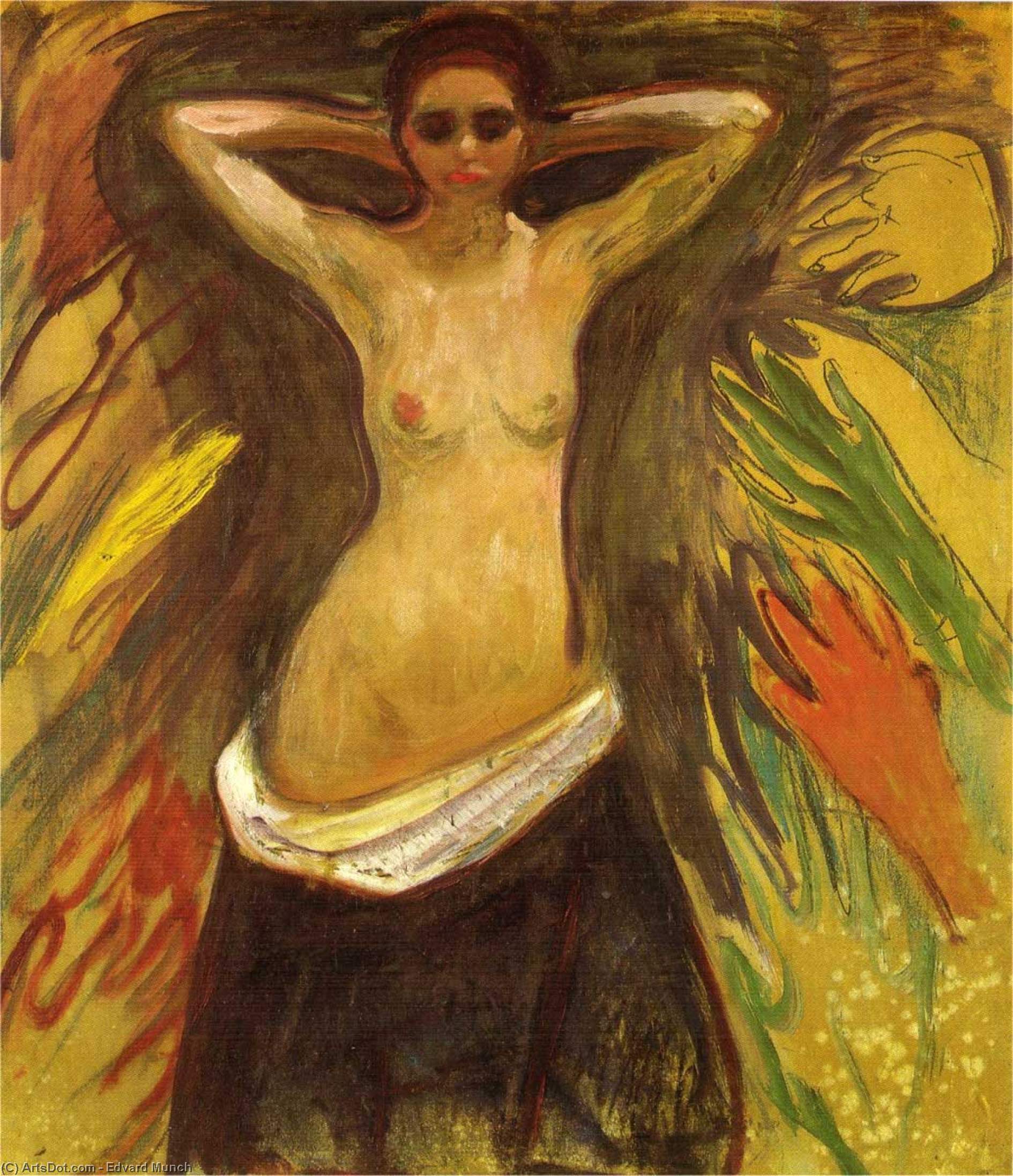
Hands
Reprodukcijos matmenys
Edvard Munch, a titan of modern art, remains eternally etched in the collective consciousness as the creator of “The Scream,” an image synonymous with existential dread and psychological torment. Yet, beyond this iconic masterpiece lies another compelling work – “Hands,” painted in 1893, which offers a nuanced glimpse into Munch’s artistic vision and delves deeper into themes of vulnerability and emotional turmoil.
This haunting depiction portrays a woman clutching her head with both hands, an arresting composition that immediately draws the viewer into a realm of palpable anxiety. Painted during Munch's formative years as an Expressionist artist, “Hands” exemplifies the movement’s core tenets: prioritizing subjective experience and conveying inner emotional states above objective representation.
“Hands” transcends its surface depiction; it operates on multiple symbolic levels. The woman's gesture – clutching her head – is interpreted as representing profound distress, mirroring Munch’s own battles with mental illness and his personal experiences of trauma. It speaks to the universal human condition—the struggle against overwhelming emotion and the yearning for solace.
Furthermore, the painting resonates with broader artistic traditions concerned with capturing light and shadow to heighten dramatic effect – a technique known as chiaroscuro – which Munch skillfully employs to intensify the emotional resonance of the scene. The artwork’s enduring power lies in its ability to provoke contemplation on themes of anxiety, vulnerability, and the complexities of human emotion.
"Hands" stands as a testament to Munch's pioneering role in shaping Expressionism and influencing subsequent generations of artists. Its unflinching portrayal of psychological anguish continues to captivate audiences today, reminding us of the enduring relevance of art’s capacity to explore the darkest recesses of human experience.
Formatas (Portrait) ir rekomenduojama erdvė (Living Room) yra du nurodyti išdėstymo faktai kūriniui „Hands“ – Edvardas Munkas.
„Hands“ siejama su Melancholic jausmu. Emocinis tonas aprašo įspūdį, kurį sukelia kūrinys.
Visapusiškai „Hands“ įtvirtinta kaip balanced. Perceptinis ryškumas apibūdina, koks kūrinys atrodo šviesus ar tamsus.


1863 - 1944 , Švedija

Explore the profound psychological depths of Symbolic Expressionism. From Edvard Munch’s visceral landscapes to the emotive power of color, discover how art unveils hidden human emotions through a sophisticated lens of art history and mastery.

Discover the profound power of Expressionist art. From the raw intensity of Edvard Munch to the visceral textures of Neo-Expressionism, explore how subjective emotion and distorted reality define this movement. An expert guide for discerning collectors seeking depth and soul in fine art.
 Peržiūrėti realaus dydžio版
 Pasidalinti
 Dalintis
 Išsamiau
 Vadovas

 Atsisiųsti
 Panašūs eksponatai
 Rentgeno spindulių nuotrauka
 Automatinė diorama
 问答
问答
 Statistika

 Skaityti daugiau









 Stiklo variantas prieinamas tik pasirinkus dydį iki 110 cm


