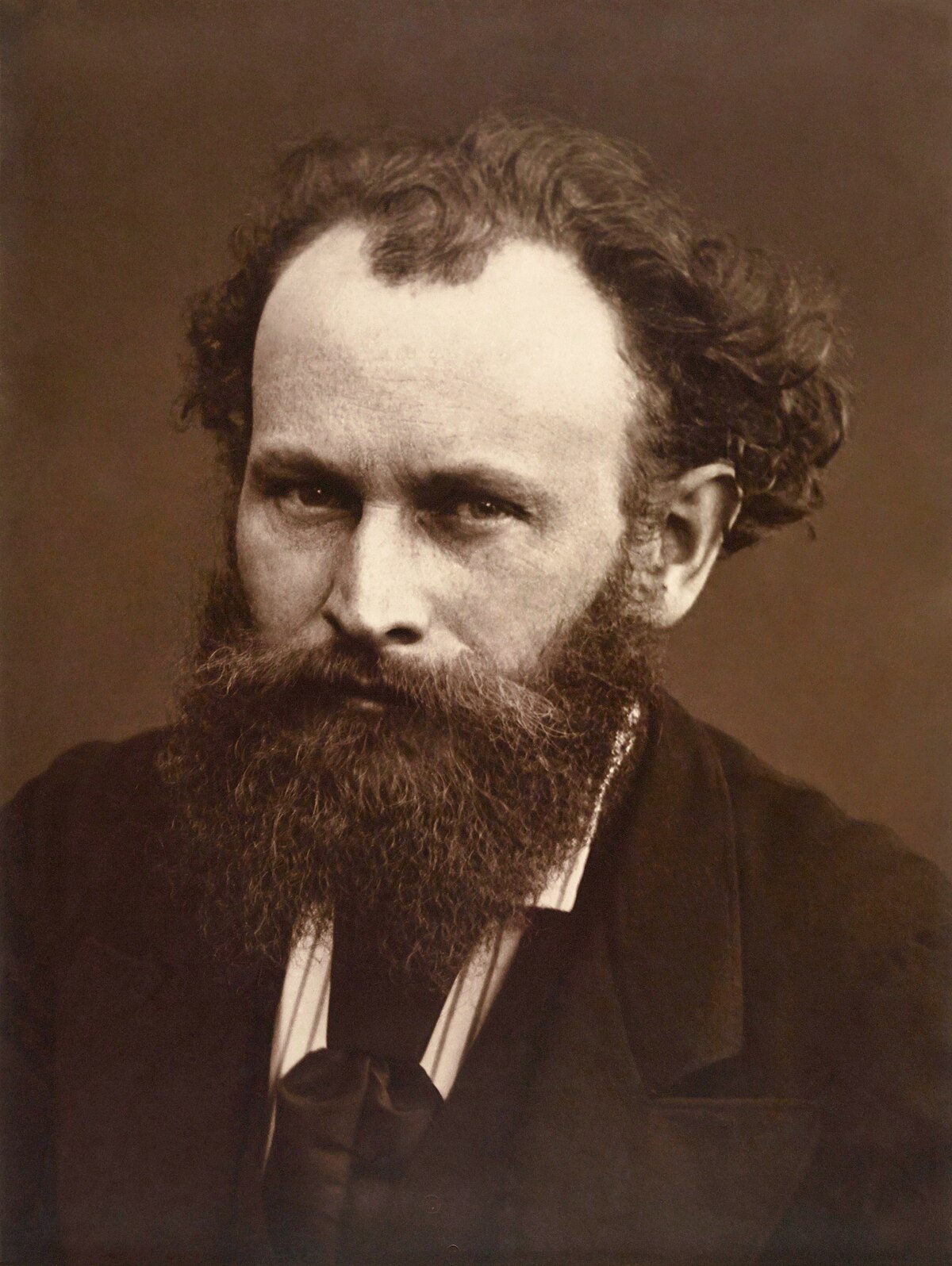
Paryžiaus Maištininkas: Édouard Manet ir Jo Amžininkų Dailė
Édouard Manetas, gimęs 1832 metais Paryžiuje turtingoje ir tvirtoje šeimoje, nuo pat pradžių atrodė netinkamas revoliucinio meno gyvenimui. Jo tėvas, gerbiamas teisėjas, vylėsi saugumo sūnaus ateities teisininko arba galbūt jūroje – garbūs profesijos, derantys su jų visuomeniniu statusu. Tačiau net ir jaunystėje Maneto širdis priklausė menui. Būdamas vienuolikos metų jis pradėjo formalizuotus piešimo pamokslų kursus, nors trumpam buvo apmokytas akademinis dailininkas Thomas Couture, jis greitai pajuto, kad Couture’s griežtos metodikos yra ribojančios. Šis ankstyvas pasipriešinimas pranašavo visą gyvenimą, skiriamą meninių konvencijų iššūkio metimui. Manetas ne norėjo tiesiogiai atkartoti praeitį; jis siekė užfiksuoti šiuolaikinio Paryžiaus gyvybingumą – ir kartais neramus realumus. Jis lankydavosi Luvre, ne tik kopijuodamas Senos meistrus, bet ir analizuodamas jų technikas, mokydamasis iš tokių dailininkų kaip Caravaggio ir Velázquez, kaip šviesa ir šešėlis gali skulptūruoti formas ir sužadinti emocijas. Tačiau meno srautų poslinkis, ypač Gustave Courbet‘o remiamas Realizmas, tikrai įžiebė Maneto kūrybinę kelią. Courbet‘o užsispyrimas vaizduoti kasdienį gyvenimą be idealizavimo giliai atrezonavo su Manetu, išlaisvindamas jį nuo istorinių ar mitologinių temų apribojimų.
Tradicijų Sulaužymas: Skandalai ir Inovacijos
1860-ųjų dešimtmetis Paryžiuje buvo kupinas intensyvaus meno fermento, o Manetas atsidūrė jo epicentre. Japonų gravirų – *ukiyo-e* – atėjimas giliai paveikė jo estetinę suvokimą. Jis buvo sužavėtas jų plokščių perspektyvų, ryžių kompozicijų ir striking spalvų naudojimo, elementais, kurie taps jo stiliaus bruksniais. Šis įtaka, kartu su augančiu akademiniu poliruojimu atmetimu, sukėlė darbus, kurie šokiravo ir skandalizavo Paryžiaus meno pasaulį.
Le Déjeuner sur l'herbe (Pietūs ant žolės), parodytas Salon des Refusés parodoje 1863 metais – paroda darbams, atsisakytoms oficialiojo Salono – tapo kontroversijų epicentru. Paveikslas, kuriame pavaizduota nuoga moteris paprastai piknikuojanti su dviem visiškai apsirengusiais vyrais, nebuvo tik apie nuotykį; tai buvo apie tai, *kaip* šis nuotykis buvo pateiktas. Maneto figūros neturėjo tradicinių nuotykių idealizuotų formų ir mitologinio konteksto. Jie buvo neabejotinai modernūs, priešpriešinant žiūrovą nerimą keliančiu tiesiogumu. Skandalas aplink
Le Déjeuner tik sustiprėjo su jo 1865 metų šedevru,
Olympia. Šis paveikslas, sąmoningai perkurpintas Titiano *Urbino Veneros*, pateikė šiuolaikinę prostitutę, drąsiai žiūrinčią į žiūrovą. Neatpažįstama realizacija ir provokuojanti tema buvo sutiktos su plačiu pasmerkimo. Kritikų apkaltintas grubumu ir meniniu netobulumu, tačiau neapykantos požiūriu slypėjo pripažinimas, kad jis fundamentaliai keičia tapybos kalbą.
Tiltas į Impresionizmą: Šviesa, Teptukai ir Šiuolaikinis Gyvenimas
Nors Manetas niekada visiškai neprisiėmė “Impresionisto” etiketės, jo įtaka judėjui buvo nepaneigiama. Jis dalijosi jų atmetimu akademinių konvencijų ir pasiryžimu užfiksuoti praeinančių šviesos ir atmosferos efektus. Jis parodė darbą su Monetu, Renoir, Degas ir kitais Nepriklausomų impresionistų parodose, įtvirtindamas savo poziciją avangardo veikėjui. Maneto technika vystėsi link laisvesnio teptukų braižymo, prioritetą skyrus formos įspūdžiui, o ne tikslioms detalėms. Jis eksperimentavo su spalvomis, dažnai naudodamas ryškias kontrasto efektus, kad sukurtų dramatiškus efektus. Be skandalinių nuotykių, Manetas tyrė platų temų spektrą: portretus – įskaitant striking vaizdus savo žmonos Suzanne ir kolegos dailininko Émile Zola; Paryžiaus naktinio gyvenimo scenas, tokias kaip
A Bar at the Folies-Bergère, kuri meistriškai užfiksuoja modernaus miesto gyvenimo atskyrimą ir spektaklį; ir intymius buitinius vaizdus. Jis ne tik dokumentavo šias temas; jis jas nagrinėjo, klausdamosis visuomenės normų ir iššūkio konvencinėms grožio sąvokoms.
Palikimas ir Nuolatinis Poveikis
Édouard Maneto ankstyva mirtis 1883 metais nuo sifilio nutraukė karjerą, kuri jau negrįžtamai pakeitė meno istorijos eigą. Nors jo reputacija po mirties žymiai padidėjo, jo įtaka buvo pajusta jaunesnių dailininkų, kurie jame atpažino išvaduotoją. Jis sudraskė sienas, iššūkio konvencinėms temoms, technikoms ir meniniam tikslui.
- Jo pabrėžimas šiuolaikinį gyvenimą paveikė Impresionizmą ir Post-Impressionizmą.
- Jo naujoji teptukų braižymo ir spalvų naudojimo technika įkvėpė daugybės dailininkų kartas.
- Jo pasiryžimas susidurti su nepatogiomis tiesomis apie visuomenę privertė žiūrovus abejoti savo pačių prielaidomis.
Maneto paveikslai ir šiandien rezonuoja, ne tik dėl jų estetinės grožio, bet ir dėl jų nuolatinio aktualumo. Jis tebėra kertinis momentas perėjant nuo Realizmo į Impresionizmą ir teisėtai švenčiamas kaip vienas iš modernaus meno pradininkų – Paryžiaus maištininkas, kuris drįso nupiešti pasaulį, kokį jis mato, su visais jo sudėtingumais ir prieštaravimais. Jo darbas yra galingas priminimas, kad tikroji meninė inovacija dažnai pasiekia užtikrinant įsitvarkytas normas ir priimant mūsų laiko nepatogias tiesas.



 Peržiūrėti realaus dydžio版
 Perjungti į spausdinimą
 Siųsti
 Dalintis
 Išsamiau
 Vadovas

 Atsisiųsti
 Panašūs eksponatai
 Rentgeno spindulių nuotrauka
 Diaporama
 Statistika

 Rodyti daugiau