


Muziejų lygio „giclée“ arba drobos spausdinimas: greita gamyba ir lankstios apdailos parinktys. ( Pirkti rankų darbo tapybą Perejti prie skaitmeninių vaizdų)





























Pasirinkite iš mūsų nustatytų dydžių, atitinkančių originalaus meno kūrinio proporcijas.

Įveskite jums reikiamą plotį ir aukštį, kad atvaizdas derėtų prie jūsų rėmo ar sienos. Spausdiną galima tik sumažinti, bet nepadidinti virš originalaus paveikslėlio dydžio, todėl keičiant proporcijas, dalis vaizdo prarandama. Prieš spausdinimą atsiųsime jums skaitmeninį maketą patvirtinimui. Šioje puslapio nuotraukoje matomas pjūvis nėra tikslus – jį rodo tik maketas.
Pristatymas visame pasaulyje () per 2 weeks, o ne įprastas 4/5 savaičių laikotarpis. (23 lapkritis)
Davida
Reprodukcijos matmenys
In Hendrik Haverman's Davida, the viewer meets the subject through an intimate, eye-level perspective that feels immediate and personal. This close-up, bust-length portrait places the girl slightly off-center, a choice that creates a quiet tension within the frame. The composition draws the eye directly to her presence, establishing an emotional connection that feels as though a single moment has been suspended in time. Around her, the world recedes into a muted and earthy atmosphere, where deep browns, blacks, and ochre dominate both the background and her clothing.
The lighting in this work about 1901 carries a strong sense of chiaroscuro, casting the scene into a dramatic interplay of light and shadow. A powerful light source strikes one side of her face, carving out the volume of her features and providing a sense of physical depth. This illumination makes her skin appear pale and luminous against the darker, somber tones of her surroundings. The contrast between the bright, glowing complexion and the heavy, dark pigments of the background focuses all attention on her expression and the subtle contours of her face.
The work emerges through the disciplined application of academic realism, rendered in oil on canvas. Layered pigments build a physical presence, lending a sense of weight and permanence to the figure. The artist employs painterly techniques that allow the medium to feel alive, where the movement of the brush remains visible to the eye. In the hair and the soft background, lines appear gentle and blended, melting into one another to create a quiet, atmospheric space. This softness contrasts with the more deliberate, defined brushstrokes used to shape the features of the face, anchoring the subject's expression in a moment of stillness.
Texture plays a vital role in how the light interacts with the surface. Visible brushstrokes catch the light across the hair and the lace-edged collar, giving the fabric a tangible, tactile quality. The lighting mimics the chiaroscuro tradition, casting subtle shadows that carve out depth and volume. These shadows wrap around the contours of the face, providing a three-dimensional quality that makes the subject feel present. Through this careful manipulation of light and pigment, the portrait achieves a profound sense of intimacy.
Academic Realism kryptimi Academic Realism stiliaus metu „Davida“ užfiksuotas Somber tonu.
„Davida“ yra WallArt kūrinys.
Hendrikas Havermanas taip pat žinomas (a) pavadinimais Hendrik Johan Haverman, Hendrik Johannes Haverman, Hendrik J. Haverman.

Hendrikas Havermanas gimė Amsterdamas 1857 m. októberio 23 d. Joje jo ankstyvoji vaikystė buvo pelagiškai suvienyta su olandų kraittybe ir ramiąja oficialiojo studijų disciplina. Savo meninę kelionę jis pradėjo Amsterdamo Rijksakademie van beeldende kunsten mokykloje, kur pirmą kartą išmokos meistriškai valdyti savo amato įrankius. Ši pamatas vėliau buvo papildytas praleistu laiku Antverpio ir Bruiselio meno akademijose, nuolatai judinant per skirtingas erdvęs, kad tiksliai išugdytų savo ranką.
Studijų metais Hendrikas Havermanas mokėsi iš Augusto Allebé bei Hendrikio Valkenburgo vadovavimo. Šie mokytojai suteikė techninę struktūrą, kuri apibrėžė jo požiūrį į piešimą ir tapybą. Jis susikoncentravo į portretui reikalingą tikslumą – įtykišką įgūdį, reikalaujantį stabilios akies ir kantryos rankos. Jo išsilavinimas nebuvo ribojamas vienos klasės sienomis, o tapo meninių juda tarp pagrindinių Niderlandų ir Belgijos meno centrų.
Savo pagrindinę išraišką Havermanas rado per portretinių piešinių tikslumą. Jis sutelkė dėmesį į veido linijas, su piešininko akimi užfiksuodamas unikalią savo subiectų pratimę. Šis atsidavimas portretui buvo pripažintas valstybės 1892 m., kai jam buvo paskirtta Karališka subvencija jo tolesniam kūrybiniam darbui remti. Jo techninis meistriškumas taip pat pelnė jam Koninklijke Prijs voor Vrije Schilderkunst apdovanojimą.
Beyond studijos, jis aktyviai dalyvavo plačiojame Niderlandų intelektiniame gyvenime. Jis dirbo kaip meno kritikas, savo straipsniais prisidėdamas prie De Gids – seniausiojo olandų literatūrinio žurnalo. Šis įsivėliavimas rodo protą, kuris buvo tiek pat susidomėjęs meno teorija ir kritika, kiek ir paties piešimo fiziniu procesu. Jo požiūrį formavo tiek praktinė patirtis, tiek stebėjimai besikeičančio meno kražovo tendencijų.
Havermano įtampa pasiekė ir privačias mokymo erdves, pasiekdama studentes laikais, kai oficialios akademijos durys moterims buvo uždarytos. Jis teikė privačius pamokas Edmée Broers, Meta Cohen Gosschalk, Maria Adeline Alice Schweistal bei Pauline Suij. Šios sesijos suteikė šioms moterims galimybę ugdyti savo įgūdžius išėjus iš tradicinės Rijksakademie struktūrų.
Jo buvimas profesiniame landšafte pasižymėjo dvivaletę įtaka tiek vizualiniam menui, tiek raedžiamam žodžiui. Jis rašė daugybę straipsnių „De Gids“ žurnale, kur analizuodavo kitų kūrybą. Šis dalyvavimas Niderlandų literatūriniuose ir kritiniuose aplinkiniuose leido jam stebėti besikeičančius olandų meno srautus iš kritikos ir komentavimo pozicijos.

1857 - 1928 , Nidežlandas

Elevate your memories with our expert guide on selecting the perfect photograph for bespoke oil painting commissions. Discover how to leverage lighting, composition, and historical styles to transform a simple snapshot into a timeless, hand-painted masterpiece.

Immerse yourself in the vibrant world of Alexej von Jawlensky. Explore 25 iconic Expressionist masterpieces, from emotive portraits to bold colors. Find inspiration for your collection with museum-quality art reproductions at WahooArt.com. Discover all masterpieces online.

Explore the profound connection between technique and emotion. From the sculptural depth of impasto to classical mastery, decode the language of brushstrokes through an expert lens of art history and fine art connoisseurship.

Explore the psychological depth of classical portraiture through masters like Rembrandt and Vermeer. Discover the power of the gaze today.
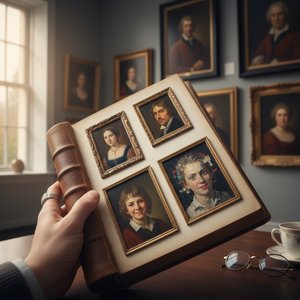
Master the nuances of portrait composition with our expert guide for collectors. Discover how light, gaze, and texture create emotional depth in fine art, from classical masterpieces to bespoke oil commissions.
 Peržiūrėti realaus dydžio版

 Pasidalinti
 Dalintis
 Išsamiau
 Vadovas


 Atsisiųsti
 Panašūs eksponatai
 Rentgeno spindulių nuotrauka
 Automatinė diorama
 问答

 Statistika


 Skaityti daugiau









 Stiklo variantas prieinamas tik pasirinkus dydį iki 110 cm


