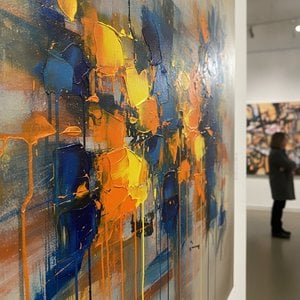
Šviesiu nutapytas gyvenimas: Davido Hockney pasaulis
Davidas Hockney, gimęs 1937 m. liepos 9 d. pramonės širdyje, Anglijos Jorkšyro grafite, yra daugiau nei tik tapytas; jis yra vizualus polimatas, kurio kūrybinė kelionė apėmė tapybą, piešimą, grafikos meną, scenografiją ir fotografiją. Jo istorija prasideda Bradfordo ištvermėje ir ryžtingume – aplinkoje, kuri jam įdiegė itin jautrią stebėjimo regą, net jei jo tėvas, Kennethas Hockngney, Didžiojojo karo metu skatino nepriklausomo mąstymo dvasią savo atsisakymu nuo karinės tarnybos. Ši ankstyvoji aplinka suformavo jaunąjį artistą, kuris nuolat iššūkį levantavo konvencijas ir kūrė savo kelią. Oficialus mokslas Wellington Primary School ir Bradford Grammar School padėjo pagrindus karjerai, kuri atnaujins britų meną XX ir XXI amžiui, pasiekdama aukštumas studijose Bradford College of Art, o vėliau – prestižiniame Londono Royal College of Art. Būtent šiais formavimosi metais Hockney pradėjo išskirti unikalų meninį balsą, savybę, sujungusią pop art tempo jausmą su išskirtine britiška perspektyva.
Pop meno ikonos kilimas ir daugiau
60-ieji dešimtmetis tapo Hockney atėjimo laiku kaip veiklos figūros sparčiai augančiame Pop Art harekloje. Tačiau, skirtingai nuo kai kurių samtvorių, visiškai prisiėmusių amerikietišką komercinę kultūrą, Hockney į šį žanrą atnešė unikalią britiškoja jautrą. Jo kūriniai sprogimo ryškia spalva ir drąsiais linijomis vaizdavo scenas, kurios buvo kartu ir pažįstamos, ir subtiliai subversive.
A Bigger Splash (1966), galbūt jo ikoniniškiausias ankstyvojo laikotarpio darbas, tai puikiai atspindi – iš daugelio matoma paprasta baseino vaizdinė scena tampa meditacija apie Kalifornijos laisvalaikį, dirbtinumą ir patį regėjimo aktą. Tai nebuvo tiesiog vaizdavimas; tai buvo tyrimas, kaip mes suvokiame realybę. Jo dvylika portretų, tokie kaip
American Collectors (Fred and Marcia Weisman), demonstruoja nuostabų gebėjimą įamžinti ne tik išorines panašumas, bet ir asmenybės bei santykių esmę. Hockney nebijojo ir asmeninių temų, ypač atvirai ir jautriai nagrinėdamas gėjų meilę tokiuose darbuose kaip
We Two Boys Together Clinging (1961), iššūkdamas visuomenės normas laikais, kai homoseksualumas buvo didziąja tabu. Šis gebėjimas tiesiogiai susidurti su sudėtingomis temomis užtvirtino jo vietą kaip revoliucionierių meno kūrėjo.
Eksperimentai, inovacijos ir tapybos išgelbėjimas
Hockney meninė smalsumas niekada nebuvo ribojamas vienu media. Visos savo karjeros metu jis nuolat eksperimentavo su naujomis technologijomis ir požiūriais. Nuo ankstyvo litografijos ir etringo priėmimo iki vėlesnių fotografijos tyrimų – ypač naudojant „Polaroid“ kompozitus 80-aisiais metais – Hockney nuolat plečiojo ribas to, kas gali būti menas. Jis garsiai paskelbė, kad tapyba nėra mirusi, tačiau jai reikia „išgelbėti“ nuo jos pačios konvencijų, o tai paskatino jį kurti inovatyvias technikas, tokias kaip perspektyvos iškraipymai ir fragmentuoti žiūrimo taškai. Šis noras atgyjinti tapybą lėmė tokius ambicingus projektus kaip
Pearblossom Hwy., 11–18th April 1986, sudėtingą fotomontažą, kuris iššūkė tradicinius erdvės ir vaizdavimo supratimus. Jo scenografija operoms, įskaitant dekoracijas Mocarto
Burtų šventėms ir Stravinskio
Slystėlio pažangai, dar labiau demonstruoja jo universalumą ir gebėjimą savo vizualinę kalbą išversti į kitą meninę sferą. Neseniai jis priėmė skaitmeninę mediumą, kur iPad įrenginiuose sukuria nuostabius kraštovaizdžius, rodančius jo tęsiamą susižavėjimą šviesa, spalva ir perspektyva – įrodant, kad inovacijoms nėra ribų.
Pripalaidimas, palikimas ir neblėstantis įtampas
Davido Hockney įnašai į meno pasaulį buvo plačiai pripažinti visos jo šiningos karjeros metu. 2018 m. jis buvo paskirtas Karališkosios garbės palydėjų ordeno (CH) nariu, kas yra įrodymas apie jo gilią įtaką britų kultūrai. Prieš tai, 2003 m., jis buvo išrinktas Karališkojo draugystės (FRS) nariu, o 2000 m. gavo „Praemium Imperiale“ apdovanojimą už tapybą. Jo darbai dėliojami didžiuosiuose muziejų kolekcijose visame pasaulyje ir yra lengvai pasiekiami per interneto platformas, užtikrinant, kad jo menas ir toliau įkvėstų naujas kartas.
Hockney įtampa išsilygsta už vizualaus meno ribų; jis tapo kultūrine ikona, vertinamas dėl savo žvalgumo, intelektualo ir nepavidinamos atsidavimo meninei paieškai. Jo kūrinys nėra tik apie tai, ką jis vaizduoja, bet ir apie tai, *kaip* jis tai vaizduoja – nuolatinis suvokimo ir vaizdavimo kvestionavimas, kuris šiandienos auditorijai vis dar atrodo aktualus. Jis išlieka aktyvi jėga meno pasaulyje, nuolat iššūkdamas lūkesčius ir įkveipdamas menininkus iš įvairių disciplinų.
Tęstinės tyrimai
- Place Furstenberg, Paris: Įtraukiantis Hockney interjerų scenų pavyzdys, demonstruojantis jo meistriškumą spalva ir kompozicija valdyti.
- Oona Zlamany: Jautrus portretas, kuriame realizmas susilieja su Pop Art įtampomis, atskleisdamas modelės kontemplatyvų prigimtį.
- Lawn Sprinkled: Gyvybingas priemiesčio gyvenimo vaizdas, pasižymintis geometrinėmis formomis ir žaismingu spalvų naudojimu.
- Sužinokite daugiau apie kitą britų Pop meno kūriją Pauline Boty.
- Tyrinėkite Frank Lisle darbus – tapytojo, kuris paveikė ankstyvąjį Hockney formavimąsi.



 Peržiūrėti realaus dydžio版
 Pirkti rankomis tapytą reprodukciją
 Siųsti
 Dalintis
 Išsamiau
 Vadovas

 Atsisiųsti
 Panašūs eksponatai
 Rentgeno spindulių nuotrauka
 Diaporama
 Statistika

 Rodyti daugiau






































 Stiklo variantas prieinamas tik pasirinkus dydį iki 110 cm