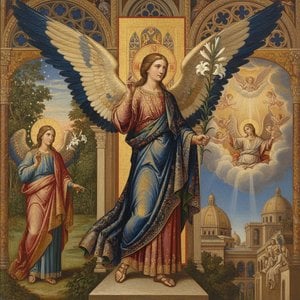
Autoriaus biografija
Grožėje pasikraustytas gyvenimas: Dante Gabrielio Rossetti pasaulis
Dante Gabrielis Rossetti, gimęs 1828 m. Londone kaip Gabrielis Charlesas Dante Rossetti, buvo figūra, giliai išformuota savo laikmečio srovėmis – romantiška dvasia, žydinti Viktorijosios eras rėžtė. Jo kilmė pati spėja apie meninę destinaciją, kuri jį laukė; jo tėvas, Italijoje gyvenęs politinis refugiantas ir Dante Alighieri skolininkas, jaunam Gabrielį įtvirtino gilią pagarbą literatūrui ir menui. Šis ankstyvas susipažinimas su kultūra, kartu su motinos dėmesiui, skiriamu jo intelektinei smargai, padėjo pagrindus gyvenimui, skirtam kūrybinei išraiškai. Nors iš pradžių svarstė apie pasirodymo kuniginio karjerą, Rossetio tikrasis pašaukimas slystėjo estetinės sferos ribose – tai buvo kelias, kurį jis išėjo kaip poetas, iliustratorius ir, svarbiausia, tapytojas, kurio darbai iki šiol užburia žiūrovus. Jo formavimo metai buvo prisigėrimę savo amžiaus literatūriniais gigantais – Šekspiru, Dikensu, Skotu, Byronu – kurie visi prisidėjo į turtingą vaizduotės peizažą, vėliau apibrėžiantį jo meninę viziją.
Prerafaelitų sustrūkimai ir meninis pažagimas
Rossetčio vardas neatsiejamas nuo Prerafaelitų brolystės – revoliucinės judėjimo, kurį jis kartu su Williamu Holmanu Huntu ir John Everett Millais paleido 1848 metais. Tai nebuvo tik meninis posūkis; tai buvo sustrūkimai prieš tuo metu vyravusią akademinės tapybos dirbtinumą. Brolystė siekė grįžti prie detalios realybės, ryškių spalvų ir dvasinės intensyvumo, kintų Italijos bei flamandų mene *prieš* Didžiojojo Renesanso – iš čia ir atsirado pavadinimas „Prerafaelitai“. Tai reikavo atsisakyti idealizuotų formų ir konvencinių kompozicijų, kurias mėgo Karališkasis akademija, ir vietoj jų priimti kruopštį gamtos stebėjimą bei ištikimą vaizdojimo įsipareigojimą. Ankstyvieji Rossetčio darbai, tokie kaip The Girlhood of Mary Virgin, demonstruoja šį atsidavimą, rodydami beveik fotografinį detalumo lygį kartu su simboline vaizduotė, ištraukta iš religinių tekstų. Tačiau Rossetčio indėlis išsivystė už techninio įgūdžio ribų; jis grupėms atnešė itin literatūrišką jautrumą, dažnai renkamdamasis temomis, įkvėptas poezijos ir mitologijos. Brolystės manifestas nebuvo tik apie tai, *kaip* tapyti, bet ir apie tai, *ką* tapyti – susitelkdamas į moralybės, dvasinės savybės ir grožio temas su intensyvumu, kuris iššūkė Viktorijosios eras jautrumą.
Evoliuojančios stiliai: Simbolizmas, sensualumas ir moteriškoji mūza
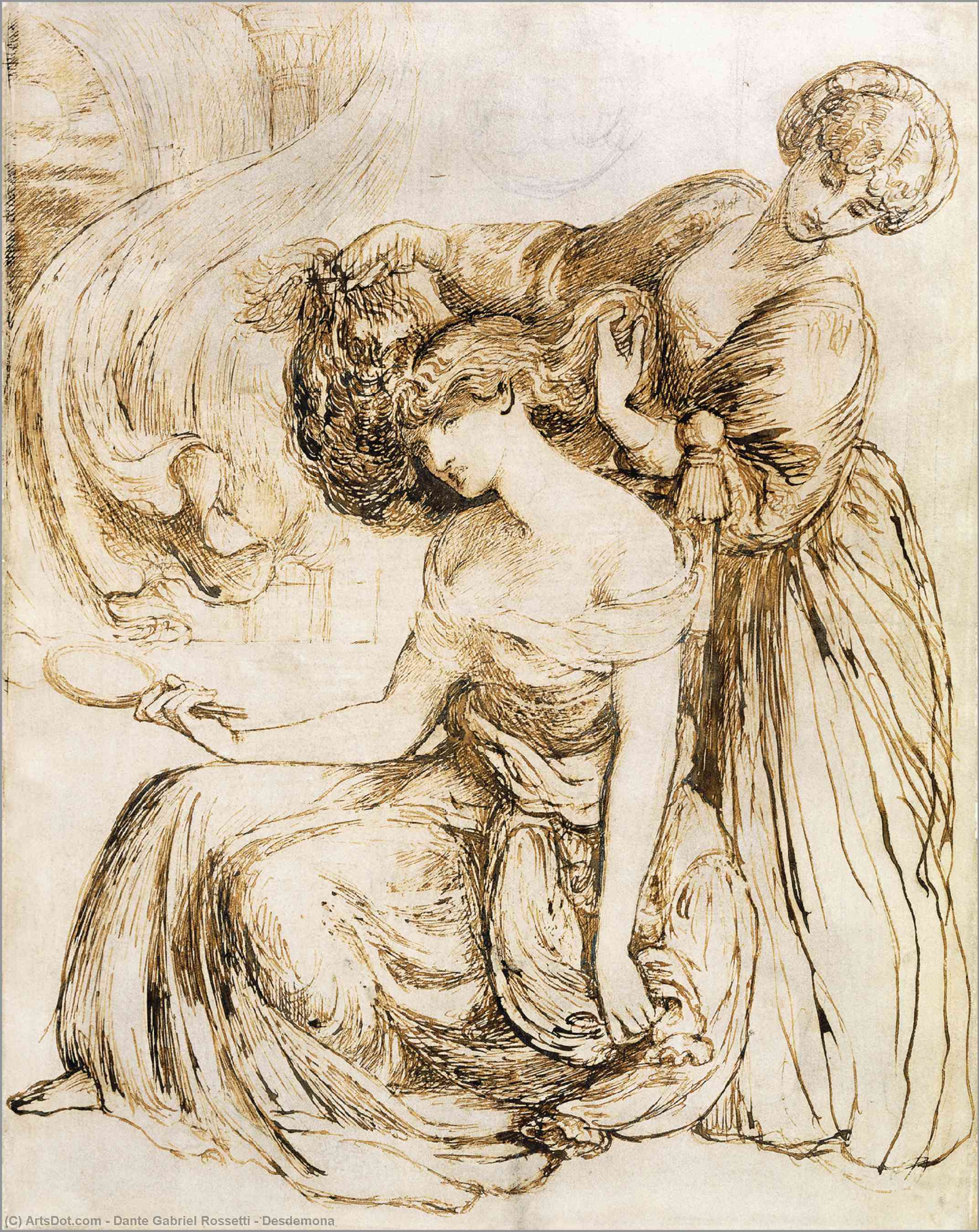
Rossetčio karjerai vystantis, jo meninis stilius patyrė įtraukiantys pokyčius. Nors iš pradžių laikėsi griežtų Prerafaelitų realizmo principų, jis palaipsniui juda link simboliškesnės ir sapniškos vaizduotės. Jo tapybos vis dažniau prisipildavo sensualumu, tyrinėjant meilės, praradimo ir dvasinio troškimo temas su tokia emocine galybe, kuri giliai rezonavo su auditorija. Šis posūkis buvo daliniam įtakotas jo asmeninio gyvenimo, ypaats sudėtingų santykių su moterimis, kurios tarnavo jam modeliais ir mūzomis – Elizabeth Siddal, Fanny Cornforth ir Jane Morris. Šios moterys nebuvo tik pasyvios objektai; jos kūrė tam tikrą estetinį idealą Rossettiems – dažnai vaizduojamos su laisvai krentančiais raudonais plaukais, melankoliškais išraišais ir paslaptingo grožio aura. Tokie paveikslai kaip Proserpine yra šio vėlesnio stiliaus puikūs pavyzdžiai, demonstruojantys jo simbolizmo meistriškumą ir gebėjimą sukurti kitokio pasaulio prasmę. Turios spalvos, dramatiškas apšvietimas ir jausmingos pozos viskas prisideda prie paveikslų vaizduotės kūrimo tamsios, įtraukios atmosferos. Jis taip pat pradėjo vientisinti poeziją ir regimąjį meną, dažnai rašydamas sonetus savo paveikslams palydyti, taip kurdamas vieningą meninę patirtį, įtraukiančią tiek akį, tiek protą. Behold the handmaid of the Lord! (The Annunciation) yra šio integruoto požiūrio įkvėpėjimas.
Palikimas ir ilgalaikė įtaka
Dante Gabrielio Rossetčio poveikis menų pasauliui išsiekia daug toli už jo paties gyvenimo ribų. Jis buvo giliai įkvėptas John Keats ir William Blake poezijos, taip pat Italijos Renesanso meistrų, tačiau jis pats tapo didžiule įtanga būsimoms menininkų ir rašytojų kartoms. Jo darbai grąžino esminę vaidmenį vystantis tiek Estetinio judėjimo, tiek Simbolizmo judėjimui – judėjimams, kurie viršusiausia pabrėžė grožį, emociją ir subjektyvią patirtį. Tokie menininkai kaip William Morris ir Edward Burne-į Jones buvo giliai įkvėpti jo estetinės principų, įtraukdami juos į savo išskirtinius stilius. Rossetčio akcentas į simbolizmą ir emocinį intensyvumą taip pat atvėrė kelią vėlesnėms meninėms subkūnyje esančios minties tyrimams. Net ir šiandien jo paveikslai toliau įkvepia tiek menininkus, tiek meno mylininkus, tvirtindami jo vietą kaip vienos svarbiausių XIX amžiaus britų meno figūrų. Jis iššūkė konvencines normas, priėmė grožį visomis jo formomis ir paliko palikimą, kuris ir toliau rezonuoja su tiems, kurie meno kūryboje ieško prasmės ir emocijos.
Revoliucinė dvasia: Rossetčio istorinė reikšmė
Rossetti buvo daugiau nei tik menininkas; jis buvo kultūrinis provokatorius, kuris drąsiai iššaukė prevailingą savo laikmečio meninį konvencijų. Jo dėmesys simbolizmui, emocijoms ir individualiai vizijai atgavo kartai, ieškojęs alternatyvų Viktorijosios eras realizmui. Jis padėjo iškloti kelią naujoms išraiškos formoms, skatindamas menininkus tyrinėti savo vidinį pasaulį ir priimti subjektyvią patirtį. Jo darbai suteikia vertingų įžvalgų XIX amžiaus kultūrinėms ir intelektinėms srovėms – laikotarpiui, pažymėtam sparčiu socialiniu pokyčiu, moksliniais pasiekimais ir augančiu dvasinės neapibrėžtumo jausmu. Rossetčio menas atspindi šias neribotas ambicijas ir nerimą, suteikdamas žvilgsnį į sudėtingą savo eros emocinį peizažą. Jis išlieka svarbi figūra suprantant ne tik meno istoriją, bet ir platesnį kultūminį kontekstą, kuriame jis buvo sukuriamas. Jo nepaisantys prasmės jaukumas slysti jo gebėjime prisiekti prie universalių temų – meilės, praradimo, grožio ir dvasybės – temų, kurios ir šiandien sujaudina žiūrovus.


 Peržiūrėti realaus dydžio版
 Perjungti į spausdinimą
 Siųsti
 Dalintis
 Išsamiau
 Gidas
Gidas

 Atsisiųsti
 Panašūs eksponatai
 Rentgeno spindulių nuotrauka
 Diaporama
 Statistika


 Rodyti daugiau






































 Stiklo variantas prieinamas tik pasirinkus dydį iki 110 cm