Autoriaus biografija
Portugal realizmo meistras: Columbano Bordalo Pinheiro gyvenimas ir kūryba
Columbano Bordalo Pinheiro, gimęs 1857 metais Portugalijos meno kėlimo sūkurėje, yra viena svarbiausių šios šalies meno istorijos asmenybių. Jis nebuvo tik paveikslų kūrijas; jis buvo savo laikotarpio kronika rašytojas, psichologinis portretistas, įsiklausęs į pačią Portugalijos visuomenės sielą paskutinių didžiulių pokyčių era. Gimus iš jau įsitvirtinusios meninės dinastijos – jo tėvas, Manuel Maria Bordalo Pinheiro, buvo garsus romantizmo paveikslų meistras, o brolis Rafael – žinomas karikatūristas – Columbano paveldėjo kūrybinę dvasią, kuri vėliau išaugo į unikalią ir įtraukiantį viziją. Ankstyvasis mokymasis po savo tėvo prie skulptorių, tokių kaip Simões de Almeida ir Miguel Ângelo Lupi, padėjo pagrindus karjerai, pasižinzančiai kruopščia stebėjimu ir techniniu meistriškumu. Tačiau tik 1881 metais gauta stipendija studijoms Prancūzijoje tikrai uždegė jo meninę trajektoriją, atversdama jam duris į kylančius naturalizmo, realizmo ir impresionizmo judėjimus. Nors jis absorbavo įtakas iš tokių meistrų kaip Courbet, Manet ir Degas, Bordalo Pinheiro niekada nepasiduodavo imitacija; jis sukūrė savo stilių – dažnai pasižymintį tamsia paleta ir introspektyvumu, kuris giliai rezonavo su portugaliu charakteriu.
„Grupo do Leão“ ir naturalizmo priėmimas
Bordalo Pinheiro nebuvo pasitenkinęs vien savo studijos ribomis. Jis aktyviai įsipinėjo į savo laikoturbos intelektualines sūkurė, tapdamas įtakingos „Grupo do Leão“ (Liūto grupės) bendaklavėju. Šis menininkų, rašytojų ir mąlotojų susibūrimas Lisbonos restorane „Leão de Ouro“ veikė kaip gyvybingas debatų ir meno inovacijų centras. Būtent čia aistringai buvo paskelbtas naturalizmas – kaip priešprieša pastebėtam akademinio meno apribojimui. Šis įsipareigojimas tiesiogiai atvaizduoti gyvenimą be idealizavimo ar romantiškų papuošimų tapo lemtinga Bordalo Pinheiro kūrybos savybe. Jis siekė įamžinti ne tik savo paveikslų subiectų išorinį vaizdą, bet ir jų vidinį gyvenimą, nerimą bei sudėtingumą. Tai ypač akivaizdu jo portretuose, kurie yra kur kas daugiau nei tiesiog panašumas; tai gili psichologinės studijos. Jis ne tiesiog tapė, *kaip* žmonės atrodo, bet *kas* jie yra – jų pažeidžiamumas, ambicijos ir patirtų įvykių svoris, išraižytas ant jų veidų.
Portretai kaip langai į sielą
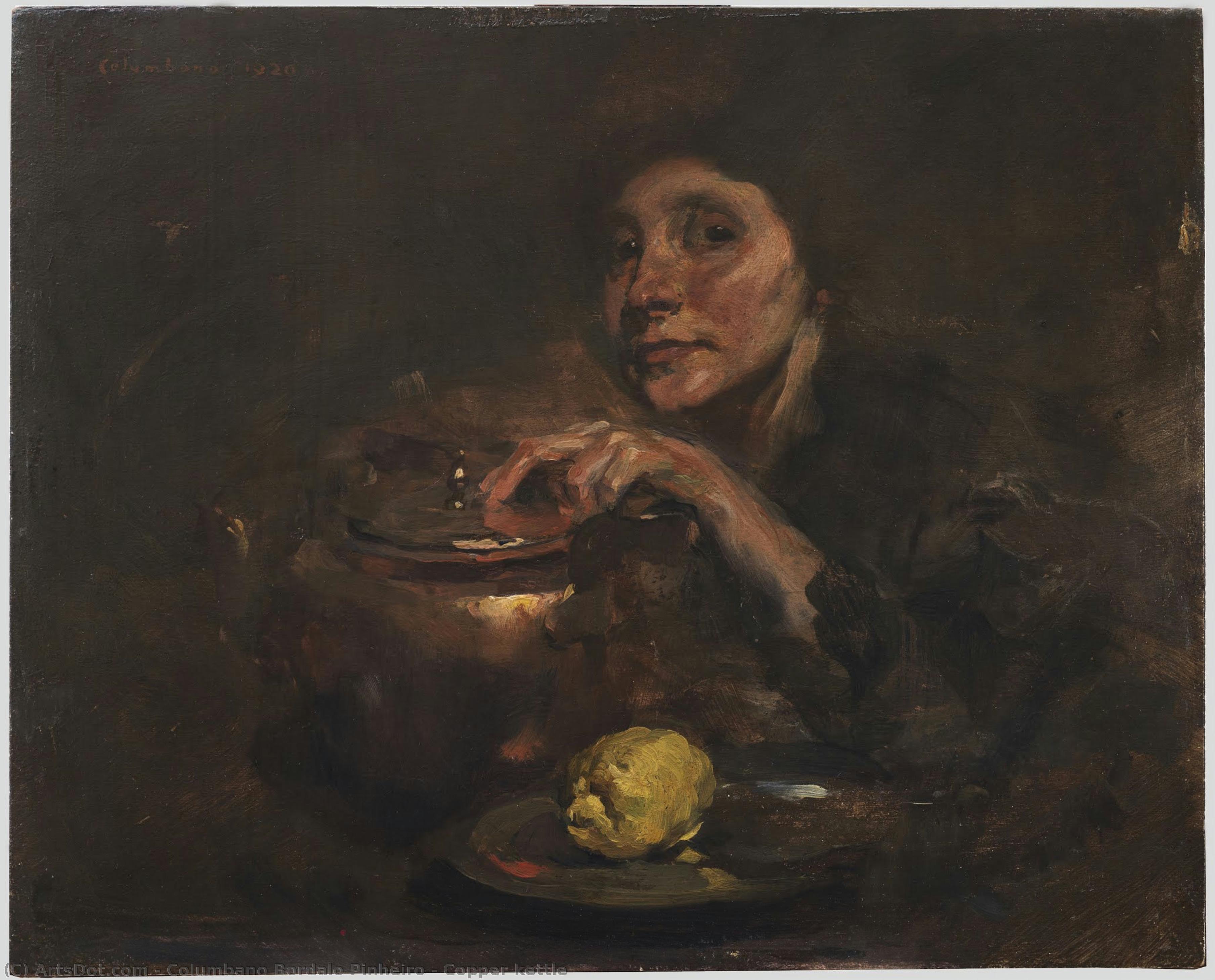
Bordalo Pinheiro meistriškumas tikruoju praskleidė jo portretuose. Jis tapo mėgstamiausias Portugalijos švęčiamų intelektualų, rašytojų ir kultūros veikėjų paveikslautojas – prie jo audinio sėdėjo José Maria de Eça de Queiroz, Teófilo Braga, Raul Brandão. Tai nebuvo tiesiog užsakai; Bordalo Pinheiro prie kiekvieno objekto priėmė su giliu atsakomybės jausmu, siekdamas įamžinti ne tik fizinius bruožus, bet ir esminę charakterio savybę. Galbūt jo garsiausias portretas yra poeto Antero de Quental darbas, baigtas 1889 metais. Šis paveikslas turi šiurpų pranašybės pojūtį, tarsi iš anksto numatantis tragišką Quentalo savižudį – tai liudijimas apie neįtikėtiną Bordalo Pinheiro gebėjimą suvokti ir parodyti paslėptą žmogaus psichikos gylį. Tokie darbai kaip „Cunha Vasco portretas“ demonstruoja dramatišką šviesos ir šešėlio naudojimą, išryškinantį subjekto intelektualinį intensyvumą ir vidinę turbulenciją. Jis nedraudė parodyti trūkumų ar silpnumų; priešingai, jis juos priėmė kaip neatsiejamą kiekvieno asmenybės unikalumo dalį.
Papildomai už portretų: Respublikonizmo ir meno lyderystės palikimas
Bordalo Pinheiro įtaka išsiplėtė daug daugiau nei už audinio ribas. Kaip tvirtas respublikonas, jis aktyviai dalyvavo Portugalijos politiniame gyvenime, net suprojektavo vėliavą 1910 metais paskelbtajai naujaijaja respublikai. Jo ištikimybė savo tautai paskyrė jį vadovauti Nacionaliniam šiuolaikinio meno muziejui (dabar Chiado muziejui) Lisboloje, pareigą, kurį jis užėmė nuo 1914 iki 1927 metų. Sėdėdamas vadove, jis globė modernųjį meną ir negudžiai dirbo kurdamas kolekciją, atspindėsią evoliuciją Portugalijos meno peizaže. Jo patys paveikslai, tokie kaip „Fontainebleau ūkininkas“ ir „Sunki išbandymas“, demonstruoja ne tik techninį meistriškumą, bet ir gebėjimą prisitaikyti prie socialinių klausimų bei tyrinėti darbo, introspekcijos ir žmogaus būklės temas. Jis buvo paveikslautojas, supratęs, kad menas nėra tik estetika; jis yra aplinkinės pasaulio – jo grožio, kovų ir sudėtingumo – atspindys.
Ilgalaikė įtaka: Didžiausias savo amžiaus portugališkasis paveikslautojas
Columbano Bordalo Pinheiro mirė 1929 metais, palikdamas palikimą, kuris iki š اليوم rezonuoja su meno mylėtojais. Jis plačiai laikomas didžiausiu XIX amžiaus portugaliu paveikslautoju, dažnai lyginamas su tokiais meistrais kaip Wilhelm Leibl ar John Singer Sargent dėl savo techninio meistriškumo ir psichologinio įžvalgumo. Jo darbai vis tiek eksponuojami Chiado muziejuje Lisboloje kartu su kitomis svarbiomis kolekcijomis, tokiomis kaip Casa-Museu Dr. Anastácio Gonçalves, suteikdami žiūrėtojams pasiūlą įsivaizduoti tą pasaulį, kurį jis taip gyvai atvaizdavo. Jis nebuvo tik istorijos fiksuotojas; jis buvo žmogaus dvasios interpretatorius – realizmo meistras, įamžinęs savo laikotarpio esmę ir palikęs neištrinčiam žymą Portugalijos menui ir kultūrai. Jo paveikslai ir toliau kviečia žiūrovus apsvarstyti gyvenimo sudėtingumą, žmogaus sielos gylį ir neblėstantį meninės išraiškos galią.


 Peržiūrėti realaus dydžio版
 Perjungti į spausdinimą
 Siųsti
 Dalintis
 Išsamiau
 Gidas
Gidas

 Atsisiųsti
 Panašūs eksponatai
 Rentgeno spindulių nuotrauka
 Diaporama
 Statistika


 Rodyti daugiau






































 Stiklo variantas prieinamas tik pasirinkus dydį iki 110 cm


