


Muziejų lygio „giclée“ arba drobos spausdinimas: greita gamyba ir lankstios apdailos parinktys. ( Pirkti rankų darbo tapybą Perejti prie skaitmeninių vaizdų)





























Pasirinkite iš mūsų nustatytų dydžių, atitinkančių originalaus meno kūrinio proporcijas.

Įveskite jums reikiamą plotį ir aukštį, kad atvaizdas derėtų prie jūsų rėmo ar sienos. Spausdiną galima tik sumažinti, bet nepadidinti virš originalaus paveikslėlio dydžio, todėl keičiant proporcijas, dalis vaizdo prarandama. Prieš spausdinimą atsiųsime jums skaitmeninį maketą patvirtinimui. Šioje puslapio nuotraukoje matomas pjūvis nėra tikslus – jį rodo tik maketas.
Pristatymas visame pasaulyje () per 2 weeks, o ne įprastas 4/5 savaičių laikotarpis. (18 lapkritis)
Colonel William Leete Stone
Reprodukcijos matmenys
A single quill pen rests against a stack of papers, its tip poised as if caught in a moment of sudden thought. The light strikes the white linen of a cravat, a sharp contrast against the heavy, dark tones of the background. This is the world of Colonel William Leete Stone, rendered in oil on canvas in 1839. He does not look at the viewer. Instead, his gaze is directed upward and toward the left, toward an unseen idea or a distant conviction. The face is etched with the quiet intensity of a man accustomed to the weight of words and the gravity of public service.
The brushwork is controlled and precise, following the academic realism of the mid-19th century. Every fold in his formal attire and every contour of his skin is defined by a deliberate hand. The shadows are deep, swallowing the edges of the room to push the subject forward into the light. It is a portrait of intellectual focus, where the texture of the fabric meets the smooth, pale skin of the neck in a silent dialogue of light and dark.
The portrait captures more than a likeness; it captures a specific, restless energy. The subject was a man of significant influence in New York, a writer and editor whose life was defined by the pursuit of reform. His presence in the frame suggests a man of action through thought.
History remembers him as a man who campaigned for the abolition of slavery and supported the independence of Greece. He was a man who sought to shape the social fabric of his time, much like the ink he once spilled. The painting holds this tension between the stillness of the pose and the movement of his spirit.
There is a stillness here that feels temporary. The light catches the edge of a hand, a pale shape against the dark void of the room. It is the quiet moment before the next sentence is written, or the moment of reflection after a long day of advocacy. The shadows do not merely surround him; they define the space he occupies, carving his silhouette out of the darkness. The ink is dry, but the intent remains.
„Colonel William Leete Stone“ – William Page autoriškos teisės statusas yra aiškus: kūrinys priklauso yra viešosios erdvės dalis – jo autorinė teisė pasibaigusi. Jo buvimas Cleveland Museum of Art šio statuso nekeičia.
Kūrinį „Colonel William Leete Stone“ sukūrė William Page, pasižymintis Academic Realism stiliumi.
„Colonel William Leete Stone“ – William Page galite išbandyti ant savo sienos naudodami papildytoji realybės funkciją suderinamame įrenginyje per šio kūrinio Peržiūra papildintajai realybei puslapį.

Gedęs Albany, J_{u}S_{a}n_{u}s_{a}s, William Page buvo universalus amerikiečių dailininkas ir portretistas. Jo ankstyvoji mokslas prasidėjo Frederick de Peyster biure, po to seko studijos James Herring studijoje. Galiausiai jis tapo Samuel F. Morse mokinio ir įstojo į Nacionalinę meno akademiją, kur jo piešiniai antikų klasėje pelnė sidabrinį medalyjį. Po trumpo laikotenio studijuodamas teologiją Andoveros teologijos seminare ir Amherst koledže, jis grįžo į meno pasaulį.
Page's karjera leido jam judėti tarp Niujorko ir Bostono, galiausiai praleidamos vienaslikas devintį metų gyvendamas Florencio ir Romos miestuose. Italijoje jis tapo išdaylių asmenų, tokių kaip Robertas ir Elizabeth Browning, portretų kūrėjas. Jis buvo giliai įkvėstas didžiųjų meistrų kūrinių, ypač Titiano, kurio malianimo metodą jis siejė atskleisti. Jo Titiano kūrinių kopijos buvo tokios išskirtinės, kad viena iš jų kažkada buvo konfiskuota Florentijos valdžios, nes buvo tikėta, jog tai originalas.
Per visą savo karjerą Page kūrė itin įvairius temų spektrą – nuo religinių scenų, tokių kaip „Moizis ir Aaronas Horebo kalno viršuje“ bei „Šventoji šeima“, iki išskirtinių asmenų portretų. Jo portretų ciklas apėmė:
Be savo dalyvavimo dailėje, Page buvo žmogus su įvairiais interesais; jis parašė „Naują geometrinį žmogaus figūros matavimo metodą“ ir gavo patentus už įvairius tobulinimus ginkluose bei laivuose. Jis mirė Staten Islande.

1811 - 1885 , JAV

Explore the emotional power of Delacroix and French Romanticism through expert analysis. Discover the revolution of color and movement now.

Explore how military art evolved from imperial propaganda to raw realism. Discover the profound human truth behind every brushstroke.

Step into the dramatic world of Gustave Doré. Explore 25 iconic masterpieces of light and shadow, from epic biblical engravings to gothic tales. Find museum-quality art reproductions and timeless decor inspiration. Discover all masterpieces on WahooArt.com.
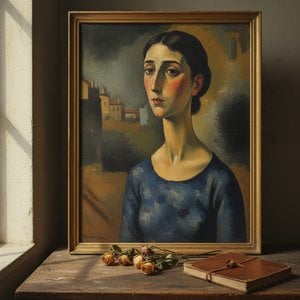
Delve into the haunting beauty of Amedeo Modigliani's portraits. Explore the intersection of Expressionism and Modernism through an expert analysis of his iconic elongated forms, melancholic gazes, and profound influence on art history.
 Peržiūrėti realaus dydžio版

 Pasidalinti
 Dalintis
 Išsamiau
 Vadovas


 Atsisiųsti
 Panašūs eksponatai
 Rentgeno spindulių nuotrauka
 Automatinė diorama
 问答

 Statistika


 Skaityti daugiau









 Stiklo variantas prieinamas tik pasirinkus dydį iki 110 cm


