


Rankiniu būdu tapytas aliejus ant droblio jūsų pageidaujamame dydį ir rėmuose – mūsų menininkų darbas pagal užsakymą. ( Pirkti spaudinį Pirkti vaizdą)





























Pasirinkite iš mūsų nustatytų dydžių, atitinkančių originalaus meno kūrinio proporcijas.

Galite įvesti savo matmenis, kad jie atitiktų konkretų rėmą ar erdvę. Jei pasirinktas dydis neatitinka originalaus paveikslėlio proporcijų, mes arba apkropsime meno kūrinį, arba papildysime tapybą rankomis dažytい elementais. Prieš pradėdami gamybą, jūsų patvirtinimui atsiųsime skaitmeninį maketą.
Atkreipkite dėmesį, kad ekrane rodomas vaizdas neatspindi tikrojo apkarpymo ar papildymo. Tik maketas tiksliai parodys galutinę kompoziciją.
Nors galima rinktis ir individualius dydžius, rekomenduojame pasirinkti matmenis iš nustatytos sąrašo, kad būtų išlaikytos originalios proporcijos.
Pristatymas visame pasaulyje () per 3–4 savaites, o ne įprastai – per 5 savaites. (7 rugsėjis). Kokybė lieka nepakeičiama.


Untitled (AQTGFC)
Reprodukcijos matmenys
Carol M. Highsmith's "Untitled (AQTGFC)," more commonly known as “Transportation,” stands as a testament to her unwavering dedication to documenting the soul of America—a mission she pursued with remarkable tenacity and generosity over four decades. This striking mural, executed in a vibrant folk art style reminiscent of early 20th-century posters and murals, captures the essence of industrial labor and commerce while simultaneously conveying a powerful message about movement and advancement.
The artwork’s dynamism immediately grabs the viewer's attention. Two figures actively engage in loading cargo onto a steam train—a deliberate choice that underscores Highsmith’s fascination with locomotives as symbols of progress and technological innovation. Bold outlines delineate shapes, prioritizing clarity over meticulous realism, aligning perfectly with the aesthetic principles of the era.
Painted primarily in oil on canvas, “Transportation” showcases visible brushstrokes that lend texture to the surface—a characteristic technique reflecting Highsmith’s commitment to capturing the materiality of her subjects. Thick black lines define forms and create a sense of solidity, while geometric shapes – rectangles and circles – contribute to the mural's decorative quality. The muted color palette—dominated by earthy tones—evokes a contemplative mood, subtly enhancing the artwork’s emotional resonance.
Highsmith’s project began after she extensively photographed Willard Hotel in Washington D.C., inspired by Frances Benjamin Johnston's pioneering work. The mural reflects Highsmith's admiration for Johnston and embodies a broader cultural preoccupation with documenting America’s evolving landscape during the interwar years. The train itself serves as a potent emblem of aspiration, representing not merely physical movement but also societal transformation—a theme that resonates deeply within the artwork’s narrative.
Crucially, Highsmith donated her photographs to the Library of Congress since 1992, ensuring their availability for generations to come. This generous act guarantees that “Transportation,” and indeed her entire archive—nearly 100,000 images documenting America’s diverse facets—remains accessible in high-quality reproductions, offering art lovers and collectors alike a captivating glimpse into the American spirit.
Explore Carol M. Highsmith’s “Transportation” mural – a dynamic folk art piece showcasing trains & commerce. Bold lines, rich colors, and an industrial aesthetic appeal to art collectors.


1946 - , Jungtinės Apdalbės
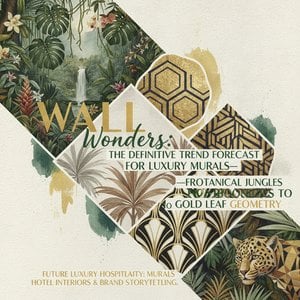
Elevate your hospitality projects with our expert trend forecast on luxury murals. From biophilic botanical jungles to opulent gold leaf geometry, discover how bespoke large-scale wall art and custom frescoes can transform hotel interiors into unforgettable architectural statements.

Discover the profound beauty of folk art through a cultural lens. Explore how naive masterpieces and vibrant global traditions preserve heritage, offering timeless inspiration for collectors and art enthusiasts seeking authenticity and soul in every brushstroke.

 Peržiūrėti realybėje
 Pasidalinti
 Dalintis
 Išsamiau

 Atsisiųsti
 Panašūs eksponatai
 Rentgeno nuotrauka
 Automatinė diorama


 Skaityti daugiau







 Stiklo variantas prieinamas tik pasirinkus dydį iki 110 cm


