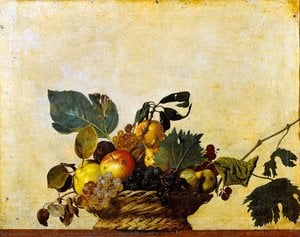
A Masterpiece of Baroque Introspection
This captivating portrait, attributed to the hand of Michelangelo Merisi da Caravaggio, offers a compelling glimpse into the world of 17th-century Italian nobility and the burgeoning Baroque style. The artwork presents a half-length depiction of a young man, radiating an air of quiet contemplation amidst a backdrop of dramatic chiaroscuro – a technique Caravaggio masterfully pioneered.
The Essence of Baroque Portraiture
Executed with remarkable skill, this painting embodies the key characteristics of Baroque portraiture. Departing from the idealized forms of earlier Renaissance works, Caravaggio favored realism and emotional intensity. The subject is not presented as an unattainable ideal but as a tangible human being, imbued with personality and inner life. His direct gaze engages the viewer, creating an intimate connection that transcends time. The composition, anchored by strong triangular forms in the figure’s pose and drapery, provides both stability and dynamic visual interest.
Technique and Artistic Innovation
Caravaggio's signature technique – tenebrism – is powerfully employed here. A stark contrast between light and shadow sculpts the form of the subject, emphasizing his features and lending a theatrical quality to the scene. The artist’s masterful handling of oil paint allows for incredibly nuanced skin tones and textures; one can almost feel the velvet richness of the jacket and the delicate plumes adorning the hat. This meticulous attention to detail, combined with a direct painting style (working *alla prima* without extensive underdrawing), was revolutionary for its time.
Historical Context & Symbolism
Created during a period of religious and political upheaval, this portrait reflects the Baroque era’s fascination with drama, emotion, and realism. The subject's attire – a richly colored jacket, white shirt, and golden bracelet – suggests status and wealth. The hat with plumes may signify military affiliation or social standing. However, beyond these outward symbols, there is an underlying sense of melancholy in his expression, hinting at the complexities of life within this era. It’s a portrait that speaks to both privilege and vulnerability.
Emotional Resonance & Interior Appeal
This artwork evokes a profound emotional response – a blend of admiration, curiosity, and perhaps even empathy for the subject. The painting's subdued color palette of browns, reds, golds, and creams lends itself beautifully to a variety of interior settings, from traditional libraries to contemporary living spaces. A reproduction of this masterpiece would serve as a striking focal point, adding depth, sophistication, and a touch of historical grandeur to any room. It’s more than just a painting; it's a window into the soul, rendered with unparalleled artistry and emotional power.
问答 (or more naturally for a website heading): Klausimai ir atsakymai
Ar galiu užsisakyti „untitled (8730)“ aliejinį reprodukciją?
Ranko darbo „untitled (8730)“, autorius – Karavadžas reprodukciją galite užsakyti tiesiogiai ši ši puslapį: rankomis dažyta aliejų reprodukcija ant lininio drobos, gaminama pagal užsakymą.
Kaip galiu įsigyti „untitled (8730)“, autorius – Karavadžas spausdinį?
Norėdami užsisakyti „untitled (8730)“, autorius – Karavadžas spausdinį, tiesiog jį užsisakykite ši ši puslapį: aukščiausios kokybės spausdinys ant medžio siuvinėjamų audinių arba archyvinio kanvas tipo popieriaus.
Ar galiu peržiūrėti „untitled (8730)“, autorius – Karavadžas prieš užsakant?
Prežiūrėti „untitled (8730)“, autorius – Karavadžas galima puslapio Peržiūra kūrinio peržiūros puslapyje.
Ar „untitled (8730)“, autorius – Karavadžas yra paveikslas, piešinys ar grafika?
Darbą „untitled (8730)“, autorius – Karavadžas klasifikuojame kaip Sieninis menas. Ši kategorija aprašo originalo kūrinio tipą.
Kokią vietą meno istorijoje užima „untitled (8730)“, autorius – Karavadžas?
„untitled (8730)“, autorius – Karavadžas priklauso Baroque stiliui, Ankstyvasis modernusis laikotarpis laikotarpiui. Kartu jie suteikia šiam kūriniui vietą meno istorijoje.
Kokia yra „untitled (8730)“, autorius – Karavadžas dominuojanti spalva?
„untitled (8730)“ linksta į Gintarinė nuo šaframo atspalvį.
Kas yra „untitled (8730)“ kūrybos autorius?
„untitled (8730)“ priskiriamas Karavadžas.



 Peržiūrėti realaus dydžio版
 Pirkti rankomis tapytą reprodukciją
 Siųsti
 Dalintis
 Išsamiau
 Vadovas

 Atsisiųsti
 Panašūs eksponatai
 Rentgeno spindulių nuotrauka
 Diaporama
 Statistika

 Rodyti daugiau






































 Stiklo variantas prieinamas tik pasirinkus dydį iki 110 cm