Autoriaus biografija
Apšviesos ir šešėlio sukurtas gyvenimas
Michelangelo Merisi da Caravaggio, vardas sinonimiškas dramatiškai baroko tapybos intensyvumui, gimė 1571 metais Milane, laikotarčiu, kupinu tiek meninio klestėjimo, tiek visuomenės sukrėtimų. Jo ankstyvieji metai buvo pažymėti nuostoliu; maras pražudino jo gimtąjį miestelį, nusinešdamas tėvo ir senelio gyvybes, kai jam buvo vos šeši metai. Apsuptas santykinės vargos, jaunas Mikelandželas įgijo gilų žmogiškų kančių ir atsigavimo supratimą – temas, kurios vėliau dominuotų jo drobėse. Jis pradėjo savo meninį mokymąsi Milane pas Simone Peterzano, buvusį Titiano mokinį, perimdamos renesanso technikos pagrindus, tačiau jau numatantysis maištingą dūšelę, kuri netrukus sugrius įprastoms normoms. Šis apmokymas suteikė solidų pamatą, tačiau būtent Romoje, atvykęs apie 1592 metus, Caravaggio iš tiesų rado savo balsą, nors ir ne be pradinių sunkumų ir vargų. Miestas, kupinas meno mecenatizmo ir religinio delsimo, pasirodė tiek patrauklus, tiek nepatauslus ambicingam jaunam dailininkui.
Revoliucionizuojant viziją: Technika ir stilius
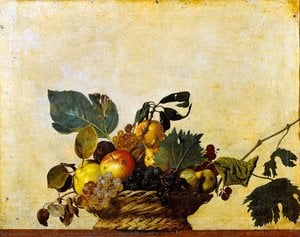
Caravaggio atėjimas į Romą paskelbė apie didelę pokyčius italų meno kraštovaizdyje. Jis atmetė vyraujantį manieristinio stiliaus – pasižymintį dirbtine elegancija ir pailgėmis formomis – naudai neprilygstamo realizmo, kuris šokiravo ir sužavėjo publiką. Jo svarbiausias naujumas buvo jo meistriškas chiaroscuro naudojimas, dramatiškas šviesos ir tamsos kontrastas, kurį jis pakėlė į naują ekspresyvių galių lygį. Ši technika, dažnai vadinama tenebrizmu, nebuvo tik estetinio pasirinkimo; tai buvo priemonė sustiprinti emocinį poveikį, patraukti žiūrovus į scenos širdį ir suteikti jo figūroms juntamą buvimą. Jis atsisakė idealizuotų vaizdų, vietoj to savo paveiksluose apželdindamas paprastus žmones – dažnai paimtus iš Romos gatvių – kaip religinių figūrų modelius. Šis radikalus požiūris suvaldė tradicinius grožio ir šventumo supratimą, padarydamas sakralumą artimą ir giliai žmogišką. Jo kompozicijos dažnai būdavo griežtos ir tiesioginės, sutelkiant dėmesį į svarbius dramos momentus, ar tai brutalus realizmas „Kristaus paimtis“ arba tyli apmąstymo „Šv. Pranciškaus iš Asizės ekstazėje“.
Pagrindiniai darbai ir ilgalaikis poveikis
Per savo santykinai trumpą karjerą Caravaggio sukūrė darbų rinkinį, kuris iki šiol sužadina publikos susidomėjimą. Ankstyvieji kūriniai, tokie kaip „Pranešėlė“ (1594 m.), parodo jo buržuazinį talentą užfiksuoti tikslius duomenis ir psichologinius niuansus. „Emmaus pasimelsis“ (1601–1602), esantis Londono nacionalinėje galerijoje, puikiai iliustruoja jo chiaroscuro meistriškumą ir gebėjimą perteikti gilias emocines reikšmes biblinių pasakojimų viduje. „Davidas su Golijato galva“ (apie 1610 m.) ypač bauginantis, dažnai interpretuojamas kaip savęs portretas, atspindintis Caravaggio pačių sutrikusios būsenos. Jo įtaka išsiplėtė toli už Italijos ribų, įkvėpusi daugybę menininkų, žinomų kaip Caravaggisti arba „šešėliai“, kurie visoje Europoje priėmė jo stilių. Tarp reikšmingų pasekėjų buvo Peteris Paulius Rubensas, Jusepe de Ribera ir Gerrit van Honthorst, kiekvienas iš jų adaptuodamas Caravaggio techniką savo unikaliam meniniam vizijai.
Sudėtingas egzistavimas ir ilgalaikis palikimas
Caravaggio gyvenimas buvo toks dramatiškas ir nereguliarus kaip ir jo meno kūriniai. Volatinis temperamentas ir muštynių polinkis nuolat įviliodavo jį į bėdą su įstatymu, kuriuos vainikavo 1606 m. nužudymo kaltinimas, privertęs pabėgti iš Romos. Kitus ketverius metus jis praleido keliaudamas po Neapolį, Maltą ir Siciliją, tęsdamas tapybą, tuo pačiu desperingai ieškodamas popiežiaus atleidimo. Nepaisant jo pastangų, jis liko už įstatymo ribų, persekiojamas savo praeities ir apimtas asmeninių konfliktų. Jis mirė Porto Erkolėje, Italijoje, 1610 m., paslaptingomis aplinkybėmis – mirties priežastis tebėra ginčijamas, egzistuoja teorijos nuo karščiavimo iki apsinuodijimo švinu. Nors jo gyvenimas buvo trumpas, Caravaggio meno palikimas išlieka kaip liudijimas jo revoliucinio vizionavimo ir neprilygstamos atsidavimo realizmui. Jis suvaldė savo laikų konvencijas, pavedė kelią modernesniam tapybos požiūriui ir paliko neištrinamo įspūdžio Vakarų meno istorijos eigoje. Jo darbai iki šiol įkvepia nuostabą ir skatina apmąstymus, primindami mums apie meno galią apšviesti tamsiausius žmogaus patirties kampelius.



 Peržiūrėti realaus dydžio版
 Pirkti rankomis tapytą reprodukciją
 Siųsti
 Dalintis
 Išsamiau
 Vadovas

 Atsisiųsti
 Panašūs eksponatai
 Rentgeno spindulių nuotrauka
 Diaporama
 Statistika
 Rodyti daugiau






































 Stiklo variantas prieinamas tik pasirinkus dydį iki 110 cm