Šviesos ir Gyvenimo Atvaizdas: Kamilio Pisaro Pasaulis
Kamilis Pisaro, vardas sinonimiškas impresionizmo gimimui ir jo evoliucijai, buvo menininkas, kurio gyvenimas atspindėjo nuolat besikeičiančius peizažus, kuriuos jis tokia uole užfiksavo ant drobės. Gimė Jakobas Abrahomas Kamilis Pisaro 1830 metų liepos 10 dieną Šarlotė Amalijoje, Sent Tomo saloje – tuometinėje Danijos Vakarų Indijos teritorijoje, dabar JAV Mergelių salos – jo kilmės buvo tokios pat įvairialypės ir ryškios, kaip scenos, kurios vėliau apibrėžė jo meninę viziją. Jo tėvas, portugalų žydas prekiautojas su prancūziškomis giminės šaknimis, o motina – iš prancūzų-žydų šeimos saloje, įskiepijo jam unikalų kultūrinį palikimą. Ši vaikystė, kiek neįprasta dėl šeimyninių sudėtingumų, skatino ankstyvąjį pasaulio suvokimą – kokybę, kuri taps pagrindiniu jo meninės praktikos akmeniu. Jo pradiniai formalūs mokymai Savario akademijoje netoliese Paryžiaus suteikė tradicinių technikų pagrindą, tačiau tik grįžęs į Sent Tomą ir vėlesnis darbas kaip krovinių muitininkas iš tiesų uždegė jo aistrą stebėjimuisi. Upiantis uostas, gyvybingas vietos gyvenimas ir Karibų salyno žavi gamta tapo jo pirmomis temomis, formavusios akį, kuri buvo imlus kasdienio buities niuansams.
Nuo Realizmo iki Revoliucijos: Meninis Ugdymasis
Pisaro meninis kelias buvo nuolatinio tyrinėjimo ir tobulinimo procesas. Po laikotarpio, kai jis padėjo danų tapytojui Anton Melbye Paryžiuje, jis panėrė į Gustave Courbet, Jean-Baptiste-Camille Corot ir Honoré Daumier darbą – menininkus, kurie propagavo realizmą ir socialinę kritiką. Jis pirmiausia siekė pripažinimo užmegdęs ryšius su įkurtaisiais meno pasaulio sluoksniais, eksponuodamas Paryžiaus Salone, tačiau netrukus pajuto, kad jo ribos yra ribojančios. Esminis momentas atėjo su *plein air* tapybos priėmimu – dirbant tiesiogiai iš gamtos lauke – praktika, kurią skatino Corot ir kuri taps centrine impresionizmo dalimi. Šis poslinkis nebuvo tik technologinis; tai reiškė filosofinį pokytį, norimą užfiksuoti šviesos ir atmosferos praskrendančius efektus, scenos esmę, o ne jos tikslų atvaizdą. Jis pradėjo eksperimentuoti su laisvesniais teptukų judesiais ir ryškesnėmis paletėmis, atsisakydamas akademinių konvencijų link labiau subjektyvaus ir ekspresyvaus stiliaus. Jo ankstyvieji peizažai, nors vis dar remiasi realizmu, numatė revoliucinį kelią, kuriuo jis ruošės žengti. Šis laikotarpis parodė jam kovojant su savo balso paieškos procesais tarp Paryžiaus besisklandančio meno fermento, miesto, kuris patyrė greitas transformacijas ir suteikė begalę įkvėpimo šaltinių.
Impresionizmo Tėvo Figūra
Kamilis Pisaro nebuvo tik *vienas* impresionistas; galima sakyti, kad jis buvo labiausiai stabilus ir suvienijantis jėga. Unikalus faktas yra tai, kad jis eksponavo visose aštuoniose Paryžiaus impresionistų parodose tarp 1874 m. ir 1886 m., veikdamas stabilizuojančia jėga grupėje, kurią dažnai pasižymėjo vidiniais nesutarimais ir individualiomis ambicijomis. Jis nebuvo tik dalyvis – jis aktyviai skatino savo kolegų menininkus, suteikdavo paramą, patarimus ir reikalingą bendruomenės jausmą. Dėl to jam buvo duotas meilužis pravardė „tėvo figūra“. Jo atsisakymas pripažinti kritikos neigiamumą ir visuomenės abejingumą buvo nepajudinas. Jis tikėjo kolektyvaus veiksmo galia ir propagavo menininkų nepriklausomą ekspoziciją nuo Salono ribojančių taisyklių. Be savo darbų, Pisaro įtaka išsiplėtė ir į jaunesnę menininkų kartą, įskaitant Paul Cézanne, Vincent van Gogh ir Paul Gauguin, kuriems jis buvo mentorius ir giliai paveikė. Jis suteikė jiems ne tik techninius patarimus, bet ir filosofinę priemonę jų meninių tyrimų atžvilgiu. Jo noras eksperimentuoti trumpam nuvedė jį į Neo-Impresionizmą, įkvėptas Georges Seurat ir Paul Signac taškų technikomis, prieš galutinai grįždamas prie asmeniškesnio stiliaus, kuriame susijungia jo ankstyvesnės įtakos su naujais atradimais.
Gyvenimo Peizažai: Temos ir Palikimas
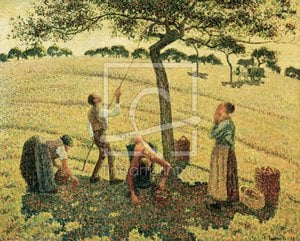
Pisaro kūrybos apimtis buvo nepaprastai įvairi, tačiau nuolat sutelkiama į jį supantį pasaulį. Jis yra gerbiamas už savo kaimo ir miesto peizažų atvaizdus, dažnai vaizduodamas kasdienio gyvenimo scenas – laukuose dirbančius valstiečius, judrius Paryžiaus gatves, ramus kaimo aikštes. Jo paveikslai nebuvo tik gražūs vaizdai; tai buvo socialinės komentarų, atspindinčių jo gilią empatiją darbininkų klasės atžvilgiu ir įsipareigojimą pavaizduoti jų gyvenimus su orumu ir pagarba.
- Peizažai: Gerbiamas už gebėjimą užfiksuoti tiek kaimo, tiek miesto gyvenimo grožį.
- Paryžiaus Gyvenimo Scenos: Ryškūs greitai besikeičiančio didmiesčio vaizdai.
- Valstiečių Gyvenimas: Atspindi jo socialinį sąmoningumą ir empatiją darbininkų klasės atžvilgiu.
Jo vėlesni darbai, ypač tie, kurie sukūriami politinio neramumo ar asmeninių sunkumų laikotarpiu, dažnai neša melancholijos ir socialinės kritikos jausmą. Pisaro palikimas išsiskiria toli gražu ne tik jo gražiais paveikslais. Jis buvo meninės laisvės šalininkas, kartoms menininkų mentorius ir moderniosios dailės kūrėjas. Jo atsisakymas *plein air* tapybos revoliucionizavo peizažo dailę, o jo noras eksperimentuoti su skirtingais stiliais parodė jo intelektinį smalsumą ir nepajudinamą įsipareigojimą savo amato meistriškumui. Šiais laikais jo darbai yra saugomi didžiausiuose muziejuose visame pasaulyje, toliau įkvepiantys ir žavūs publikos dėl jų sąžiningumo, grožio ir gilaus žmogiškojo pobūdžio. Jis išlieka šventinama figūra, kurio indėlis tęsiasi būti studijuojamas ir vertinamas dėl jo ilgalaikės aktualumo.
Kamilio Pisaro menas yra ne tik pasaulio įrašas, kokia jis buvo; tai stebėjimo, empatijos ir meninės naujovės galios liudijimas.



 Peržiūrėti realybėje
 Perejti prie spausdinimo
 Pasidalinti
 Dalintis
 Išsamiau

 Atsisiųsti
 Panašūs eksponatai
 Rentgeno nuotrauka
 Automatinė diorama
 Statistika

 Skaityti daugiau






































 Stiklo variantas prieinamas tik pasirinkus dydį iki 110 cm